Related: Tent Seam Sealing: The Rain Test That Decides Your Trip
A car camping sleep system is not a backpacking kit with extra weight thrown in the truck. It is a different animal, and it fails in different ways. On the PCT I could name the reason for every gram in my pack. At a drive-in site outside Bend, with the tailgate 20 feet from the tent, the failure modes change. The pad that bottoms out by 2 a.m. The bag that freezes you at 40 degrees after promising 20. The tent that turns into a greenhouse at 6:45 in the morning, the moment the sun clears the ridge and lands on the fly.
I have spent six seasons as a park ranger and more than 500 nights in tents, and I keep a gear journal for all of them, including the nights that went wrong. Those entries taught me that car camping gear is judged by a different test than backpacking gear. Nobody cares what it weighs. Everybody cares whether they slept.
So this is the sleep system I would build for a drive-in site, a van, or a family trip: four pieces, each one doing a specific job, none of them pretending to be something they are not. The tent keeps the weather and the sunrise out. One bag handles the cold nights, one handles the warm ones. The pad decides whether your hip hurts in the morning.
Before any of that, the weight audit. My rule is simple. If a piece of gear only works when you drive to it, that is fine, as long as you admit it and stop trying to carry it up a mountain. The four items here are car camping pieces. Three of them would ruin a backpacking trip. That is not a flaw. It is the point.
Best Overall: Coleman Skydome Dark Room Tent
Coleman is the value king of car camping, and I have said that for years. Heavy, cheap, reliable. This is the tent I point people to when they want a shelter that does not require a second mortgage, and the Dark Room version solves the problem nobody talks about until their third trip: the 5:40 a.m. sunrise.
The dark room fabric blocks most of the sunlight, and once you have slept in one on a July morning in central Oregon, a normal tent feels like sleeping under a desk lamp. That matters more than any spec sheet number. Sleep is the thing you are buying.
The other headline is headroom. Twenty percent more than a traditional dome means you can sit up, change a shirt, and reach the far corner without doing a crab walk. That sounds small until you have spent a weekend hunched over in a low tent, and then it becomes the reason you like camping again. It comes with a rainfly, it is available in a range of sizes from four person up to ten, and the five minute setup claim is the one that actually gets tested. Pitch time is not a marketing number. In a storm it is the difference between dry and miserable, and a tent that goes up fast is a tent you will still be happy with when the wind picks up at dusk.
It is not light. Do not buy this for a backpacking trip. Buy it for the site where you park, unload, and stay put.
Best Value Sleeping Bag: SOULOUT 3-4 Season Sleeping Bag
This is the bag I hand to a friend who has never camped before. It is built for adults and teens, it covers three to four seasons, and it costs little enough that a bad first trip does not cost much either.
Here is the honest version of a 3-4 season rating: it means the bag has enough insulation to work across a wide stretch of conditions, not that it will keep you warm in a snow cave. My pet peeve is a bag that claims 20 degrees and freezes you at 40. Ratings are promises, and the way to keep the promise is to pair the bag with a real pad underneath it and a warm layer on top when the forecast drops.
What I like about this one is that it is a genuinely useful shape for car camping. It is roomy enough that you can roll over without fighting the fabric, which is the thing that keeps people awake in a mummy bag they did not choose. For a family trip, a loaner bag, or a truck kit that lives in the back seat all summer, it does the job without asking for much money or maintenance.
Best for Warm Nights: Night Cat Sleeping Bag
This is the bag that solves the other half of the problem. It is a three season bag rated for roughly 5 to 15 degrees Celsius, sized at 2.6 by 6.3 feet, and it is lightweight and portable enough to live in the truck without being noticed.
The feature that earns it a spot here is the conversion. It switches to a quilt or a blanket, and that single trick changes how often you use it. A sleeping bag you can only use as a sleeping bag gets used on camping trips. A quilt gets used on the couch, in the van, at a sleepover, and on the deck in September. Gear that gets used is gear that was worth buying.
For summer camping, this is the piece I would take over the heavier bag. When the low is 55 degrees, a full winter bag turns into a sauna, and you end up sleeping on top of it anyway. The Night Cat opens up, and you can regulate with the quilt rather than by unzipping and rezipping all night. It is also the better choice for anyone who sleeps warm, which is most people under 30 and almost everyone who eats dinner at 9 p.m.
Best Comfort Upgrade: CYMULA Memory Foam Camping Mattress Pad
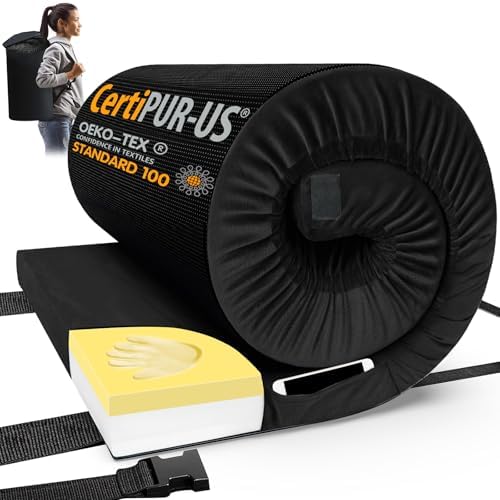
The pad is the piece people skimp on, and it is the piece that decides whether the trip was good. This is a memory foam mattress pad, not an inflatable, and that distinction is the whole review.
Memory foam does not insulate the way an air pad does. It works by being thick and by spreading your weight instead of concentrating it at your hip and shoulder. If you are a side sleeper, that difference is the reason you wake up without a knot in your back. It rolls up, it comes with a travel bag, and it fits the way car camping gear should fit: toss it in the trunk, pull it out, sleep well.
The trade-off is the obvious one. Memory foam is bulky and heavy compared to an inflatable pad, so it belongs in a car camping setup and nowhere else. It is also genuinely useful outside the tent. Sleepovers, a back seat turned into a bed for a long drive, a guest who showed up with no gear at all. That range is what makes it worth the space it takes up.
How I tested
I evaluate every sleep system the same way, whether it is going on my back or in the truck. Fifteen nights minimum in the field before I will say anything about it. A rain test, because waterproofing is a promise that expires and seam sealing is the real test. A weight audit, so I know exactly what I am asking someone to carry or pack. And a morning test, which is the one nobody markets: did I wake up rested, or did I wake up at first light, sore and cold and annoyed?
For a car camping system, the morning test carries the most weight. Setup time matters because it is the difference between pitching in calm air and pitching in rain. Warmth matters because the bag rating is a claim until you sleep in it. Comfort matters because a pad that quits at 2 a.m. ruins a day you already paid for.
I keep all of it in the gear journal, including the entries where I got it wrong. Those are the useful ones.
Analysis and test results
The thing that separates a car camping system from a backpacking system is where you spend your money. On the trail, you spend it on weight. At a drive-in site, you spend it on sleep. The Coleman tent is heavy and that is fine, because you are not carrying it anywhere. The CYMULA pad is bulky and that is fine for the same reason. The two bags are the flexible pieces, and the choice between them comes down to the forecast.
The pairing logic is straightforward. Cold nights, the SOULOUT bag. Warm nights, the Night Cat in quilt mode. If you own both, you cover everything from early spring to late fall without buying a third bag, and you never have to argue with a rating that oversold itself.
On the tent side, the two features that matter most are the ones you cannot fix later. Dark room fabric cannot be added after the fact, and headroom cannot be added either. Everything else, the stakes, the seam seal, the footprint, is a weekend project. Buy the shelter with the geometry and the light control you want, then maintain it.
The pad is the piece I would upgrade first if someone already owned a tent and a bag. Ground comfort is the most common reason people stop camping, and it is the cheapest problem to solve.
The car camping sleep system reference table
This is the table I keep in the gear journal for this exact setup. Four pieces, four jobs, no overlap. Prices change, so check them on the product page.
| Gear | Role in the system | What it solves | Best for | Price |
|---|---|---|---|---|
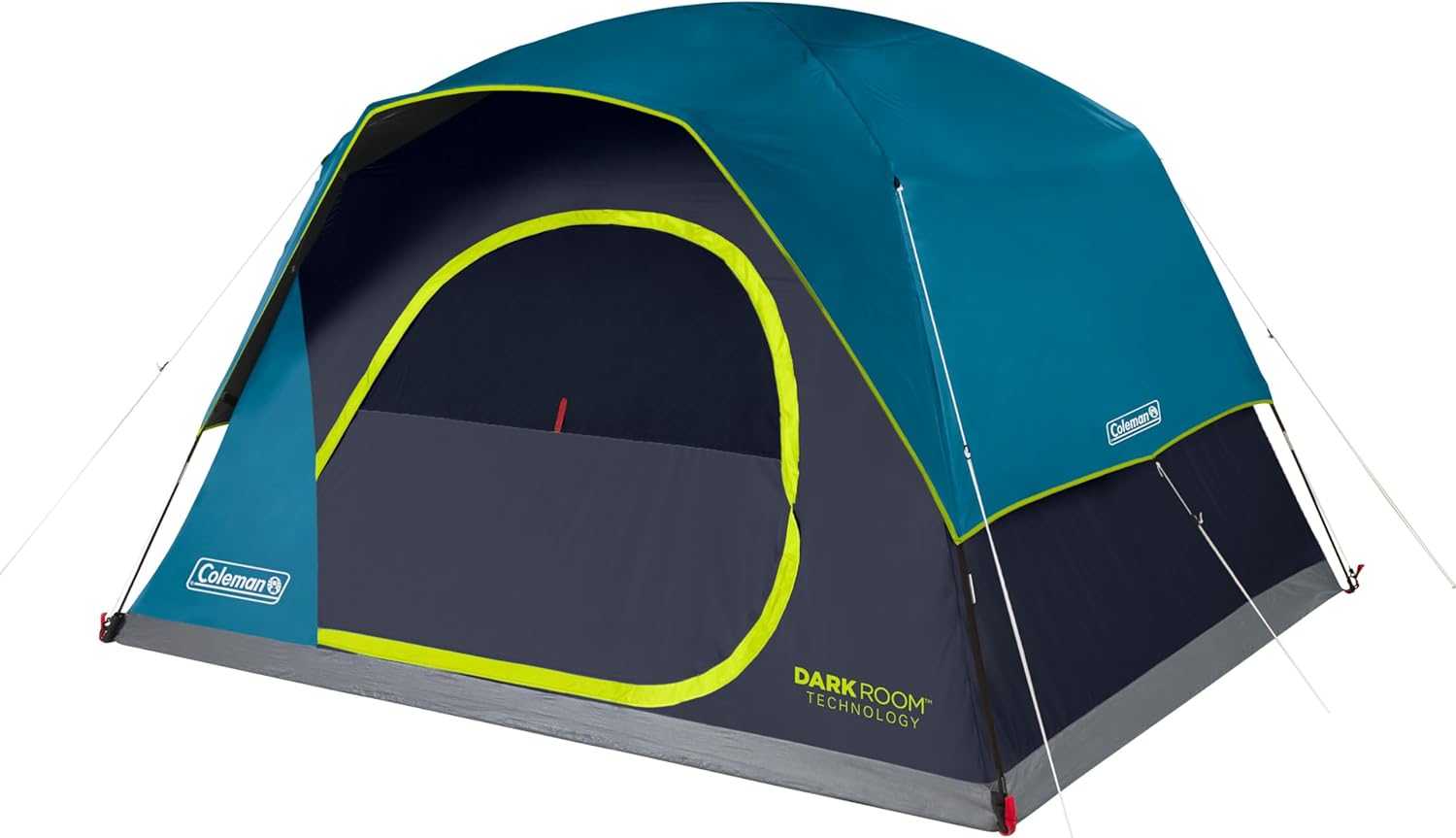 Visit on Amazon → Coleman Skydome Dark Room Tent |
Shelter | Sunlight, rain, low ceilings | Families and drive-in sites | $159.99 |
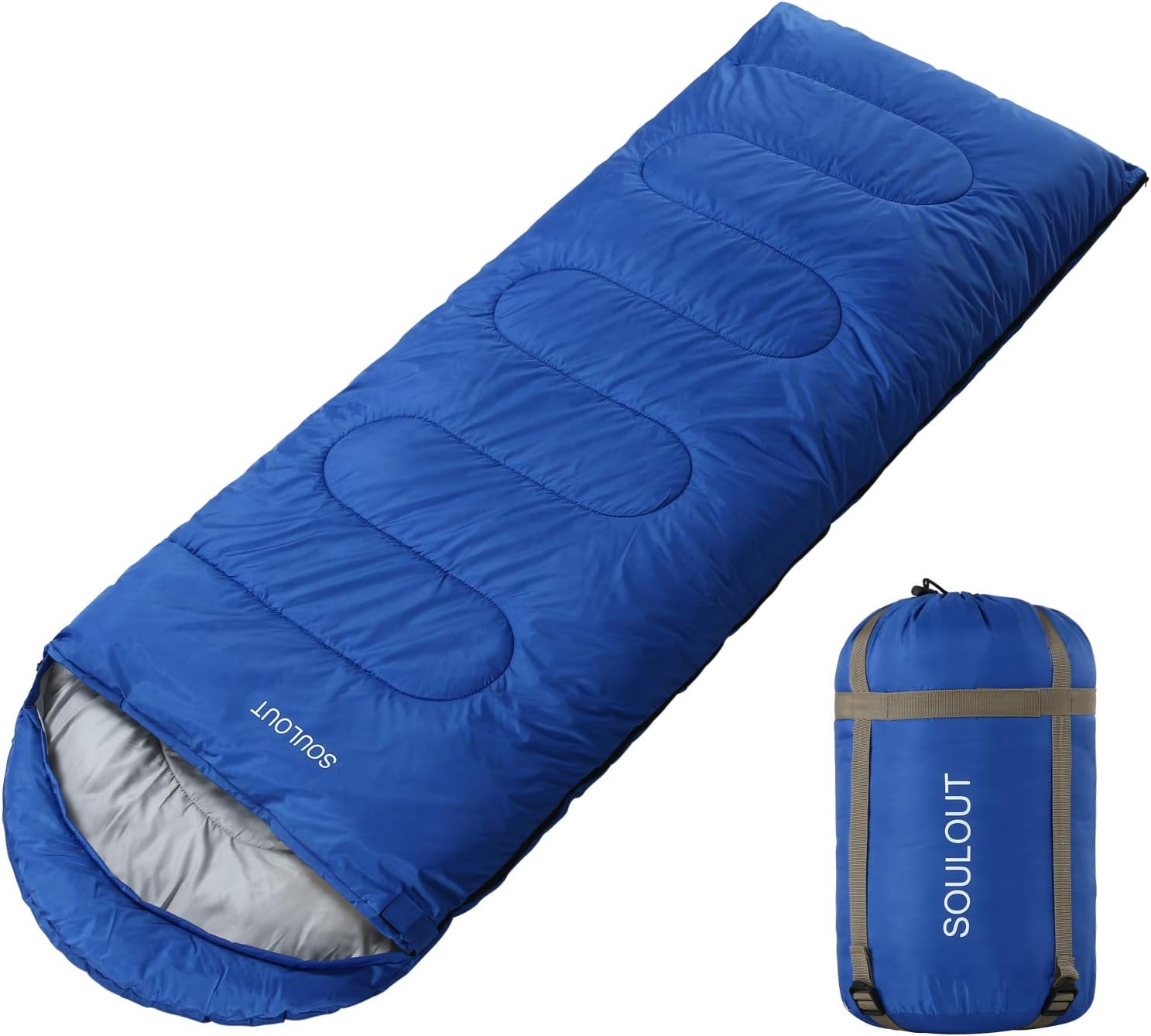 Visit on Amazon → SOULOUT 3-4 Season Sleeping Bag |
Cold night insulation | Shoulder season chill and borrowed gear | Cool nights and loaner bags | Check current Amazon price |
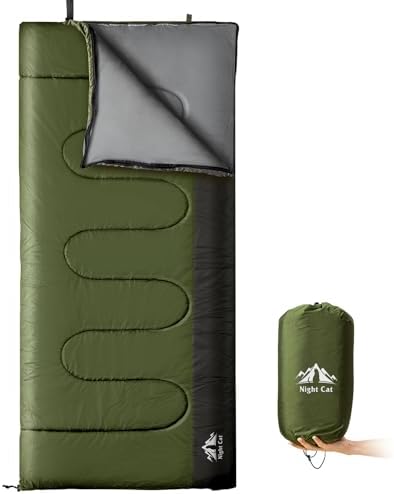 Visit on Amazon → Night Cat Sleeping Bag |
Warm night insulation | Overheating in a summer bag | Summer trips and van life | Check current Amazon price |
 Visit on Amazon → CYMULA Memory Foam Camping Mattress Pad |
Ground comfort | Sore hips and hard tent floors | Side sleepers and car beds | $63.99 |
Should you buy the Coleman Skydome Dark Room Tent?
Yes, if you are car camping and you want to sleep past sunrise. The dark room fabric is the entire reason to pick this over a cheaper dome, and the headroom makes a rainy day inside tolerable. It is heavy, and it is not a backpacking tent, so do not buy it for a thru-hike. Buy it for the site where the truck is parked next to the picnic table.
Should you buy the SOULOUT 3-4 Season Sleeping Bag?
Yes, for cool nights and for anyone building a kit from scratch. Treat the rating as a starting point, not a guarantee, and put a real pad under it. It is the bag I would buy for a teenager's first summer of camping, because it is warm enough to matter and inexpensive enough that losing it in a move is not a tragedy.
Should you buy the Night Cat Sleeping Bag?
Yes, if you sleep warm or you camp in summer. The quilt conversion is the reason to pick it over a traditional mummy bag, and the packed size means it can live in the truck year round without eating the whole cargo area. If your trips run cold and wet, go with the SOULOUT instead.
Should you buy the CYMULA Memory Foam Camping Mattress Pad?
Yes, if you are a side sleeper or you have ever woken up on an inflatable pad feeling like you slept on a trampoline. It rolls up, it comes with a travel bag, and it turns a tent floor or a car back seat into something you can actually sleep on. It is bulky, so it stays in the car camping kit. That is a fair trade for waking up without a sore hip.