I keep a gear journal. Every night out gets an entry, including the nights that went wrong, and the entries I reread most are the family trips. Six years as a park ranger in Central Oregon taught me that a family camping sleep system fails in predictable ways: the tent that takes twenty minutes to pitch while the kids are already cold, the air mattress that goes flat at 2 a.m., the bag that claims 20 degrees and sleeps like 40, and the one flashlight that died because nobody packed spare batteries. This comparison is the list I would hand a family loading a truck for a weekend at a lake, and it is built on the same three questions I use in the field: will you actually carry it, does it survive weather, and does it still work when everyone is tired.
For most families, the tent is the piece worth the most attention, the insulated sleeping pad is the piece people skip and then regret, and the cheap LED lantern is the upgrade that changes an entire evening for the price of a couple of coffees. Everything else is details, and the details are below.
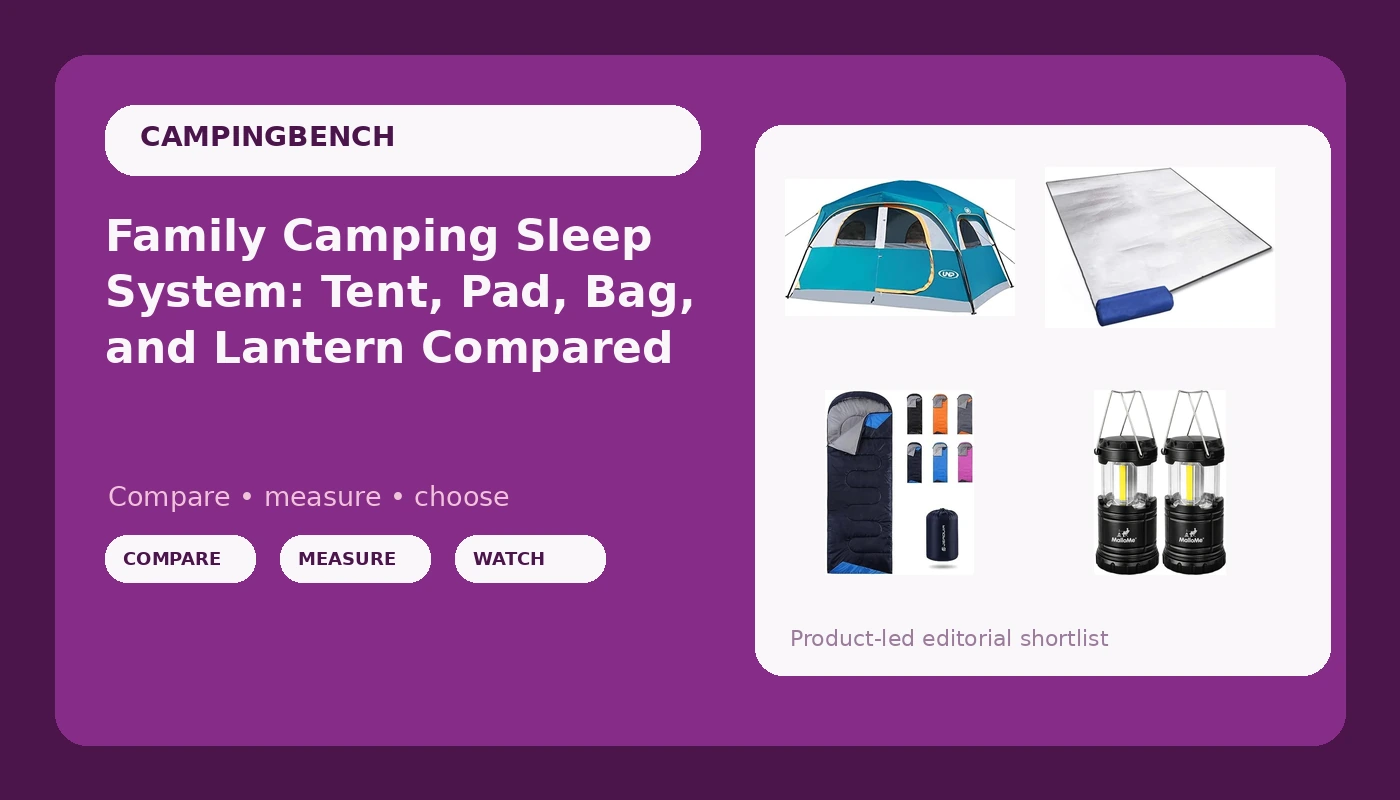
UNP 6 Person Tents for Camping Waterproof Family Cabin Tent with Rainfly
Cabin shape gives standing room and a full rainfly, which is the right geometry for a family basecamp
Heavy and bulky by design, this is truck camping only and never a backpacking tent
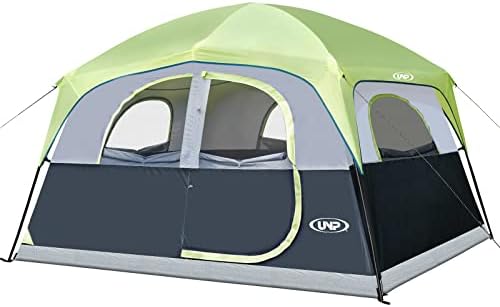
Camping Mat Insulated Sleeping Pad 78.7" x 59" Tent Floor Thermal Blanket
Covers a wide strip of tent floor so the insulation is under everyone, not just one sleeper
Rolls up larger than a backpacking pad and it is not something you carry on your back
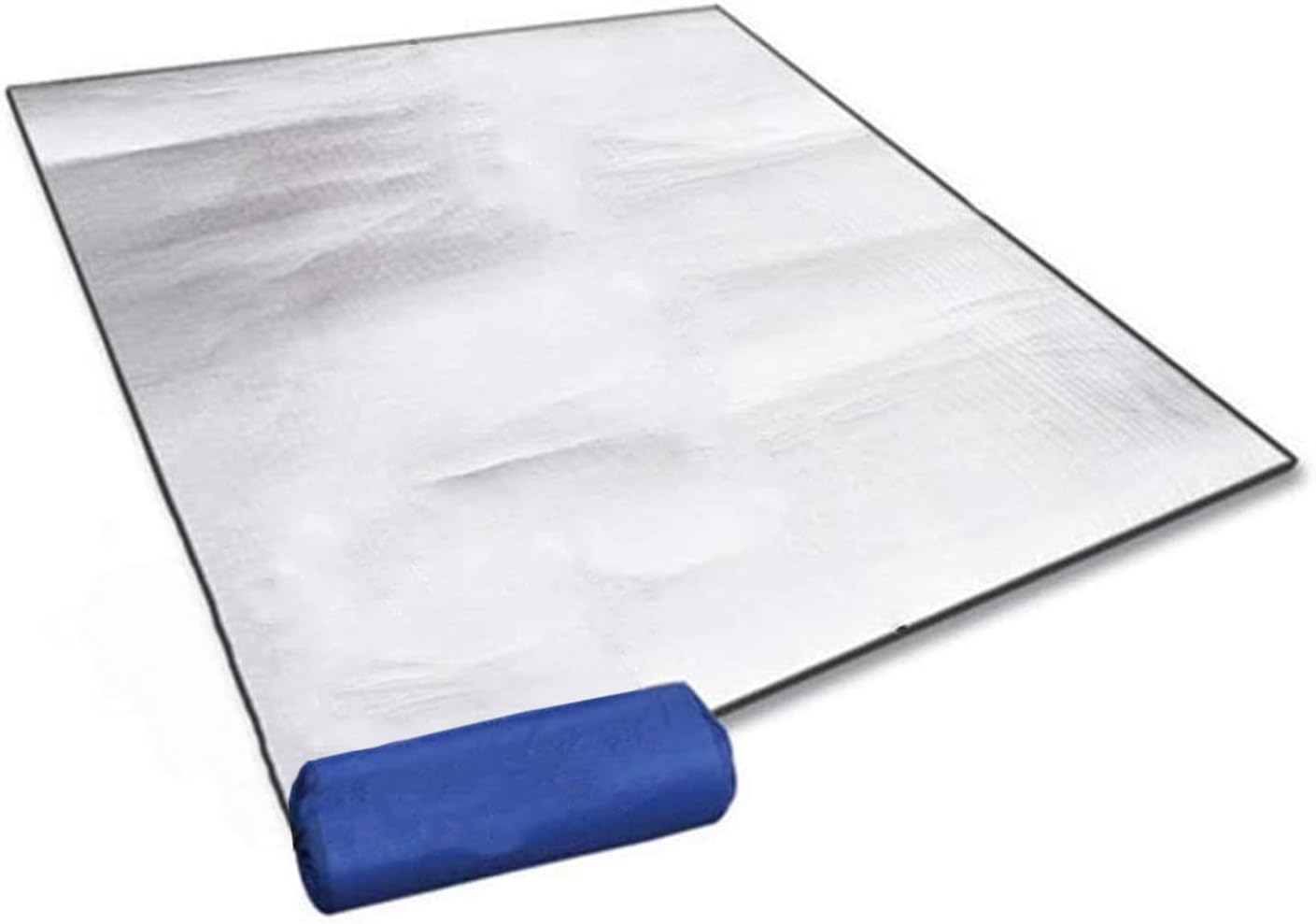
Sleeping Bags for Adults Backpacking Lightweight Waterproof Cold Weather Sleeping Bag with Compression Bags
Light enough that a kid can carry their own, and it compresses into its own sack
Treat the cold weather wording as a starting point, not a temperature rating you can trust on its own
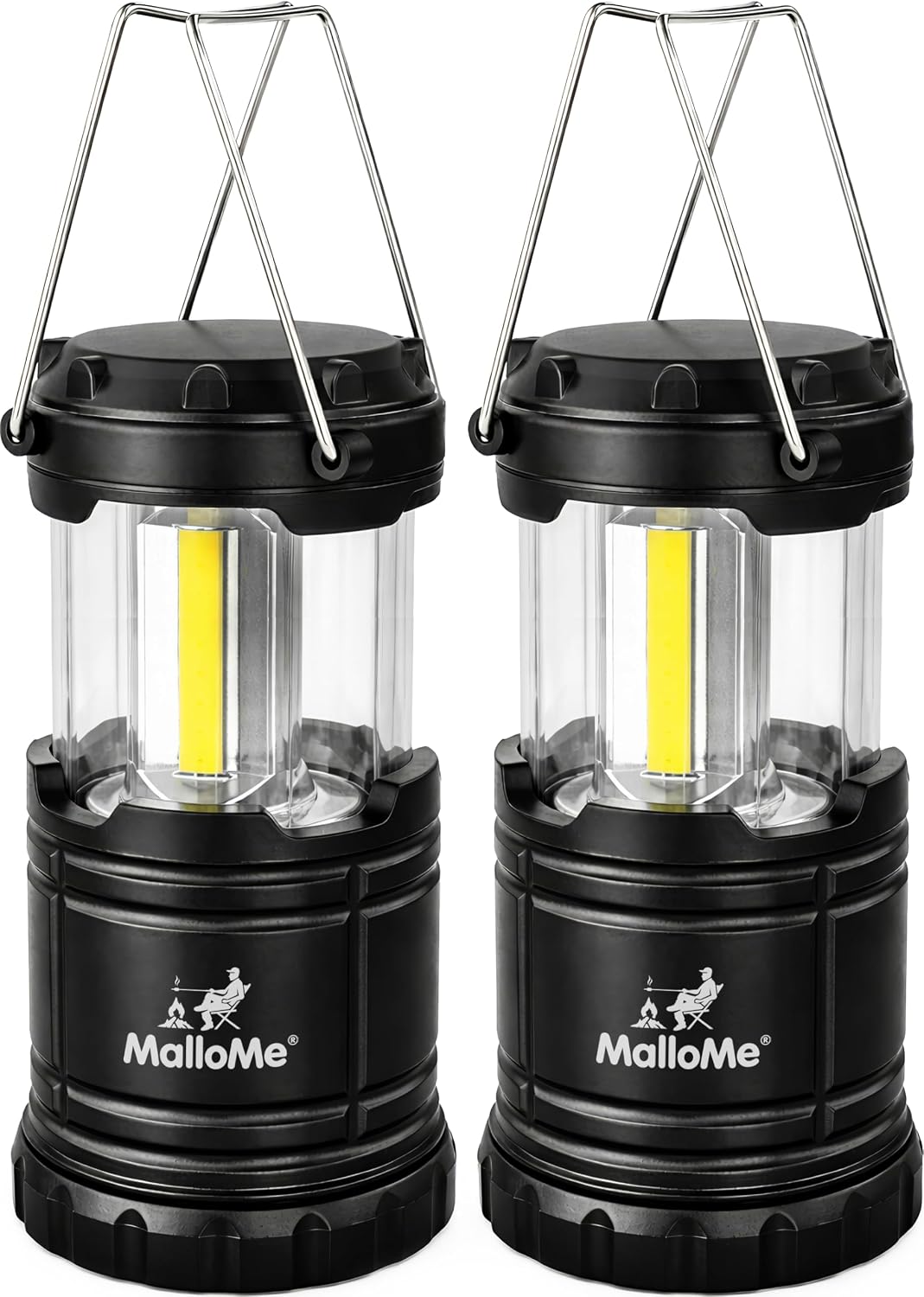
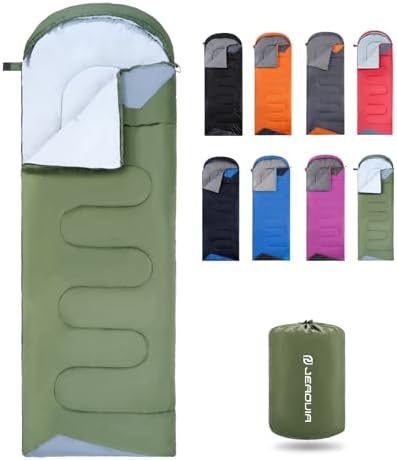
MalloMe Camping Lights LED Lantern Flashlights, Battery Powered Operated Lamp Tent Lanterns
Bright, simple, and it runs on three AAA batteries, which means it doubles as emergency gear at home
Batteries are not included, and AAA runtime at full brightness is short enough that you should pack spares
Prices and availability were captured from Amazon Creators API and may change.
How I judge a family camping sleep system
My rules are simple and they come from too many wet mornings. A tent that takes twenty minutes to pitch is a tent you will sleep in the rain next to. Waterproofing is a promise that expires, so seam sealing is the real test, not the hang tag. And weight is not a number, it is how you feel at mile 12 on day 3, which is exactly why the family math is different: when the truck is fifty feet away, packed volume and pitch time matter more than grams.
The three questions I run every piece through are these. Will you actually carry it, or does it live in the garage? Does it survive a storm, or does it survive a brochure? And does it work on the night everyone is cold, hungry, and short-tempered, which is the only night that counts?
One honest note before the details: I will not invent field results. Where a claim below comes from a manufacturer description rather than my own nights in the dirt, I will say so, and I will tell you what I would check before I trusted it.
The tent: room to stand up, and a rainfly that earns its name
The UNP 6 Person Cabin Tent is the anchor of this list, and the reason is geometry. A cabin tent gives you near-vertical walls, which means standing room, which means changing clothes like a human instead of a contortionist, and it means six sleeping pads fit side by side without a wrestling match. For a family basecamp, that shape beats a low dome every time.
The rainfly is the part I care about. A full fly that covers the roof and extends over the walls is what keeps a night of rain from turning into a wet sleeping bag at the edges. What I would check first, before trusting any tent in a storm, is the seams: factory sealing fails over time, and a tube of seam sealer applied at home is the cheapest insurance in camping. Second, I would check the stake-out points and the guy lines, because a cabin tent is a sail in wind and it needs to be tied down properly.
What it is not: a backpacking tent. A six-person cabin tent is heavy and bulky by nature, and that is a fair trade. You are buying space and standing height, and you are paying for it in packed size and setup effort. If your trip involves a trailhead instead of a parking spot, this is the wrong category of shelter and no amount of enthusiasm changes that.
The pad: the piece everyone skips and then regrets
Here is the thing nobody tells new campers: cold comes up from the ground, not down from the sky. You can own a great sleeping bag and still shiver all night because the ground is stealing heat through a thin layer of nylon. That is what R-value measures. It is the insulation rating of a sleeping pad, and the higher the number, the warmer you sleep. An air mattress with no insulation is a cold balloon, and it will always feel colder than the rating on your bag suggests.
The Camping Mat Insulated Sleeping Pad, at 78.7 inches by 59 inches, is built as a floor layer rather than a single-sleeper pad. That width is the useful part for families: it covers a wide strip of the tent floor, so the insulation sits under more than one person and the kids are not fighting over who got the good spot. Used as a tent floor thermal blanket, it also softens the whole footprint and gives you a place to sit while you wrestle a sleeping bag into shape.
The trade-off is honest and predictable. A pad this size rolls up bigger than a backpacking pad, and it is not something you carry on your back for miles. For a car camping family, that is fine. For a thru-hiker, it is dead weight. Know which trip you are packing for, because the answer changes the gear list entirely.
The bag: read the temperature claim like an adult
The Sleeping Bags for Adults listing describes a lightweight, waterproof, cold weather bag with compression bags included, and it is aimed at a broad range of sleepers, including kids and teens. What I like about it on paper is the lightweight framing: a bag light enough for a kid to carry their own gear is a bag that teaches a kid to carry their own gear, and the included compression sack is one less thing to buy.
What I would verify before a shoulder-season trip is the temperature rating, because "cold weather" is a marketing phrase, not a measurement. Real ratings come in two numbers: a comfort rating, which is the temperature a cold sleeper stays comfortable at, and a lower limit, which is closer to survival than sleep. A bag advertised as 20 degrees that has no standardized rating behind it can feel like 40 degrees at 3 a.m., and that is the single most common complaint I hear from families on their first cold-weather trip. My rule for anyone sleeping outside: buy for the worst night you might get, not the best night you are hoping for, and bring a liner or a second layer for the kids regardless.
Waterproofing on a bag is also worth a skeptical look. A water-resistant shell helps with condensation and a splash, but no bag is a substitute for a tent with a working rainfly and a floor that stays dry. Pair this bag with the insulated pad above and you have addressed both directions heat escapes, which matters far more than the fabric claim on the tag.
The lantern: the cheapest thing that changes the trip
The MalloMe Camping Lights lantern and flashlight is the smallest line item here and the one I would buy first if I were starting from nothing. A battery-powered LED lantern turns a dark campsite into a usable one: cards on the table, a book in the tent, a path to the bathroom at 2 a.m. that does not involve a phone flashlight draining to zero. The listing notes it takes three AAA batteries, and that detail matters twice. First, AAA is the format you can buy at any gas station on the drive out. Second, batteries are not included, so pack spares and pack them where you will actually find them.
The honest limitation is runtime. Small batteries at full brightness do not last long, so the smart move is to run the lantern on a lower setting for ambient light and save full power for the moments you need it. That same logic makes it genuinely useful at home during a power outage, which is a nice thing to own in a region where winter storms take the grid down. Emergency gear that also works on a Tuesday night is gear that does not sit in a bin forgotten.
The trade-offs, stated plainly
Comfort and weight are a trade-off, and the trick is knowing which trip needs which. This entire list is a car camping list. The tent is heavy, the pad is bulky, and that is the point: you are trading pack weight for standing room, floor coverage, and a campsite that works after dark. Nothing here belongs on a multi-day backpacking trip, and if you try to force it there, you will be the person at mile 8 regretting a decision made in a driveway.
The second trade-off is price against priority. If your budget only stretches to one purchase this season, buy the shelter, because a bad night in a bad tent ruins the trip for everyone and no sleeping bag can fix a wet floor. If your budget stretches to two, add the pad, because ground insulation is the most commonly skipped piece of a family sleep system and the one people notice most on a cold morning. The bag and the lantern are refinements you can add over time.
The third trade-off is the one I see most often: the 40-pound full setup that stays in the garage because it takes an hour to pack and an hour to pitch. Gear you do not use is not gear. A slightly smaller, simpler kit that gets used six weekends a year beats a perfect kit that gets used once.
Who each piece is for
- The cabin tent is for the family that drives to the site and wants standing room, separate sleeping zones, and a full rainfly over the roof.
- The insulated pad is for anyone who has ever woken up cold with a bag that was supposed to be warm enough, and for families who need insulation under more than one sleeper.
- The lightweight sleeping bag is for kids and casual campers who need their own bag they can carry, with the caveat that you verify the temperature rating before a cold trip.
- The LED lantern is for everyone, including people who never camp, because it doubles as emergency lighting at home.
What I would buy first
Buy the tent, seal the seams before the first trip, and stake it out properly even when the sky looks friendly. Add the insulated pad before you add anything else, because cold comes from the ground and the ground does not care about your gear list. Then add a bag per sleeper and one lantern per tent, plus spare batteries in a bag you will remember.
None of this is complicated. It is just a set of decisions that are much easier to make in a driveway than at 2 a.m. in the rain, and that is the whole job of a sleep system. Pack for the worst night, not the best one, and you will spend the trip noticing the lake instead of your gear.