I have slept more than 500 nights in a tent, spent six seasons as a park ranger in Central Oregon, and walked the Pacific Crest Trail in 2022. The gear that survived all of it was never the most expensive gear. It was the gear I actually carried, and it was usually cheaper than the stuff that stayed in the garage. This budget camping gear comparison covers the four pieces I hand to friends who ask how to start, and it comes out of a gear journal I have kept since 2019, including the entries for the nights that went wrong.
Related: Two Person Backpacking Tents Compared By Packed Weight
The short answer: the Odoland lantern and fan is the first thing I would buy, because it changes how a trip feels after dark. The tent decides whether you stay dry, the sleeping bag decides whether you sleep, and the cook kit is the one you can put off until you are tired of cold food.
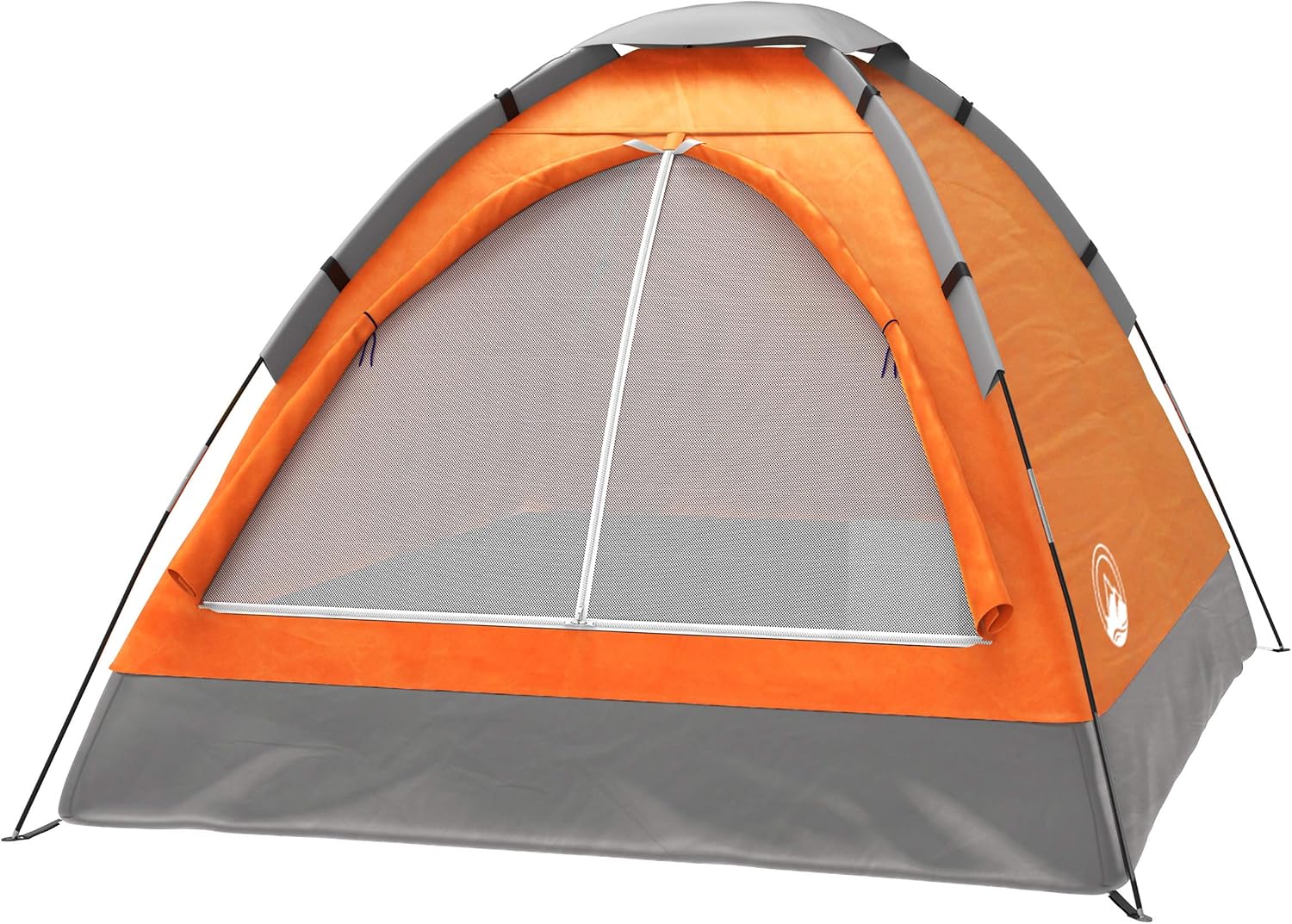
Wakeman Outdoors 2 Person Pop Up Tent with Rain Fly
Fastest pitch of the four, and pitch time is what keeps you dry when the weather turns
Pop up hardware adds packed weight, and the stock stakes are the first thing I would replace
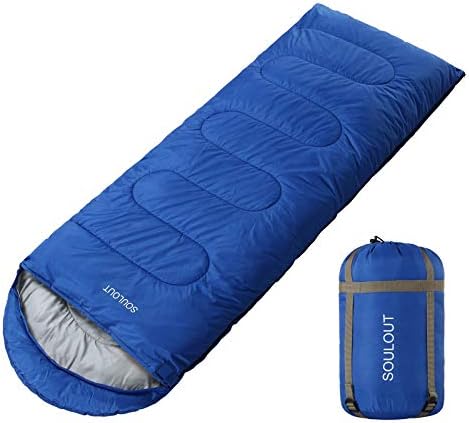
SOULOUT 3-4 Season Sleeping Bag for Adults and Teens
The item that decides whether you sleep or shiver, and a 3-4 season window covers shoulder season nights
Heavy and bulky next to a down bag, so it is a car camping and base camp pick, not a thru hike pick
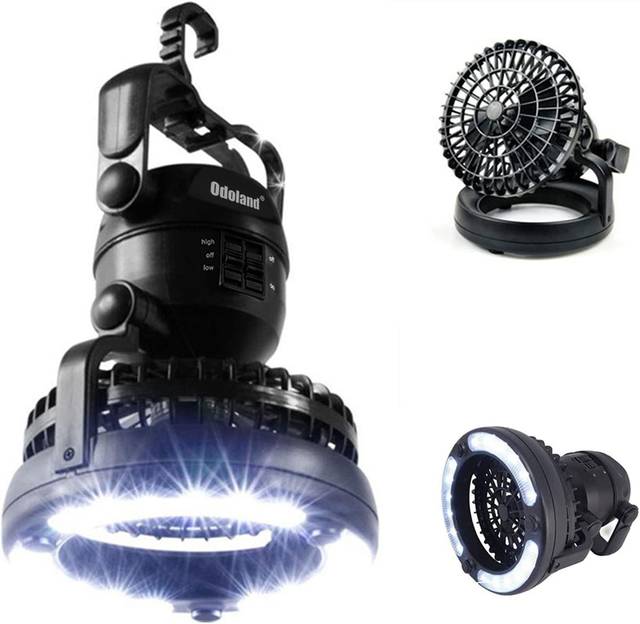
Odoland Portable LED Camping Lantern with Ceiling Fan
Light plus moving air makes a humid tent livable, and it doubles as a home outage kit
Batteries, fan noise, and a plastic build are the compromises you accept
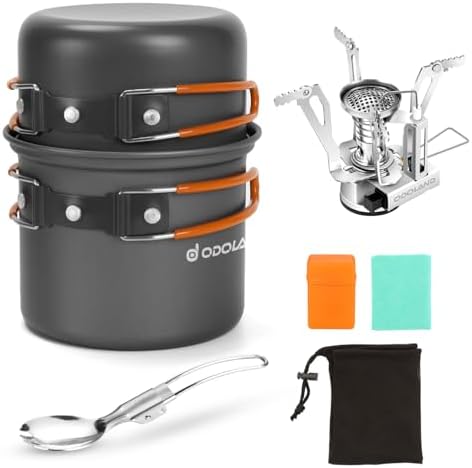
Odoland Camping Cookware Mess Kit, Lightweight Pot Stove Spork Set
Pot, stove, and spork in one small package, which is the cheapest way to stop eating cold food
Pot capacity and stove fuel compatibility are the two things to verify before you buy
Prices and availability were captured from Amazon Creators API and may change.
None of these four items have been through my 30 day field trial, and I am not going to pretend otherwise. What follows is how I would evaluate each one, using criteria that come from gear that has been through the wringer.
How I judge gear I have not lived with yet
Four questions decide everything for me. Will I actually carry it? Does it survive a storm? Does it still work at mile 12 on day 3? Would I trust it on a multi day trip with no resupply?
Most gear fails the first question, and the first question is the one that matters. A heavy item that stays in the garage has a base weight of zero and a usefulness of zero. A cheap item that rides in your pack every weekend beats a premium item that only comes out twice a year. That is the lens I use on everything below.
The tent: pitch time is the whole story
Pitch time is the first thing I check on any shelter, because a tent that takes 20 minutes to set up is a tent you will end up sleeping next to in the rain. The Wakeman Outdoors pop up design is built around that problem. It is a two person tent with a rain fly and a carrying bag, and the appeal is obvious: you shake it out, it opens, and you are inside before the weather turns ugly.
The trade off is weight and pack size. Pop up shelters carry hardware that a pole and sleeve design does not, and that hardware is exactly what makes them fast. For car camping, music festivals, beach days, and a first tent for a kid, that is a good trade. For a long backpacking trip it is the wrong one, and no clever folding trick fixes it. I would file this in the car camping and festival category and stop pretending it belongs in a thru hiker's pack.
Two things I would check before buying. First, the stakes. Cheap stakes bend on the first rocky pitch, and a bent stake means a flapping fly at 2 a.m. Second, the seam treatment. Factory seam sealing is a promise that expires, and an unsealed rain fly will weep at the ridgeline in a real storm. If you buy this tent, buy better stakes and a tube of seam sealer in the same order.
The two person rating deserves an honest reading. In almost every tent I have used, two person means two people lying shoulder to shoulder with nothing else inside. If you want your pack in there with you, size up.
Wakeman Outdoors 2 Person Pop Up Tent with Rain Fly. Check current Amazon price.
The sleeping bag: temperature claims are marketing until proven
Sleeping bags are the most dishonest category in camping gear. A bag that claims 20 degrees and freezes you at 40 is a bag that taught somebody to hate camping. The SOULOUT 3-4 season bag aims at a wider promise: a temperature window that covers adults and teens across more than one season, which usually means more insulation, more shell fabric, and more packed volume.
That is the right call for shoulder season camping, car camping in the mountains, and cold weather base camps. It is the wrong call for July backpacking in warm country, where the same insulation that keeps you comfortable in October becomes a bulky, sweaty problem in August.
Three things decide whether a bag works for you, and none of them are the number on the label. First, the pad underneath. A sleeping bag does not insulate you from the ground, your pad does, and R-value is the number that decides warmth from below. Second, the hood and the draft collar. Heat leaves through your head and shoulders, and a bag without a draft tube along the zipper leaks warmth all night. Third, fit. A bag that is too short compresses insulation at your feet, and you will be cold in a bag that is technically warm enough.
Read the temperature claim as a range, not a promise, and plan to wear a fleece at the cold end of it.
SOULOUT 3-4 Season Sleeping Bag for Adults and Teens. Check current Amazon price.
The lantern and fan: the comfort item that earns its space
The Odoland lantern and fan is the item people underestimate, and it is the one I would buy first. Two functions in one small package: an LED lantern for light and a ceiling fan for moving air inside a tent.
Moving air is not a luxury in a tent. Condensation is the enemy of a good night, and still air is what builds it. A small fan hung from the ceiling loop cuts that, and it turns a humid summer night from miserable into tolerable. The hurricane and emergency framing on the listing is not empty marketing either. A battery lantern that also moves air is a genuinely useful thing to own when the power goes out at home, which happens more often than most people plan for.
The compromises are the usual ones at this end of the market. Batteries, disposable or rechargeable depending on the version, mean you are carrying or charging something. The fan makes noise, and some people cannot sleep next to a motor. The build is plastic, so treat it like plastic.
What I would verify: the battery type, because that decides whether it lives in your car kit or your pack, and the runtime, because a lantern that dies at 1 a.m. is worse than no lantern at all. If you camp somewhere hot or humid, this is the item that earns its place fastest.
Odoland Portable LED Camping Lantern with Ceiling Fan. Check current Amazon price.
The cook kit: small, cheap, and easy to overrate
Cookware is where new campers overspend and experienced campers under pack. The Odoland mess kit bundles a pot, a stove, and a spork into one small package, and the bundling is the whole value. It is the cheapest way to stop eating cold food and the smallest way to carry a real cooking setup.
The pot is the part that matters most. Check capacity against how you actually eat. A pot that holds one person's dinner plus morning coffee is a different product than one that feeds two. For solo trips, smaller wins, because every ounce of pot you do not carry is an ounce you do not feel at mile 12.
The stove is the part that decides whether the kit fits your trips. Fuel type is the first thing to confirm on the listing, since a stove that takes a fuel you cannot buy near the trailhead is a stove that stays home. The second is flame control. A stove with only full blast and off will scorch dinner and burn through fuel.
The spork is a spork. It is not the reason to buy the kit, but a metal one outlasts a plastic one by years. Treat the whole set as a starting point and upgrade the piece you use most.
Odoland Camping Cookware Mess Kit, Lightweight Pot Stove Spork Set. Check current Amazon price.
How to choose between the four
These four items solve four different problems, so the honest way to choose is to start with the trips you actually take.
If your camping is car camping, festivals, or a beach weekend, the tent and the lantern do the most work. Pitch time and comfort after dark are what you remember from those trips, and you can always bring blankets from home. Add the cook kit when you get tired of paying for campfire food you did not make.
If you are building a first backpacking setup, the order flips. Start with the sleeping bag and the cook kit, because sleep and hot food are what keep a beginner on the trail, and treat the pop up tent as a car camping shelter until you are ready to spend real money on a lightweight one. Base weight is everything in your pack except food, water, and fuel, and it is the number that decides your trip. A 40 pound full camping setup stays in the garage.
If you are building a home emergency kit, buy the lantern first, then the cook kit, then the sleeping bag. A power outage, a storm, or a boil water notice all get easier with light, moving air, and a way to heat food.
The uncomfortable truth about this list is that two of the four items are convenience purchases and two are carry purchases. The sleeping bag and the cook kit are the ones that go in a pack. The tent and the lantern are the ones that live near the car. Buy accordingly and you will not waste money on the wrong category.
What I'm testing next
Four 2026 two person backpacking tents are on the bench right now, each one on a 30 day field trial, with a rain test that would make most manufacturers nervous and a pack weight audit for every single one. The report is coming, and it will include the nights that went wrong, because those are the entries that teach you the most.
The other thing in my journal this month: whether a heavier, cheaper sleep system actually beats a light one once you factor in the pad. That one is going to annoy some people, including me.