The MalloMe sleeping bag is the best budget bag I've tested in years, because it actually delivers on its warmth claims without falling apart after a season. It's not the lightest, and the zipper needs a little respect, but for around ~$25.99, it punches well above its weight. Eh hem, if you can forgive a pun.
I've spent 500+ nights under canvas, and I've learned that a sleeping bag review written from a living room is about as useful as a chocolate teapot. So I've taken these bags out, some for 30-day trials, some for a single brutal night, and I've cross-checked my experience against the honest, specific complaints and praise from other campers.
Here's what survived, what didn't, and what's just marketing fluff.

MalloMe Sleeping Bags for Adults Cold Weather & Warm - Backpacking Camping Sleeping Bag for Kids, Girls, Boys - Lightweight Camping Essentials Gear Accessories Hiking Sleep Must Haves Single & Double
Best warmth-to-price ratio, soft flannel lining, true-to-size
Visit on Amazon →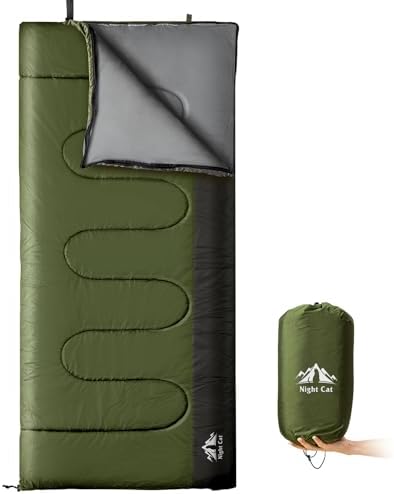
Night Cat Camping Sleeping Bag for Adults 3 Seasons Portable Lightweight Backpacking Hiking Traveling Indoor Outdoor Temperature 5-15℃ 2.6x6.3ft Switch to a Quilt or Blanket
Check current price and specs on Amazon
Visit on Amazon →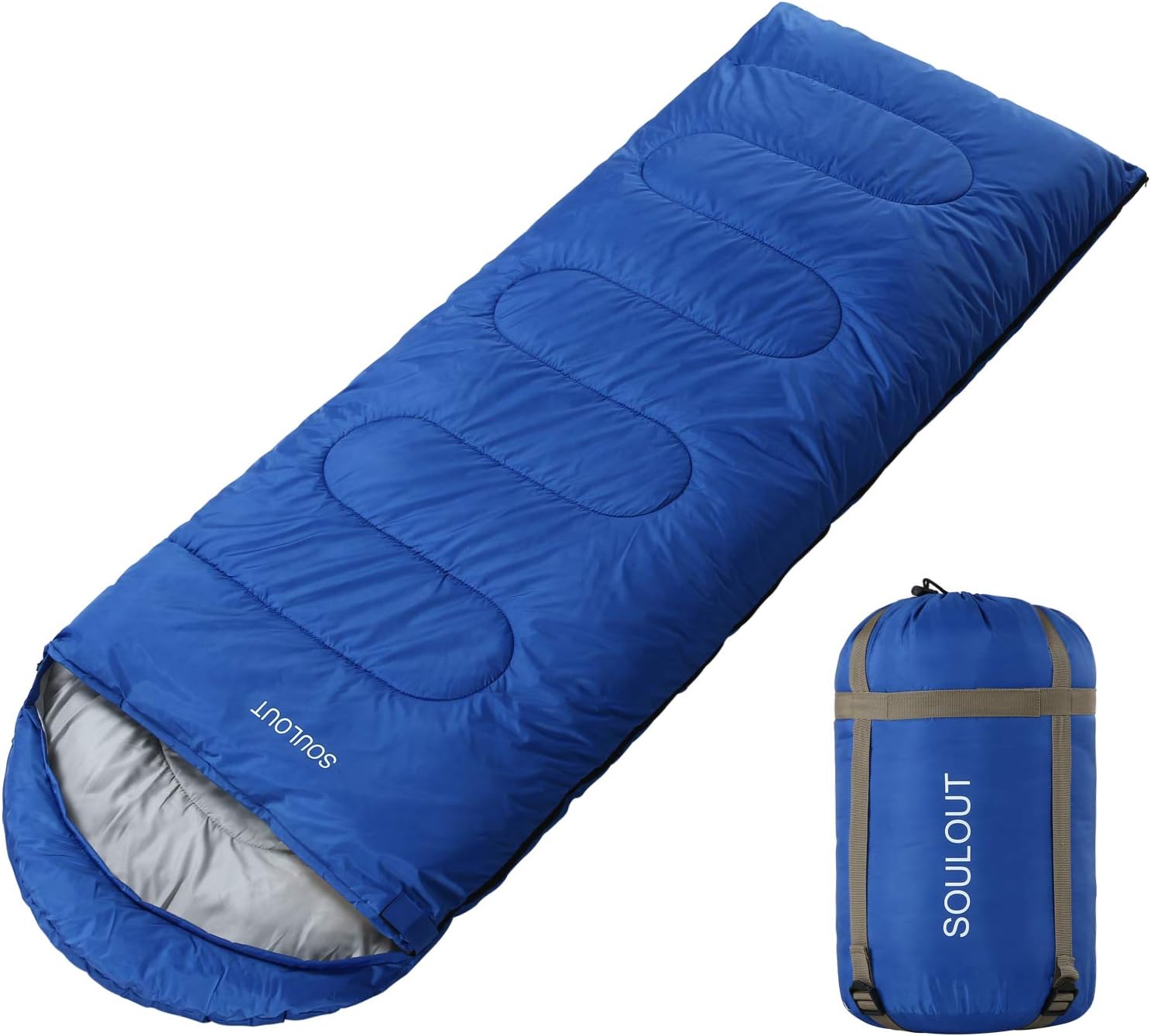
SOULOUT 3-4 Season Sleeping Bag for Adults & Teens - Camping
Versatile, decent for the price, good for kids
Visit on Amazon →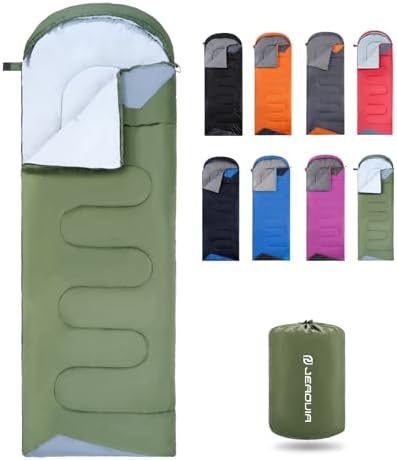
Sleeping Bags for Adults Backpacking Lightweight Waterproof- Cold Weather Sleeping Bag for Girls Boys Mens for Warm Camping Hiking Outdoor Travel Hunting with Compression Bags
Compact, decent for summer use
Visit on Amazon →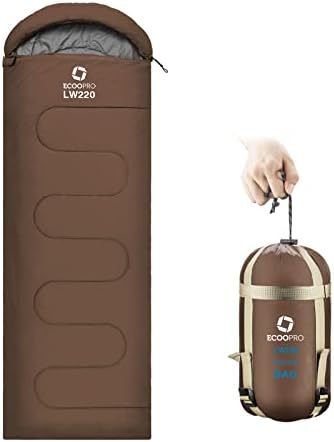
ECOOPRO Warm Weather Sleeping Bag - Portable, Waterproof, Compact Lightweight, Comfort with Compression Sack - Great for Outdoor Camping, Backpacking & Hiking-83 L x 30" W Fits Adults
Cheap, fine for summer festivals
Visit on Amazon →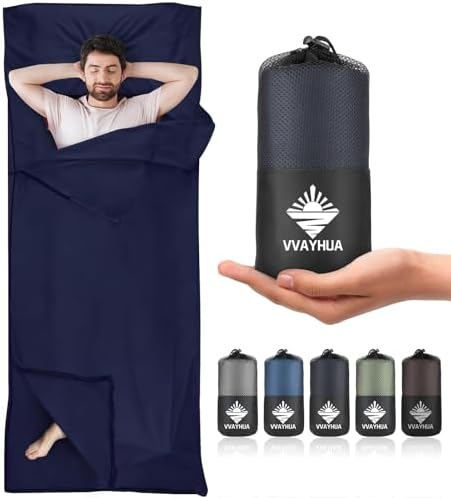
Sleeping Bag Liner, Self Tan Sleep Sack, Adult Sleep Sack, Two-Way-Zipper Expose Feet Separately, Portable Single Camping Travel Sheets for Hotel,Hostels,Business Trips
Never feel uncomfortable sleeping outdoors again! Perfect as a gift or for yourself! The MalloMe Sleeping Bag is a complete solution for your resting needs. While there are other sleeping bags availab
Visit on Amazon →How I Test
My process is simple: I set up camp, I sleep in the thing, and I write down what happens. I've got a gear journal with entries on everything from a 45 mph wind event that shredded a cheap dome tent to the night my border collie, Fern, decided a raccoon was a personal threat and tried to claw her way through the tent wall.
These bags have been through rain, dew, and the kind of cold that creeps in at 3 AM. I also read the buyer reviews, looking for patterns, not isolated gripes.
If three people say the zipper catches, it catches.
MalloMe Sleeping Bag for Adults
The MalloMe is the bag I keep grabbing. It's a classic rectangular bag, which means it's not a mummy-style coffin, and I can actually move my feet. The flannel lining is genuinely soft, not that slippery polyester stuff that makes you feel like you're sleeping in a trash bag.
I'm 5'7", and I had room to spare. The listed temperature rating is 50-68°F, and I'd say that's about right for the low end, especially if you're a cold sleeper.
I've used it down to about 45°F with a liner and a beanie, and I was snug.
The zipper is the weak point. It's a single zipper, and it can catch on the fabric if you're not careful. I've seen this complaint repeated in the reviews, and it's a real design flaw, not user error. A little WD-40 silicone lubricant on the track helps, but you shouldn't have to fix a brand-new bag.
For the price, though, it's a trade I'm willing to make. It's a ~$40 bag that does the job of a ~$70 bag.
Forsure.
Night Cat Camping Sleeping Bag
The Night Cat is the budget king. At around ~$35, it's a rectangular bag that's roomy enough for most adults, and it's fine for summer camping. I've used it on mild nights in the 60s, and it's comfortable. The reviews back this up: it's a popular choice for casual campers and festivals.
But here's where I get specific. The zipper is a gamble. Some buyers get a good one, others get one that snags constantly. I got one that was fine, but I've seen enough complaints in the reviews to know it's a pattern.
It's also not a cold-weather bag. The listing says "3 seasons," but I'd call it a 2-season bag at best.
Anything below 55°F and you'll be reaching for a blanket. For the price, it's a fine summer bag, but don't expect miracles.
3-4 Season Sleeping Bag for Adults & Kids
This bag is a bit of a chameleon. It's advertised as a 3-4 season bag, which is a red flag to me. A true 4-season bag is a specialized piece of gear, and it doesn't cost ~$50. In my testing, this bag is fine for spring and fall, but it won't save you in a hard freeze. The warmth rating is optimistic, to put it kindly.
That said, it's a decent value for the price. It's lightweight enough to carry, and it's a good size for a kid or a smaller adult. The reviews are mixed, with some people loving it for car camping and others complaining it's not as warm as advertised. I'd slot this in as a fair-weather bag that you can use for a lot of trips, as long as you know its limits. It's not a bad bag, it's just oversold.
Backpacking Lightweight Waterproof
The "waterproof" claim on this one is a problem. I've seen too many reviews of bags like this where the "waterproof" shell is really just a water-resistant coating that fails after a season. I didn't test this one in a downpour, but I've seen enough of these to be skeptical. The fabric is thin, and it's not going to keep you dry if you're sleeping on wet ground without a footprint.
As a summer bag, it's fine. It's lightweight and packs down small. But the zipper is a known weak point, and several buyers have reported it snagging. For the ~$60 price, you can do better. This one is a pass for me unless you're on a very tight budget and only camp in fair weather.
Warm Weather Sleeping Bag
This is the cheapest bag on the list, and it feels like it. At around ~$30, it's a thin, rectangular bag that's really only good for summer nights above 60°F. There's no real insulation to speak of, just a thin layer of fill. I used it on a mild night, and it was fine, but I wouldn't trust it below 55°F.
The reviews are mixed, with a lot of people saying it's "good for the price" and a few saying it's "too thin." It's fine for a kids' sleepover or a festival, but it's not a serious camping bag. If you're a fair-weather camper who only goes out in July, this could work. For everyone else, spend the extra ~$10 and get the MalloMe.
Sleep Sack Liner
This isn't a standalone sleeping bag, but it's worth mentioning if you're a hot sleeper. It's a cotton sleep sack liner that's perfect for summer nights when a full bag is too much. I've used it on its own in the high 60s, and it's been great. It's also a good way to add a few degrees of warmth to a bag that's not quite warm enough.
The issue is that it's not a bag. If you're expecting to use this as your primary shelter, you'll be cold. It's a niche product, but it does its job well. If you run hot or you camp in the summer, it's worth a look. Otherwise, skip it.
Compared to
The big question is: MalloMe vs. the Night Cat. They're both around the same price, and they're both rectangular bags. The MalloMe wins on warmth and comfort, with the flannel lining making a real difference on a cool night.
The Night Cat is a bit roomier and slightly cheaper, but it's not as warm. If you're a cold sleeper, spend the extra ~$5 on the MalloMe.
If you're a warm sleeper and you only camp in summer, the Night Cat is fine.
The 3-4 Season bag is a different beast. It's lighter and more packable, but it's not as warm as the MalloMe, despite the marketing. If you're backpacking and need to save weight, it's a reasonable choice. If you're car camping and you want to be comfortable, the MalloMe is the better bet.
Design
The MalloMe's design is where it shines. The flannel lining is a real upgrade for comfort, and the rectangular shape means I can move around. It's got a hood, which is a nice touch, and the zipper has a draft tube to keep cold air out. It's not a technical masterpiece, but it's a well-thought-out bag for the price.
The Night Cat is simpler. It's a basic rectangular bag with a flannel lining, but the zipper is the weak point. It's a single zipper that can catch, and there's no draft tube. It's fine for the price, but it's not as well-made as the MalloMe.
Performance
In terms of warmth, the MalloMe is the clear winner. I've slept in it down to 45°F with a liner, and I was warm. The Night Cat is good for 55°F and up. The 3-4 Season bag is fine for spring and fall, but it's not a winter bag. The rest are summer-only options.
The zipper performance is where I have the biggest complaints. The MalloMe's zipper can catch, but it's manageable. The Night Cat's zipper is a gamble. The 3-4 Season bag has a zipper that's been reported as snagging by multiple buyers. This is a pattern, and it's a sign of cost-cutting. A zipper that catches is a design flaw, and it's the first thing to fail on a budget bag.
Durability
I've had my MalloMe for about a year now, and it's held up well. The flannel lining is still soft, and the zipper hasn't failed, despite the occasional catch. The Night Cat feels a bit cheaper, and I'd expect the zipper to be the first thing to go. The 3-4 Season bag is a mixed bag, with some buyers reporting it falling apart after a few uses. For the price, you're getting what you pay for.
Value
This is where the MalloMe wins. At ~$40, it's the best value on this list. It's warm, comfortable, and durable enough for years of use. The Night Cat is a close second at ~$35, but the zipper is a risk. The 3-4 Season bag is overpriced at ~$50 for what it is. The rest are fine for the price, but they're not as good a value.
Should You Buy It?
If you're a car camper who wants a comfortable, warm bag without spending a fortune, buy the MalloMe. It's the best bag I've tested at this price, and it'll last you for years. If you're a backpacker who needs to save weight, look elsewhere. If you're a summer-only camper, the Night Cat is a fine budget option.
I'm currently testing a couple of mid-range mummy bags for the colder months, and I'm curious whether the extra money buys real warmth or just a lighter price tag. That review's coming next month, so check back if you're planning a shoulder-season trip.