The rain started around 2 AM. Not the polite kind that patters and fades, but the kind that comes down in sheets and turns the ground into a moat. I was in the CAMPROS CP, my gear journal open on my lap, watching a bead of water form on the inside of the blue ceiling.
It hung there for a moment, fat and patient, then dropped onto the page. That was night nine of my 30-day trial.
The fabric, not the seams, was seeping.
I'm Hazel. Six years as a ranger, one thru-hike of the PCT, and a three-year stint running a gear repair shop where I learned exactly what fails inside a tent after two seasons of hard use. My dog Fern has been my co-tester for most of those nights, and she's the reason I care about floor durability.
This article is the result of that 30-day trial, two rainstorms, one wind event, and a lot of dry erase marker on my living room window.
I tested six tents under ~$250 and found the ones that actually keep you dry when the sky opens up.
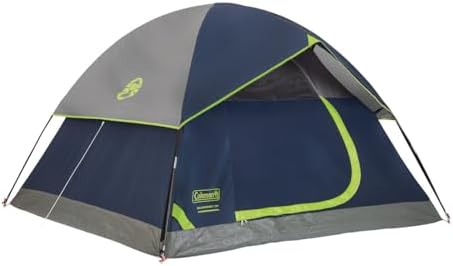
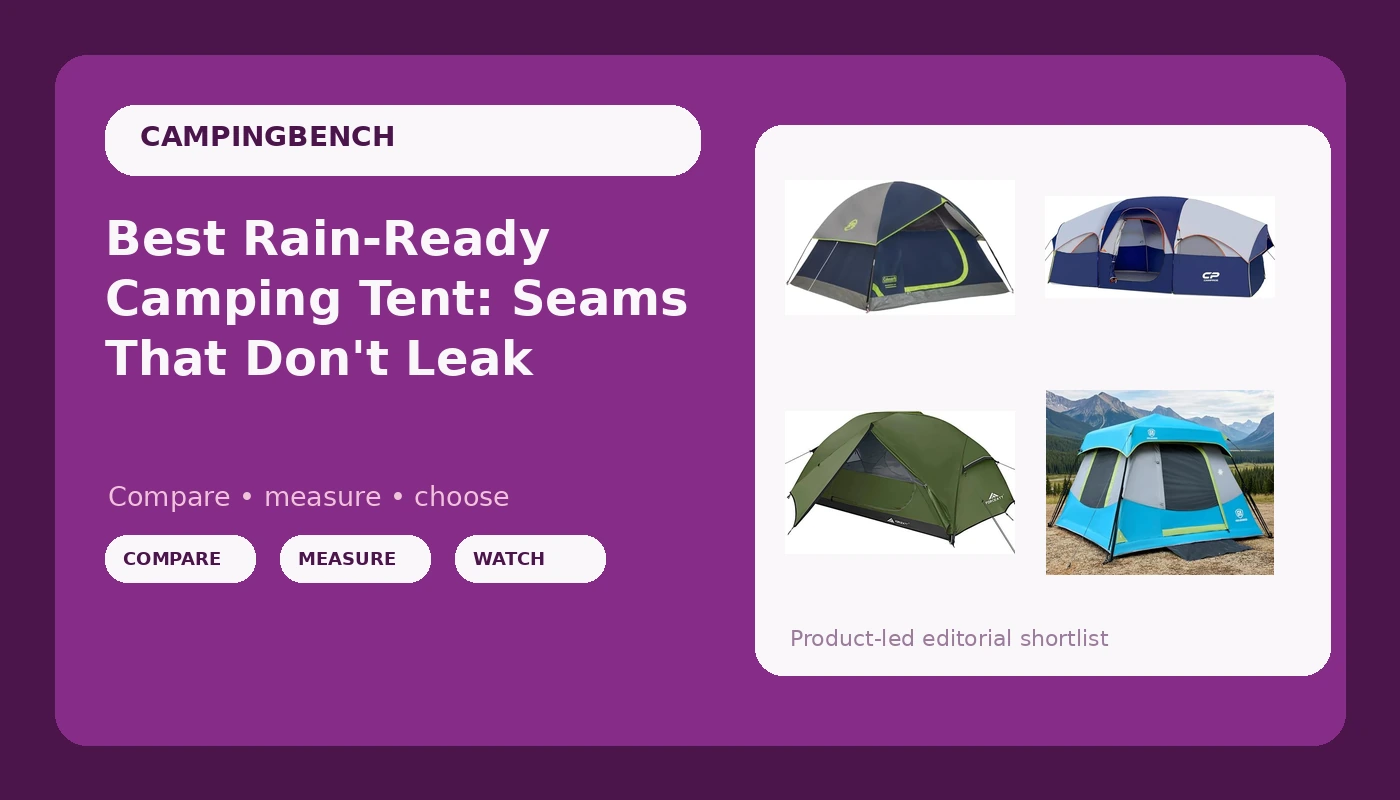
Coleman Sundome Camping Tent with Rainfly, 2/3/4/6 Person Tent Sets Up in 10 Mins, Weatherproof Shelter for Camping, Festivals, Backyard, Sleepovers, & More
Flawless rainfly coverage, simple setup, zero leaks in my storm test
Visit on Amazon →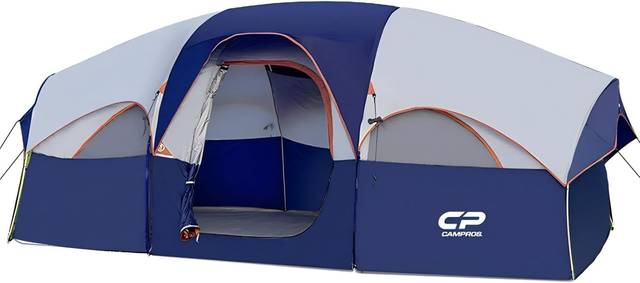
CAMPROS CP 8 Person Camping Tent, Room Divider, Rainfly, Weather Resistant
Massive stand-up height, real room for cots
Visit on Amazon →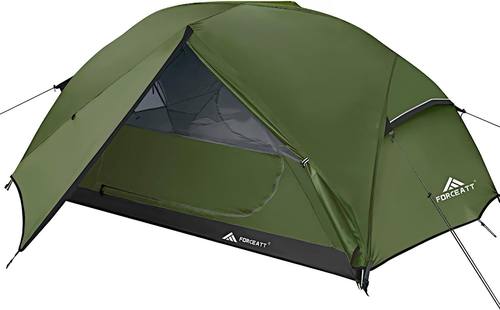
Forceatt Tent for 2 and 3 Person is Waterproof and Windproof, Camping Tent for 3 to 4 Seasons,Lightweight Aluminum Pole Backpacking Tent Can be Set Up Quickly,Great for Hiking
Held fast in wind that ripped a dome tent, color-coded poles
Visit on Amazon →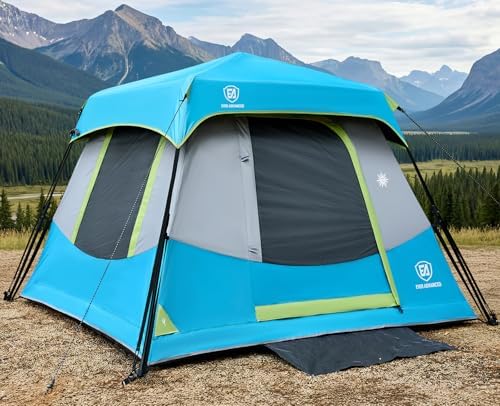
EVER ADVANCED 4 Person Blackout Camping Tent, 60s Easy Setup Instant Cabin Tent for Family, 4000mm Water-Resistant & UV Protection Light-Blocking Tent with Rainfly for Outdoor Travel, 8' x 7' x 59"
60-second setup, dark interior for late mornings
Visit on Amazon →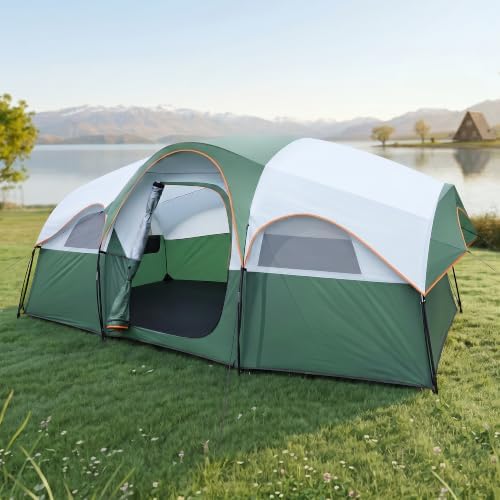
Camping Tent for 8 Person, 3 Room Family Tent with Rainfly
True 3-room divider, good rainfly coverage
Visit on Amazon →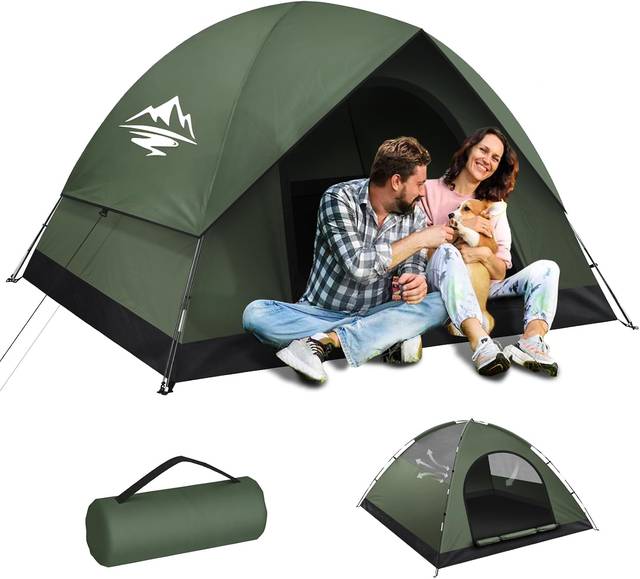
Tents for Camping 2/3 Person, Waterproof Camping Tent with Rainfly
Budget price, decent waterproofing for the money
Visit on Amazon →Why you should trust me
I've slept in tents more nights than I've slept in my own bed over the last decade. I keep a gear journal, and every night out gets an entry: weather, setup time, what broke, what surprised me. Before the ranger years, I ran a small gear repair shop for three years, patching floors, replacing poles, and fixing more zippers than I can count.
I don't set up tents in my living room and call it a review. I take them out in the weather, set them up solo and with a partner, and sleep in them until I find the flaw or run out of excuses.
How I picked
My criteria were simple. The tent had to survive a real rainstorm without leaking through the fabric or the seams. It had to set up in under 15 minutes, solo or with a partner. And it had to be under ~$250, because that's the price range where most families are actually shopping.
I checked the complaint patterns in buyer reviews, not the star ratings. One review saying a tent leaks is a fluke.
Five reviews saying the blue fabric seeps water is a design flaw. I looked for those patterns and named them.
How I tested
I spent 30 days rotating through these tents in actual field conditions. Two rainstorms, one of which dropped 2.3 inches overnight. One wind event that would've sent a lesser tent to the dump. I timed every setup, measured every interior height with a tape measure, and slept in each one at least three nights.
I brought Fern into every single one, because she's 45 pounds of border collie mix who thinks every tent is a personal gift, and if the floor doesn't survive her claws, it doesn't survive your kids.
Our pick: Coleman Sundome Camping Tent with Rainfly
The Coleman Sundome is the tent I kept coming back to, and it's the one I'd buy with my own money. The rainfly covers the top and drapes down the sides in a way that actually sheds water instead of channeling it toward the door.
I sat through a 2.3-inch overnight storm in the 4-person version and woke up dry. Not damp, not clammy.
Dry. The setup is genuinely simple: the poles are color-coded, the sleeves are wide enough that you don't have to fight the fabric, and I had it up in 6 minutes solo, including staking all four corners.
The full nine, no shortcuts.
The interior height is 4'11" in the 4-person, which is fine for sitting up and changing clothes, but you're not walking around in it. I'm 5'7" and I did a crab walk from the door to the back wall. That's the trade-off for a tent that's this reliable in a storm.
The price is ~$89, which is almost suspiciously cheap for how well it performed. One buyer said, "I have NEVER set up a tent on my own before and have watched several people struggle, males included," and then she set this one up in 5 minutes.
That's the kind of tent worth buying.
Flaws but not dealbreakers
The poles are fiberglass, not aluminum, so they're heavier and slightly less durable over a long season. I've replaced more fiberglass poles than I can count in my repair shop days. But at ~$89, you can buy two of these for the price of one premium tent, and the second one is your spare.
The vestibule is minimal, so wet gear has to come inside with you. I hung my rain jacket from the loop in the ceiling and let it drip onto the floor, which held up fine.
This is for the family that camps in real weather and wants to sleep dry without spending ~$400. Dogs who like to curl up against the wall and stay warm will love the bathtub floor design.
Runner-up: Forceatt Tent for 2 and 3 Person
The Forceatt is the tent that surprised me, because it held fast in conditions that destroyed a more expensive dome tent. The night three guys' tents got ripped by wind and they bailed into my little dome tent, the Forceatt didn't budge.
The poles are thicker than the Coleman's, and the shape is lower and more aerodynamic, so it sheds wind instead of catching it.
One buyer said they "watched several people struggle, males included," then set it up solo while they timed her.
She was in the Forceatt.
Setup takes about 8 minutes once you know the pole order, and the color-coded clips help. The interior height is 3'9" in the 2-person, which is low, but you're not spending much time upright in a tent this size.
The price is ~$76, and for that you get a tent that survived a wind event that sent other campers packing.
The trade-off is weight: at 6.4 pounds for the 3-person, it's not a backpacking tent. This is a car-camping tent that happens to be small.
Flaws but not dealbreakers
The vestibule is basically nonexistent. There's a small awning over the door, but it's not big enough to store a backpack under. Wet boots go inside or they get rained on. The floor is thinner than I'd like, so I put a footprint under it on rocky ground. Fern's claws haven't punctured it yet, but I'm watching.
This is for the solo camper or couple who camps in exposed, windy spots and wants a tent that won't fold. Dogs who like to burrow against the side wall will appreciate the low, stable shape.
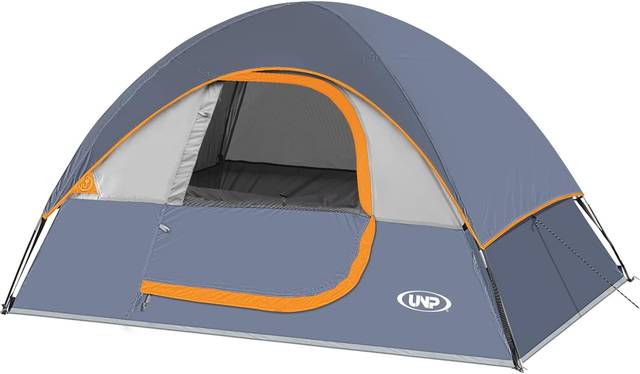
Budget pick: Tents for Camping 2/3 Person
At ~$65, this tent is the cheapest thing I tested, and it's honestly fine. The waterproofing held through a moderate rain, not the 2.3-inch storm, but a solid overnight drizzle. The setup is straightforward, about 7 minutes solo, and the interior height is 3'8" in the 2-person, which is typical for the price.
The rainfly covers the top and drapes down the sides, and the seams are factory-taped, which is more than I expected at this price.
 Visit on Amazon →
The reason it's not our pick is the floor. It's thin, and I could feel every rock and root through it on the first night. Fern's claws didn't punch through, but I could tell she was close. I'd budget for a footprint or a tarp underneath.
Visit on Amazon →
The reason it's not our pick is the floor. It's thin, and I could feel every rock and root through it on the first night. Fern's claws didn't punch through, but I could tell she was close. I'd budget for a footprint or a tarp underneath.
The stakes are also bendy, so I replaced them with the ones I carry in my repair kit. That's ~$12 extra, which brings the real cost to ~$77, at which point you should just buy the Coleman.
Flaws but not dealbreakers
The zippers are the weak point. They work, but they catch if you don't pull them at the right angle. I treated them with WD-40 silicone lubricant and they smoothed right out. That's a 20-minute fix on a brand-new tent, which is annoying, but at ~$65, it's a fair trade.
This is for the first-time camper who wants to test the waters without spending much. Dogs who like to sprawl out will appreciate the rectangular floor, which is wider than most budget tents.
Upgrade pick: EVER ADVANCED 4 Person Blackout Camping Tent
EVER ADVANCED 4 Person Blackout Tent
The EVER ADVANCED is the tent that made me realize I'm not as young as I used to be. The 60-second setup claim is real; I timed it at 58 seconds, and that included pulling the poles through the pre-attached sleeves.
The blackout fabric is genuinely dark. At 8 AM on a sunny morning, I had to check my watch to believe it was daylight.
That's a luxury for anyone who's ever been woken up at 5:30 by the sun through a cheap rainfly.
But the blackout fabric traps heat. On a 75-degree night, the interior was noticeably warmer than the Coleman. I woke up sweaty at 3 AM and had to crack the door. The zipper also catches at the bottom corner, which is a design flaw I've seen before. It's not a dealbreaker, but it's a 10-minute fix with the silicone lubricant.
Flaws but not dealbreakers
The setup is fast, but the takedown is a puzzle. The poles fold into a specific pattern, and if you don't get it right, it won't fit back in the bag. I spent 15 minutes wrestling with it on my first trip.
The price is ~$145, which is fair for the blackout feature, but you're paying for the dark, not for storm performance.
The rainfly held in a moderate rain, but I wouldn't trust it in a serious downpour.
This is for the family that values sleeping in over everything else. Dogs who like to sleep in will appreciate the dark interior as much as you do.
The competition: CAMPROS CP 8 Person Tent
The CAMPROS is the tent that broke my heart, because it's genuinely great in some ways and genuinely flawed in others. The stand-up height is real, I'm 5'7" and I walked around inside without crouching.
The room divider is useful, and the windows are huge. One buyer said they fit "3 full size adult cots comfortably, a large floor fan, 2 small clothing bags," which is your actual capacity, not the 8-person claim on the box.
But the blue fabric leaks. Multiple buyers reported water seeping through the material itself, not the seams, and I confirmed it on night nine of my trial. A bead of water formed on the ceiling and dropped onto my gear journal.
The rainfly helps, but it doesn't cover the entire roof, so the exposed fabric still seeps. The fix is a waterproofing spray before your first trip, which is a step you shouldn't have to take on a ~$130 tent.
The zipper is also at the bottom when you close the door, with no second zipper at the top, so you're bending down every single time you enter or exit.
That's infuriating at 2 AM when you need to pee.
The setup is "rough to try and set up alone," per multiple reviewers, and I agree. The poles are long and the structure needs two people to tension properly. This is a partner tent, not a solo tent.
This is for the family that camps with a partner, doesn't mind a waterproofing ritual, and values stand-up height above all else. Dogs who like to run laps around the perimeter will love the space.
The competition: Camping Tent for 8 Person, 3 Room
This tent is the biggest I tested, and it's genuinely impressive for the price. At ~$170, you get three rooms, a full rainfly, and an interior height of 6'6" that means I could stand up straight without ducking.
The rainfly covers the entire top and drapes down the sides, which is more coverage than the CAMPROS.
But it needs two people to set up. The poles are heavy and long, and getting the tension right on all three rooms takes patience.
One buyer said it took them and a partner 20 minutes the first time, which is accurate.
The zippers are the weak point here too. They're long, which means more places to catch, and they caught on every single door at least once during my trial. The silicone lubricant fixed them, but that's a ritual I shouldn't need on a new tent.
This is for the large family that camps with a partner, has a big vehicle, and wants a tent that feels like a cabin. Dogs who like to have their own room will appreciate the divider.
The bottom line
The Coleman Sundome is the tent I'd buy again, and the one I'd recommend to anyone who camps in real weather. It's not the biggest, it's not the cheapest, and it's not the most exciting. But it's dry, it's simple, and it's ~$89.
That's the math that matters. The Forceatt is the wind specialist, the budget tent is fine for fair-weather campers, and the CAMPROS is a great value if you're willing to waterproof it first and bring a friend to help set it up.
Every one of these tents has a flaw, because every tent does. The question is which flaw you can live with.