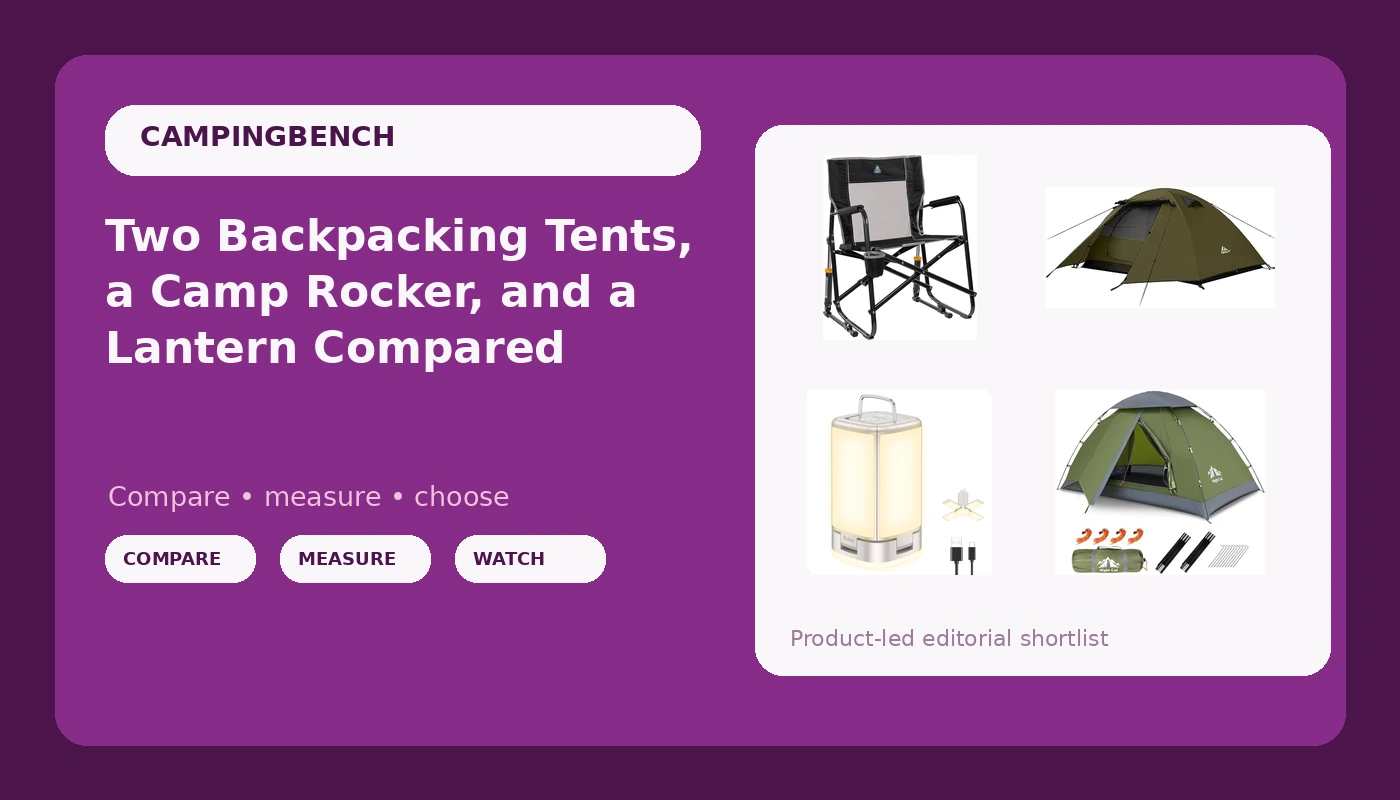
I have spent more than 500 nights in tents, most of them in the Cascades, and I still get the same question from friends around Bend: what do I actually need for a weekend out? The honest answer is four decisions, not forty. Shelter, seating, light, and how much weight you are willing to feel at mile twelve. This comparison of backpacking tents and camp chairs covers the four pieces I would look at first for a two-night trip, plus the rechargeable lantern that decides whether dinner happens in daylight or by headlamp.
The best shelter for most weekend trips here is the Night Cat two-person tent, because clip setup is the difference between pitching before the rain and pitching in it. The Forceatt is the better pick when you need room for three or four, the GCI Outdoor Freestyle Rocker is the one luxury I would haul to a drive-in site, and the Blukar lantern is the piece people forget until the night they need it.
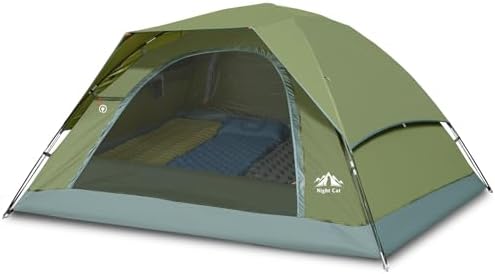
Night Cat Upgraded Backpacking Tents 1 2 Persons Easy Clip Setup Camping Tent Adults Scouts Heavy Rainproof Compact Lightweight
Fastest setup of the group, compact packed size, easy to hand to a first-time backpacker
Two-person capacity is optimistic for two adults plus gear
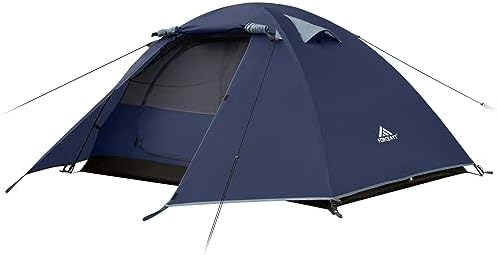
Forceatt Camping Tent 2/3/4 Person, Professional Waterproof & Windproof Lightweight Backpacking Tent Suitable for Outdoor,Hiking,Camping, Mountaineering and Travel
More interior room, weather-focused build for exposed sites, sizes up for families
Heavier and bulkier than a two-person shelter
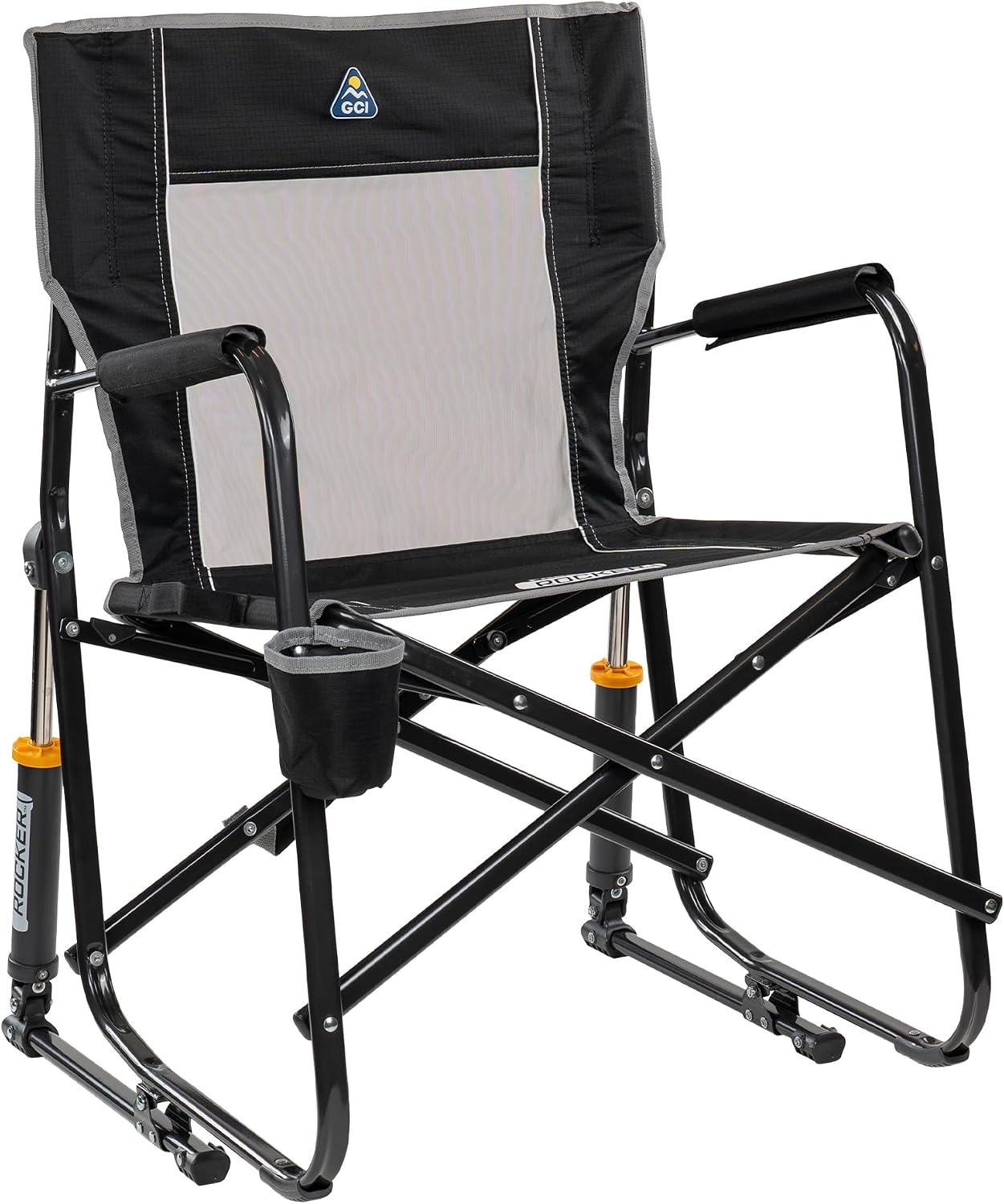
GCI Outdoor Freestyle Rocker Camping Chair - Black
Genuinely comfortable, rocking motion beats a static folder on soft ground
Car camping only, packed size is larger than a flat folding chair
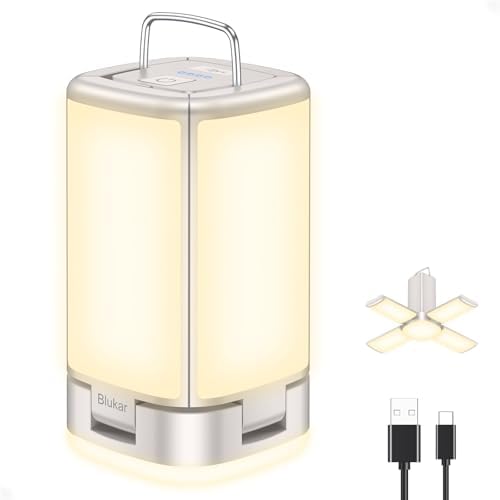
Blukar 116 LED Camping Lantern Rechargeable, Super Bright Camping Lights
Rechargeable, bright enough for a group table, no disposable batteries to pack out
A luxury on a backpacking trip where a headlamp does the job
Prices and availability were captured from Amazon Creators API and may change.
How I judge gear for a weekend kit
Three tests, in this order. Pitch time first, because a tent that takes twenty minutes to set up is a tent you will sleep in the rain next to. Waterproofing second, because factory seam sealing is a promise with an expiration date, and the real question is how the fly, the floor, and the bathtub edge handle a storm that lasts longer than the forecast said. Weight third, and I audit it honestly: everything in the pack except food, water, and fuel. Base weight is the number that decides whether a trip feels like a walk or a haul.
Then there is a fourth thing that never shows up in a spec table: whether I would carry it again. That is the only review that matters, and it is the one most gear never survives.
A note on "waterproof" as a word. It is not a yes or no. It is a coating, a fabric, and a taped seam, and all three degrade. That is why I care less about the marketing adjective and more about how the tent is built at the corners and the pole sleeves, which are the places that flex every single time you pitch.
The two tents: room versus speed
Both tents here are built for the same kind of trip and they solve it differently.
The Night Cat tent leans toward speed. The clip setup is the design feature I care about most, because clips go up faster than sleeves and they let you raise the body and the fly together when the weather is already turning. For one or two people, that is the right trade: a compact, lightweight package that goes up in the window before the rain arrives. It is also the tent I would hand to a scout or a first-time backpacker, because a tent that pitches without swearing gets used more often.
Where I push back is capacity. A two-person tent is a two-person tent in the listing and a one-person-plus-gear tent in real life. If two adults who both roll over are sleeping in it, look at a larger size or accept that your pack sleeps in the vestibule. That is not a knock on this tent, it is a knock on how capacity gets marketed across the entire industry.
The Forceatt tent is the roomier option, and the waterproof and windproof framing tells you what it is designed for: exposed sites, open meadows, the kind of place where wind crosses a ridge and stays for the night. A larger tent is heavier and it catches more wind, so structure matters more at that size, not less. If your trip is a basecamp, a family outing, or a site with a dog, the extra interior space is worth the weight on a short approach.
My rule: buy the smallest tent that fits the people and the worst night you expect. Not the best night. The worst one.
One habit that applies to both: take ten minutes with a tube of seam sealer before the first trip. Factory tape fails first on the seams that flex, and the corners and pole sleeves are where it happens. I have watched a tent that stayed dry for two seasons start dripping at 2 a.m. on night three of a wet trip, and the fix was a cheap tube and a sunny afternoon.
The GCI Outdoor Freestyle Rocker
The Freestyle Rocker is the piece in this comparison that has nothing to do with base weight, and I am fine with that. It is a folding rocker, which makes it a car camping item: heavy enough that you will not carry it past the first mile, comfortable enough that you will be glad it was in the trunk. The rocking motion is what separates it from a static camp chair that sinks into soft ground and tips when you stand up.
The honest framing is that this is a chair for the site you drive to. The festival, the tailgate, the basecamp where the vehicle sits ten feet away. If your trip is a thru-hike, this stays home, and that is not a flaw, it is a category. I keep a heavy chair in the garage for family trips and a three-ounce sit pad in my pack for everything else. Both are correct for their trip.
Two things I would check on any rocking camp chair before buying. Packed size, because rockers take more trunk space than a flat folder. And the weight rating, because a rocker's pivot points take more stress than a static frame. Read the listing carefully and decide whether the packed dimensions fit your vehicle and your body.
The Blukar 116 LED camping lantern
Light is the most underrated item in a camp kit. You notice a bad lantern exactly once, on the night the headlamp battery dies and you are cooking by phone flashlight. The Blukar is a rechargeable LED lantern, which solves the two problems I have with battery lanterns: you are not buying disposable cells every trip, and you are not guessing how much juice is left. Rechargeable also means you can top it up from a power bank or a vehicle on a longer trip.
A lantern like this belongs in the car camping box, and it earns a place in a basecamp kit. For backpacking, I still take a small headlamp first and treat the lantern as a luxury. But a rechargeable lantern that lives in the gear bin means the group site is never dark, and that is worth more than the weight it adds to a vehicle.
What to look for in any rechargeable camp lantern: a low mode that will not blind everyone at the table, a switch that will not turn on inside your bag, and a charge port that matches the cable you already carry. A lantern with a proprietary charger is a lantern with a dead battery on night two.
The trade-offs nobody prints in the spec sheet
Weight against comfort. Every item here sits somewhere on that line. The tents are built to be carried, the chair is built to be sat in, and the lantern is built to be forgotten until it is needed. A weekend kit is a negotiation between those three jobs.
Packed volume against everything else. A rocker is bulky, a four-person tent is bulky, and a big lantern is bulky. If you are loading a sedan for four people, volume runs out before weight does.
Weather against the forecast. A forecast is a guess with a percentage attached. I pack for the worst night of the trip, and I have never once regretted carrying the slightly heavier shelter.
Cost against nights out. A cheap tent that leaks on trip two is more expensive than a better tent that lasts six seasons. That math only works if you actually go, which is an argument for gear that is easy to pitch and pleasant to sit in.
Which one for which trip
Car camping with the family: the GCI Freestyle Rocker, the Blukar lantern, and the roomiest tent that fits the site. Weight is irrelevant when the trunk is the pack.
A two-night backpacking trip with a friend: the Night Cat tent, split the load, leave the rocker at home, and take a headlamp first.
A windy, exposed basecamp: the Forceatt tent for the interior room and the weather framing, the rocker for the evenings, and the lantern for the table.
Solo and fast: none of the heavy items. A one-person shelter, a sit pad, and a headlamp. The rocker stays in the garage, and I say that with real affection.
What I'm testing next
I am partway through a run of two-person tents, comparing clip setups against sleeve setups on the same wet ridge, logging pitch times in real weather instead of in a driveway. The number I care about is not the fastest pitch, it is the pitch you can repeat when your hands are cold and the wind is up. Full field notes when the run is done.
If you take one thing from this comparison, take the weight audit. Weigh your kit before the trip, write the number down, and then decide what you are willing to carry. That number, not the spec sheet, is what your shoulders remember at mile twelve.