I have spent more than 500 nights in tents, six seasons as a park ranger in Central Oregon, and one full thru-hike of the Pacific Crest Trail, and the family camping question has never really changed: what gets used, and what stays in the garage? This family camping gear comparison covers four very different items that end up in the same cart, two family tents, a pocket-sized survival fishing kit, and a beginner's guide to the card game Pitch. They are not competitors in the usual sense. They compete for the same two resources, which are room in your vehicle and attention on a trip where the kids outnumber the adults.
Related: How to Choose a Family Camping Tent
My verdict up front: for a family that camps two or more nights at a time, the CAMPROS CP 12 Person 3-Room tent is the shelter that does the most work, and the instant pop-up tent is the one to keep for single nights and fast departures. The fishing kit and the card game are small, inexpensive insurance against two specific kinds of boredom, and both earn their corner of a tote bag.
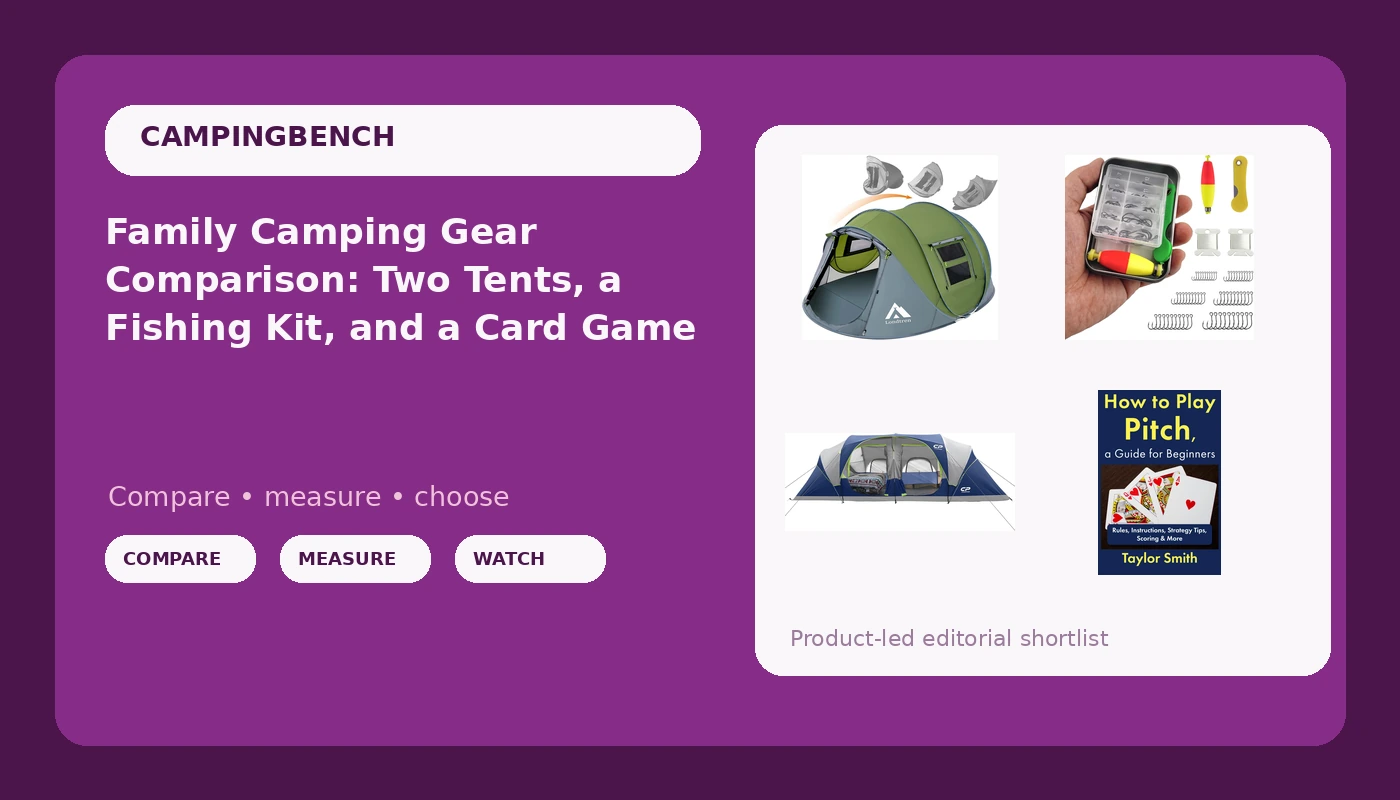
4 Person Easy Pop Up Tent Waterproof Automatic Setup 2 Doors
Fastest pitch of the group by a wide margin, two doors cut the crawl-over problem, simple enough that kids can help
Bulky disc when packed, minimal storm coverage, few guy-out points, and it is a fair-weather friend in real weather
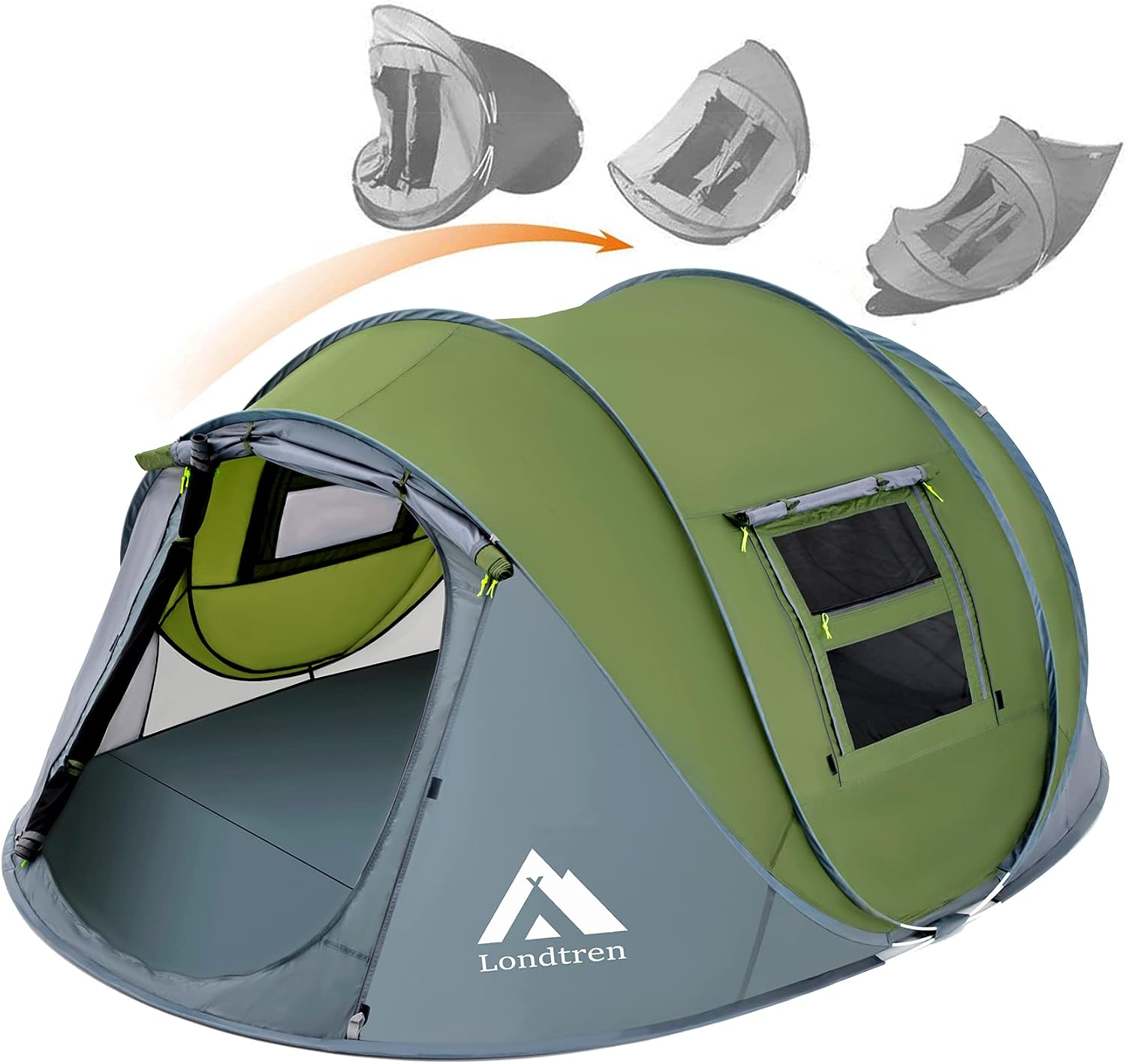
Mini Survival Fishing Kit
Fits in a hipbelt pocket, adds real capability to a hike, great first kit for a kid
Components are basic and small, not a substitute for real tackle when fishing is the point of the trip
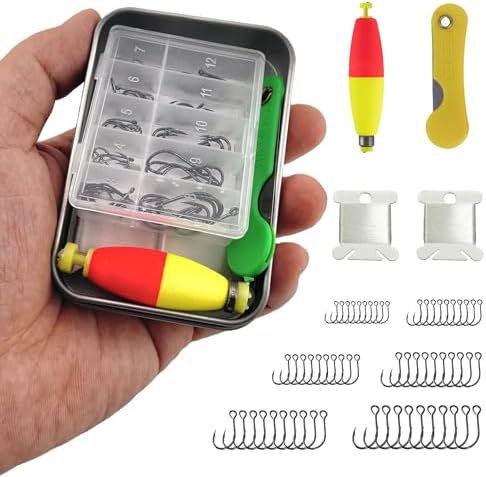
CAMPROS CP 12 Person Camping Tent, 3-Room Family Tent, Rainfly, Waterproof
Three rooms separate sleepers from gear, rainfly coverage is a real advantage, the shelter a family of five can live in for a week
Heavy and bulky, takes two adults to pitch well, needs a large level site, overkill for a couple
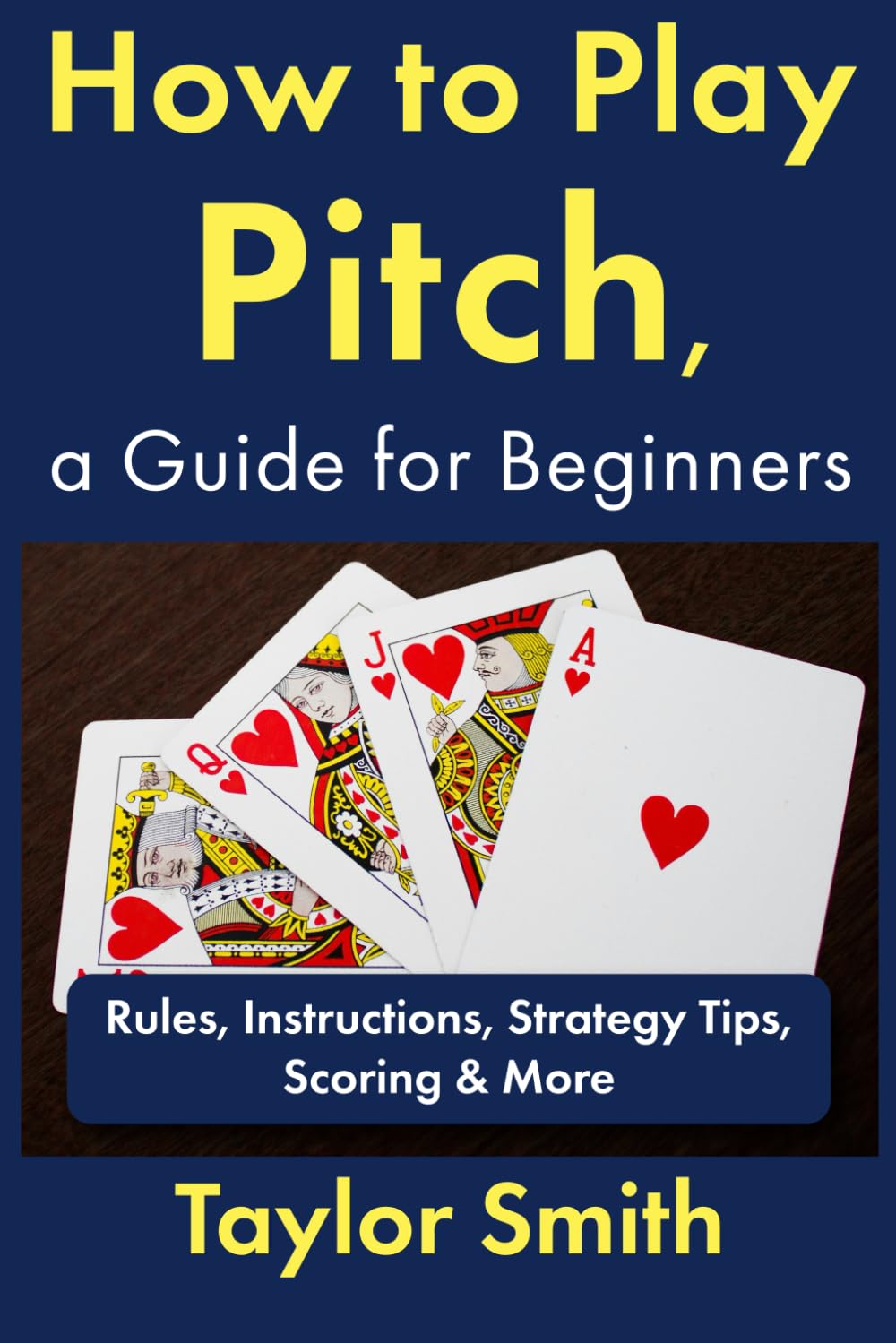
How to Play Pitch, a Guide for Beginners
Screen-free entertainment that works in a tent during a rain delay, teaches scoring and strategy clearly
It is a book, not a deck of cards, and bidding games take a few hands before they click
Prices and availability were captured from Amazon Creators API and may change.
How I judge family camping gear
Four criteria decide everything for me, and none of them is a marketing claim.
Pitch time comes first. A tent that takes 20 minutes to set up is a tent you will end up sleeping next to in the rain, because at some point you will arrive late, tired, and in bad weather. Speed is not laziness. Speed is weather protection.
Storm behavior comes second. Waterproofing is a promise that expires. Every factory seam seal I have owned has failed eventually, and the fix is a tube of seam sealer and an afternoon, not a warranty claim. So I look at rainfly coverage, guy-out points, and whether the fly actually sheds water away from the doors.
Third, will you actually carry it? Weight is not a number on a spec sheet, it is how you feel at mile 12 on day 3. For car camping the math changes, because the vehicle does the carrying. But packed volume still matters when you are fitting a family, a cooler, and two dogs into one SUV.
Fourth, comfort against weight. That trade-off is the whole game. The trick is knowing which trip needs which, and the 40-pound full setup that never leaves the garage is not a setup at all.
The instant pop-up tent: speed over everything
The 4 Person Easy Pop Up Tent with automatic setup and two doors is the fastest shelter in this comparison. Pop-up designs are not a gimmick. When you pull into a site at dusk with hungry kids, a tent that stands up in under a minute is worth more than a tent with better numbers on paper.
Two doors matter more than people expect. With a single-door tent, everyone climbs over everyone else, and somebody always ends up with a boot in the sleeping bag. Two doors also give you a cross-breeze option on warm nights, which is the difference between sleeping and lying awake.
Where it loses: packed size and weather. Pop-up tents fold into a large disc that eats trunk space and resists every attempt to pack around it. The fly coverage tends to be minimal, and the frame has fewer guy-out points, so wind and sideways rain are not its friends. If you are buying this, budget for seam sealer and re-treat the seams yourself. Check the current Amazon price and treat the waterproof label as a starting point, not a guarantee.
The 12-person three-room tent: the basecamp argument
The CAMPROS CP 12 Person Camping Tent is the one I would hand to a family of four or five heading out for a long weekend. Three rooms is not a luxury feature, it is a sleep-management tool. One room for the adults, one for the kids, one for duffels and coolers, and suddenly nobody is tripping over a cooler at 2 a.m. on a bathroom run.
The rainfly is the part I care about most. A full fly that covers the roof and extends down the sides is what keeps a big tent livable through a sustained rain, and it is the feature that separates a tent you enjoy from a tent you tolerate. The waterproof claim still needs verification at the seams, so seal them before your first wet trip.
The honest costs are weight, bulk, and site selection. This is a big tent. It needs a large, reasonably level area, which rules out some forested sites where you are threading between trees. Pitching takes two adults working together, and it is not a shelter you want to be setting up alone in a downpour. It is also far more tent than a couple needs for a weekend.
The pocket fishing kit: capability you will actually have with you
The Mini Survival Fishing Kit is a small tackle box with hooks, line, and tools, built for camping, hiking, bushcraft, and backpacking. My rule for anything labeled emergency gear is simple: the best gear is the gear you actually carry. A full tackle box stays home on a hiking trip. This fits in a hipbelt pocket or a daypack lid, which means it is there when you find a creek you did not plan on.
For kids, it is a genuinely good teaching tool. Hooks, line, and a few tools in a small box is enough to learn knots, practice a cast, and understand what the gear does, without handing a child a full kit that gets tangled and abandoned by lunch.
The limitation is obvious once you open it. This is a compact kit, not a rod and reel, and it will not replace real tackle when fishing is the purpose of the trip rather than a bonus. The components are small and basic, which is exactly why they fit in the box. Treat it as backup capability and a starter kit, and it delivers. Check the current Amazon price and keep it in the bag you always bring.
The card game guide: rainy-day insurance
The last item is the one people forget, which is what you do when the weather turns. How to Play Pitch, a Guide for Beginners covers rules, instructions, strategy tips, and scoring for a classic bidding and trick-taking card game. In a tent, during a two-hour rain delay, a deck of cards and a game everyone understands is worth more than any gadget in your bin.
Pitch has a real advantage over most camping games: it works with four players, it has enough strategy to hold adults, and it has enough structure that kids can learn it. This guide walks through scoring, which is the part that usually kills a new card game at the table, and it explains the bidding in plain language instead of assuming you grew up playing it.
Two caveats. It is a book, not a deck, so you still need to pack cards. And bidding games take a few hands before the light bulb goes on, so plan the first round for a sunny afternoon at the picnic table rather than a dark tent with tired kids. Check the current Amazon price, then leave it in the camp box so it never gets left behind.
The trade-offs nobody puts on the box
Every one of these items trades something for something else, and the trade is where the buying decision actually lives.
The pop-up tent trades weather protection and packed size for pitch speed. You are buying minutes, and you are paying in trunk space and storm confidence.
The three-room tent trades weight and setup effort for livability. You are buying a week of family sanity, and you are paying in vehicle space and the requirement of a big, flat site.
The fishing kit trades capability for portability. You are buying the fact that it is with you, and you are paying in the size and quality of the components.
The card game guide trades a night of screens for a night of arguing about trump. That one is a bargain.
One more thing on waterproofing, because it applies to both tents. Rainfly coverage matters more than any number printed on a box, and seam sealing is the real test. Buy a tube of sealer with the tent, and spend an afternoon on the seams before the trip where it counts. A tent that has been sealed by hand beats a tent that only claims to be sealed at the factory.
Which one for which trip
- One night, quick departure, kids in the car already: the 4 Person Easy Pop Up Tent Waterproof Automatic Setup 2 Doors.
- Long weekend, four or more people, basecamp style: the CAMPROS CP 12 Person Camping Tent.
- Day hikes, creek crossings, teaching a kid to fish: the Mini Survival Fishing Kit.
- Rain delays, long evenings, no signal: How to Play Pitch, a Guide for Beginners.
Questions I get about this mix
Do I need both tents? Only if your trips vary a lot. If every trip is a two-night family basecamp, the three-room tent covers all of it and the pop-up becomes redundant. If you also do quick single overnights, the pop-up earns a spot.
Are pop-up tents actually waterproof? The waterproof claim describes the fabric treatment, not a lifetime guarantee. Seams, zippers, and the floor are where water gets in. Re-seal the seams and use a footprint or ground tarp.
Is a mini fishing kit worth it if I already own tackle? Yes, as a leave-in-the-pack kit. The gear you have with you beats the better gear in your garage.
The bottom line
If you are spending money on one thing for a family camping setup, spend it on shelter that matches how you actually camp. The CAMPROS CP 12 Person Camping Tent is the strongest all-around pick for families who stay out for multiple nights, and the instant pop-up tent is the right answer for speed and short trips. Add the Mini Survival Fishing Kit to a daypack and the Pitch guide to the camp box, and you have covered shelter, capability, and the rainy afternoon that ruins otherwise good trips.