Every spring at the trailhead outside Bend, I watch the same scene. Someone unloads a car full of gear, repacks it twice, and then leaves the camping tent and sleeping pad at home because the load got heavy and the trip got short. I have spent six seasons as a park ranger and one long summer on the PCT, and I keep a gear journal for every night I sleep outside. The entries that repeat are never about brand names. They are about whether a piece of gear earned the space it took up in the pack.
This comparison is not a shootout between four similar products, because these four are not similar. One is a shelter, one is a hammock, one is a sleeping pad, and one is a book about RV travel. That is exactly why they belong in the same article. Most people building a first kit are not deciding between two tents. They are deciding between a tent and a hammock, between a pad they trust and a pad that was cheap, or between sleeping on the ground and renting a motorhome for a month. The real question is which trip you are actually taking.
For most three-season trips on foot, a lightweight backpacking tent and a sleeping pad you trust is the combination that earns its weight, and the hammock and the RV guide are specialists that solve narrower problems well.
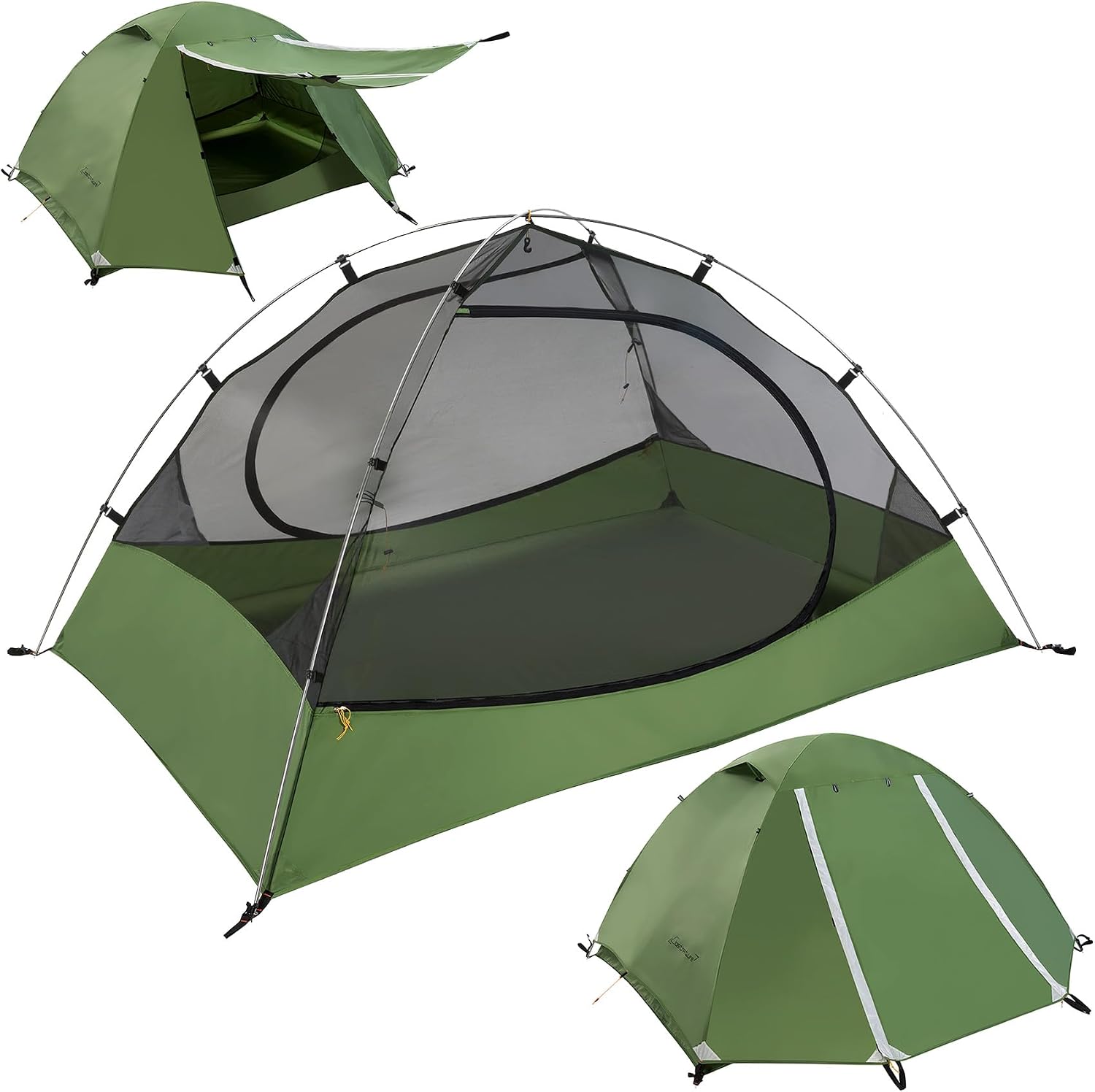
Clostnature 1/1.5/2/3/4/6 Person Lightweight Backpacking Tent
The only true shelter here, works above treeline, in desert, and in treeless campgrounds
Sold in six sizes under one name, and the big sizes are not backpacking tents
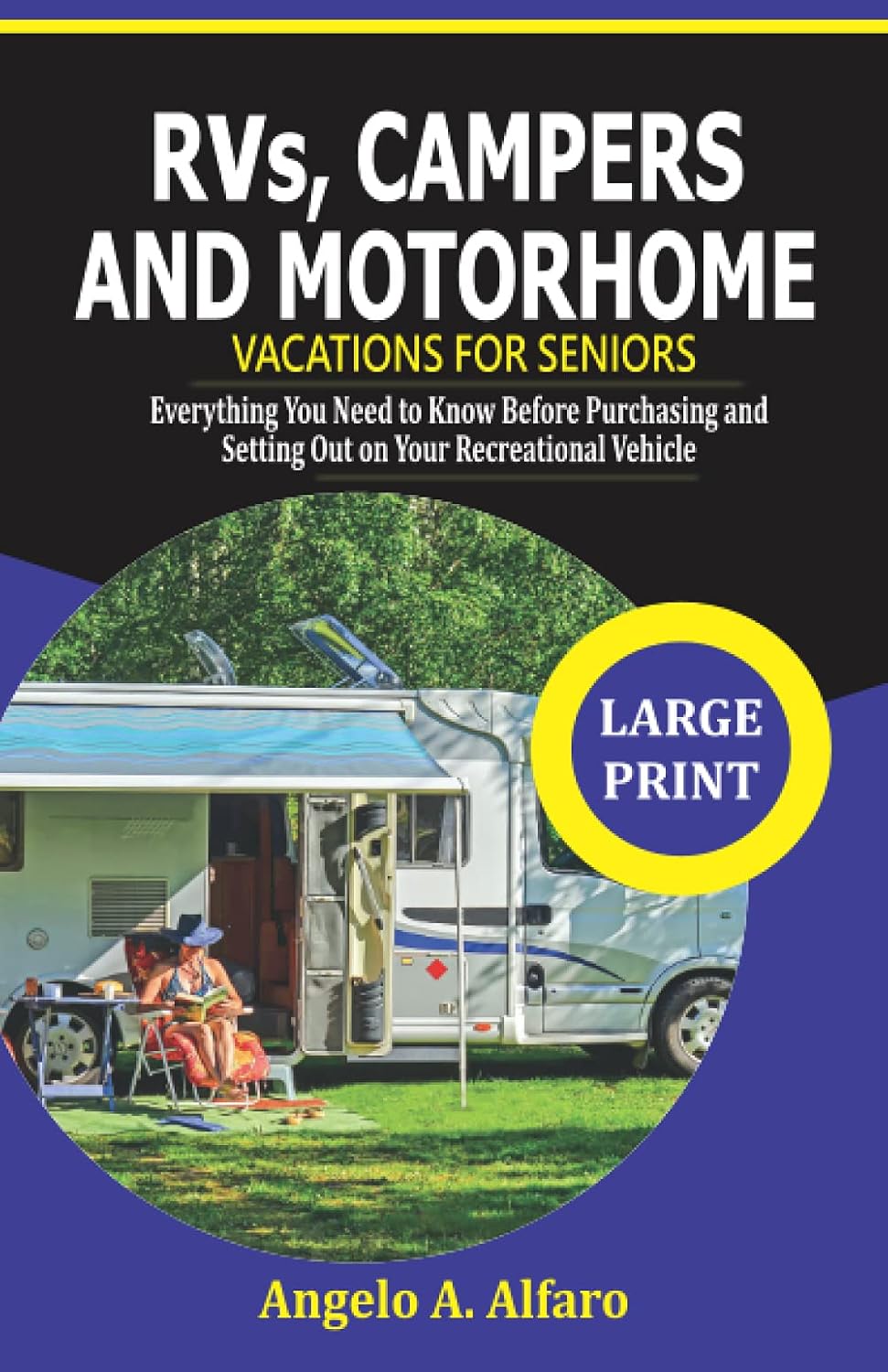
RVs, Campers and Motorhome Vacations For Seniors
Cheapest possible insurance against a five-figure RV mistake
Zero pack weight, and useless if you are committed to a tent
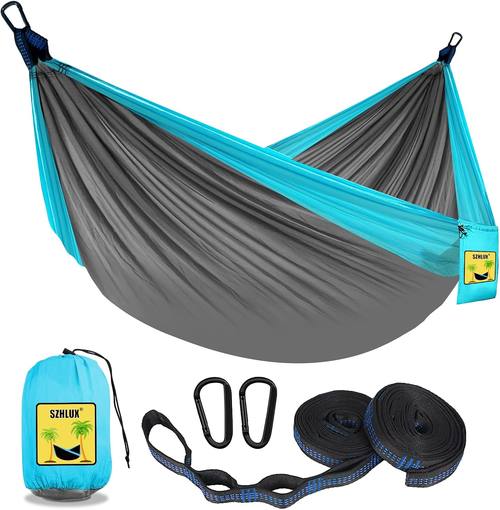
SZHLUX Camping Hammock Double & Single with 2 Tree Straps and Carry Bag
Ground does not matter, double size lets one person sleep flat, straps included
Needs trees, and needs insulation underneath that the listing does not include
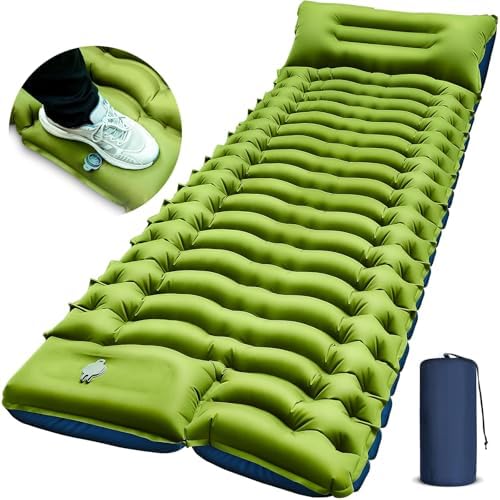
FUN PAC Camping Sleeping Pad, Ultralight Mat with Pillow and Built-in Foot Pump
Foot pump means no breath moisture inside, integrated pillow saves packing one
Ultralight construction trades away warmth and puncture resistance
Prices and availability were captured from Amazon Creators API and may change.
How I judge gear for a trip like this
Four questions decide everything for me, and they have not changed in more than 500 nights outside. Will I actually carry it? Does it survive a storm? Does it still work at mile 12 on day three? Would I trust it on a multi-day trip with no resupply? Notice that none of those questions is about features. A tent with a clever vent design that stays in the car is worth less than a plain tent that comes with me. A pad that is 20 percent lighter and punctures on night two is not lighter, it is just broken sooner.
Weight is not a number on a spec sheet. It is how you feel at mile 12 on day three, and that is the only measurement that has ever changed what I pack. So I compare roles first and specs second.
The tent: Clostnature Lightweight Backpacking Tent
The Clostnature tent is the only shelter in this group, and the name tells you the first thing to sort out. It is sold in 1, 1.5, 2, 3, 4, and 6 person versions under one listing. Treat that number as the real decision, and treat the word lightweight as marketing until you check the packed weight of the exact size you want. A one or two person version is a backpacking shelter. A four or six person version is a basecamp tent that happens to share a name with one. I have watched people buy the six person version because it cost a little more, then leave it at home for every trip where they had to carry it.
A few things I check on any tent before I trust it. Pitch time first, because a tent that takes 20 minutes to set up is a tent you will be sleeping in the rain next to, not inside. Fly coverage second, since the rainfly should cover the body, not just the top. Stakes third, because the included ones are often the first thing to bend. Seam sealing last, and it matters most: factory waterproofing is a promise with an expiration date, and a tube of seam sealer is the cheapest insurance you can buy. If the tent has to be pitched from the inside, meaning you crawl in to clip the poles, that is a design flaw you will notice in a downpour.
The hammock: SZHLUX Double & Single with Tree Straps
The SZHLUX hammock solves a problem a tent cannot: bad ground. Roots, rocks, a slope, a puddle, none of it matters if you are hanging. The double and single options matter more than people expect, because a double lets one person sleep diagonally, which is how you get flat instead of banana-shaped. The two tree straps in the listing are not a throwaway accessory. Straps protect bark, and most public land requires them, so a hammock that ships with suspension is a hammock you can actually use legally.
The trade-offs are real. You need two trees, and above treeline or out in the desert you do not have them. You need insulation underneath you, because a sleeping bag compresses under your body and stops insulating, which means an underquilt or a pad. Add the suspension and a tarp for rain, and the weight advantage over a tent usually disappears. What you gain is comfort and site flexibility. What you lose is the ability to camp anywhere.
The pad: FUN PAC Ultralight Sleeping Pad with Pillow
The FUN PAC sleeping pad is the piece of this kit that decides whether you sleep. It is the single version, with an integrated pillow and a built-in foot pump, which means no lung-powered inflation and no moisture from your breath inside the pad. That matters on cold mornings more than it sounds like it should, because a pad with damp air inside it insulates worse than a dry one.
Two things I would check before buying any pad. First, warmth. If a pad does not publish an R-value, treat it as a summer pad and plan accordingly, because ground pulls heat out of you faster than air does. Second, width. Length gets all the attention, but width is what keeps a side sleeper off the cold ground, and a narrow ultralight pad is a bad trade if you roll at night. Ultralight pads also puncture, so carry a patch kit and accept that the weight you saved came from somewhere.
A pad is not a sleeping bag. It is the layer between you and the cold ground, and it is the last place to save twenty dollars.
The book: RVs, Campers and Motorhome Vacations For Seniors
The fourth item is not gear at all, and I want to be clear about that. This is a planning book for someone considering buying or renting a recreational vehicle, aimed at older travelers who want the logistics sorted before they commit. Licensing, campground types and hookups, budgeting, route planning, and the daily reality of living in a small space are the kinds of questions a guide like this exists to answer. The value is in the decision, not in the pack. One avoided mistake, a rental that turns out to be the wrong size, a rig that turns out to be more vehicle than you want to handle, costs more than the book by a wide margin.
If you already know you are a tent person, skip it. If you are weighing a season on the road with a bed and a bathroom, this is the cheapest first step in that direction, and it weighs nothing in the meantime.
The trade-offs, side by side
Put the four next to each other and the trade-offs come down to weight, site, and money. The tent is the heaviest single item you will carry, and it is the only one of the four that works above treeline, in a desert, or in a campground with no trees at all. The hammock is more comfortable and far more forgiving about ground, but it is limited by trees and it needs insulation you have to buy or carry. The pad is small, cheap, and quietly the most important thing in the kit, because a cold night ruins a trip faster than a heavy pack ever will. The book weighs nothing, carries no risk, and only matters if the RV question is live for you.
Pack volume is the other number people ignore. A tent takes about the space a hammock and tarp take, sometimes less, depending on how the suspension packs down. A pad the size of a water bottle changes how small your whole pack can be, and a bulky pad forces a bigger pack, which adds weight everywhere else. The book takes no volume at all, which is the one category where it wins outright.
On cost, I am not going to quote prices that change with the season. Check the current listing for each of these before you decide, and remember that the cheapest version of a piece of gear is rarely the cheapest trip. A pad that fails on night two, a tent that leaks at the seam, a hammock with no straps, all of them cost more than the upgrade would have.
What I am not claiming
I have not spent 15 nights in each of these specific units, and I am not going to write as if I have. My rule is that gear does not get a verdict from me without a real field trial, and these are current listings rather than equipment I have lived with. What I can tell you is how each one fits the decision, what to verify in the listing, and where the failure points usually show up.
Buy from a seller with a return window. Set the tent up in the yard and hose it down before you trust it. Inflate the pad and leave it overnight to check for slow leaks. Hang the hammock low the first time, and check the straps for wear before every trip. That is a boring checklist, and it is the reason my journal has more good nights than bad ones.
What I would pack first
If you are hiking, buy the pad first, then the shelter. The pad is cheaper, it matters every single night, and it is the one item you cannot improvise with a jacket or a pile of leaves. A tent from the Clostnature line in the one or two person size is the shelter that will cover the most trips for the most people. If your camping happens where trees are legal and plentiful, the hammock is a genuine upgrade in comfort, as long as you budget for insulation underneath. And if your idea of camping now involves a windshield, a coffee maker, and a real mattress, the RV guide is where that decision starts.
Gear does not make the trip. But the wrong gear ends it early, and that is the entire reason this comparison exists.