Related: How to Pick a Tent That Pitches in the Rain
I have spent more than 500 nights in a tent, most of them within a few hours of Bend, Oregon, and the lesson that keeps repeating is simple: the gear you carry is the gear that works. A backpacking tent and camping cooler setup sounds like a contradiction, because in a way it is. One belongs on your back at mile 12 on day 3. The other belongs in the truck next to the folding chairs. Knowing which is which is most of the decision.
This is not a list of everything you could buy. It is four items that cover the trips most people actually take: a shelter that handles bad weather, a lighter shelter for solo weekends, a cooler that survives a long weekend of real cooking, and one small thing that makes a hot night bearable. Each one earns its place for a different reason, and almost none of them earns it for the reason the product page leads with.
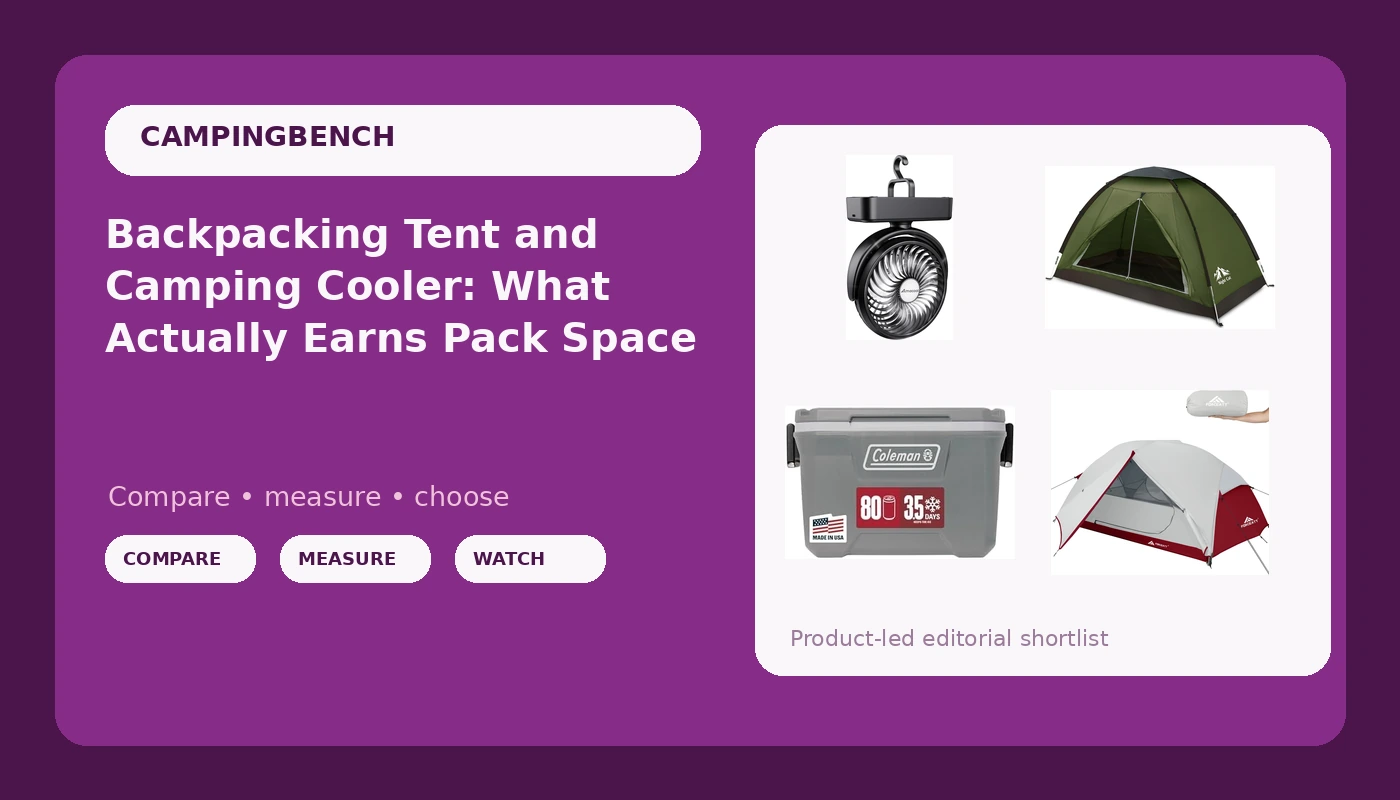
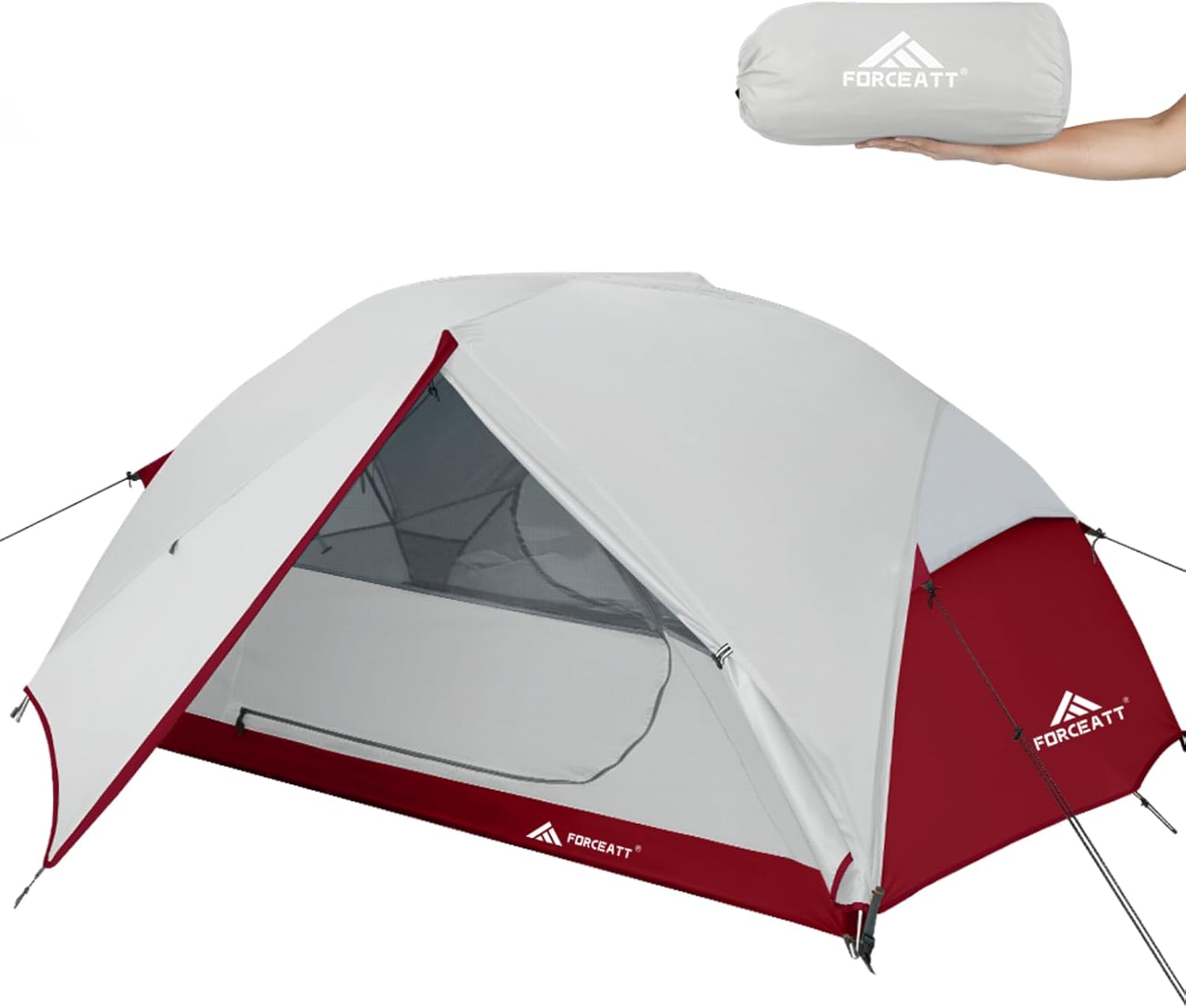
Best Overall: Forceatt Tent for 2 and 3 Person
A two to three person tent with aluminum poles and a three to four season rating is the closest thing to one shelter that covers most of the year. That combination is why this is the first tent I would put in front of someone who is tired of owning three of them.
Aluminum poles are not a marketing detail. They flex under wind load instead of shattering the way cheap fiberglass does, and a bent pole can be splinted and walked out. That matters on the trip where the weather turns and the forecast was wrong, which is most trips.
A three to four season rating means the tent is built to shed weather and hold its shape in wind better than a mesh heavy summer shelter. The trade is ventilation and packed weight. A tent that blocks weather also blocks airflow, so you manage condensation instead of ignoring it. If you only camp in July and August at low elevation, you are paying for protection you will not use, and a summer tent will be lighter and airier.
Pitch time is the third thing, and it is the one people underestimate. A tent that takes twenty minutes to set up is a tent you will end up sleeping in the rain next to. Fast setup is worth more than any feature on the spec sheet, because the storm does not wait for you to finish reading the instructions.
Who it fits: two people with gear, or one person who wants room to move and a dry place to sit out a front. Shoulder season, above treeline, wind exposed campsites. If your trips look like that, this is the shelter.
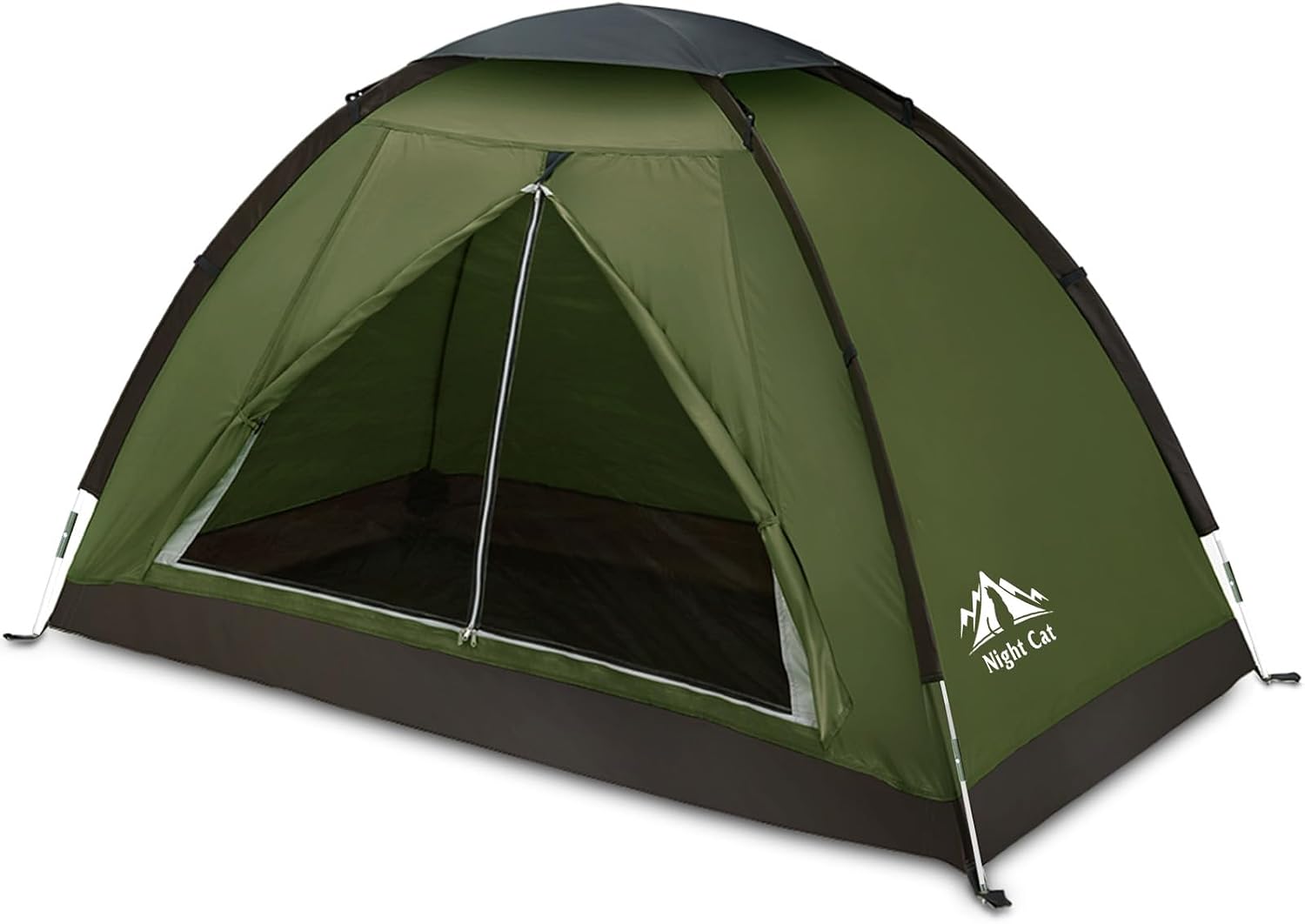
Best Value: Night Cat Backpacking Tent for One 1 to 2 Persons
Single layer, lightweight, and simple. Those three words describe the whole tent, and they also describe the trade you are making.
A single layer tent means no separate fly, which means fewer parts, a faster pitch, and less material to carry. It also means condensation is your problem, not the tent's. Vent it, pitch it so the low side faces the wind, and do not breathe into a sealed box all night. If you have slept in a single wall shelter before, you know the drill. If you have not, this is a forgiving place to learn it.
The one to two person size is honest. One person and a pack fit comfortably. Two people fit if they like each other and travel light. This is the tent I would hand a first time backpacker, a scout, or anyone doing fair weather weekend trips, because it removes the two things that make people quit backpacking: heavy loads and complicated setups.
What it is not: a four season shelter. Do not take it into a November storm above treeline and expect mountaineering behavior. That is not what you are buying. What you are buying is a light, simple, waterproof shelter for the trips where the view matters more than the forecast.
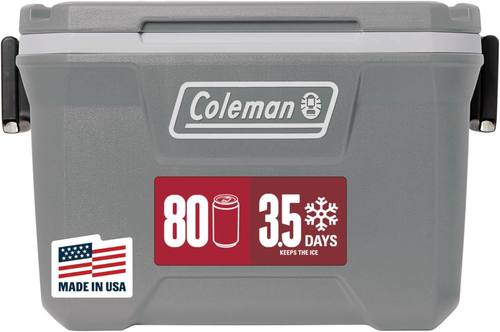
Best for Base Camp: Coleman Classic Series Insulated Portable Cooler
The cooler is the piece of gear that decides whether a car camping weekend feels like camping or like punishment. Ice that dies on day one turns every meal into a scramble. This is a hard sided insulated cooler with a leak resistant design, and Coleman rates it to keep ice up to five days across the 52, 70, 120, and 150 quart sizes.
Treat that five day number the way you treat every cooler claim: it is a best case, and the best case requires a plan. Pre chill the cooler, pre chill what goes into it, keep it out of the sun, and keep the lid closed. Do that and a long weekend is easy. Fill it with warm drinks on a sunny tailgate and no cooler on earth will save you.
The hard sided design is exactly why this belongs at base camp and not on your back. It is heavy, it is bulky, and it doubles as a bench, a table, and a windbreak. For a family site, a river trip with a vehicle shuttle, or a long weekend where you cook actual food, that trade is worth it every time.
Best Small Luxury: AMACOOL Portable Camping Fan with LED Lantern
This is the item people skip and then wish they had not. A rechargeable fan with a built in LED lantern and a rated 40 hour work time solves two problems at once: still air in a tent on a hot night, and light after dark without draining a headlamp battery.
Air movement is the difference between a July night in a tent and a July night in an oven. A fan does not cool the air, it moves it, and moving air across your skin is what makes sleep possible when the temperature refuses to drop.
The lantern half matters more than it sounds. One light source that does not need disposable batteries and does not live on your head means you stop juggling a headlamp between cooking, reading, and finding the tent zipper. Rechargeable means the cost of light is a charging cable instead of a drawer full of dead batteries.
The honest trade: it is one more thing to carry and one more battery to charge. On a long backpacking trip, it stays home. On a car camping weekend, a base camp, or a hot weather trip where you are sleeping in a tent anyway, it earns its space.
How I judge gear like this
Four questions, every time. Will I actually carry it? Does it survive a storm? Does it work at mile 12 on day 3? Would I trust it on a multi day trip? Everything below comes back to those.
Waterproofing is a promise that expires. Seam sealing is the real test, and seams are where tents fail first. Taped seams help, but keep a tube of seam sealer in the repair kit and redo the high wear areas after a season of hard use. A tent that has never been sealed is a tent with a countdown timer on it.
Weight is not a number. It is how you feel at mile 12 on day 3. A shelter that is a pound heavier is fine on a two mile hike to a lake and miserable on a fifteen mile day. Decide which trip you are actually taking before you decide which number matters.
Pitch time is the tiebreaker. In a storm, it is the difference between dry and miserable, and it is the one spec nobody advertises. Practice the pitch at home, in the yard, before you need it in the dark.
And comfort versus weight is a real trade, not a failure. The trick is knowing which trip needs which. That is the whole skill.
The trip planning reference table
This is the table I keep in my gear journal. Each row is one item, what it does on a trip, and where it belongs. If you are building a setup from scratch, work down the column that matches the trips you actually take.
| Item | Role on the trip | Best for | Where it lives | Why it earns its place |
|---|---|---|---|---|
 Visit on Amazon → Forceatt Tent for 2 and 3 Person |
Primary shelter | Two people plus gear, or one person with room | On your back | Aluminum poles, three to four season build, fast pitch |
 Visit on Amazon → Night Cat Backpacking Tent |
Light solo shelter | Solo trips, fair weather, first backpacking tent | On your back | Single layer, quick setup, simple shape |
 Visit on Amazon → Coleman Classic Series Insulated Portable Cooler |
Food and ice base | Car camping, long weekends, group trips | In the truck | Hard sided, leak resistant, keeps ice up to five days |
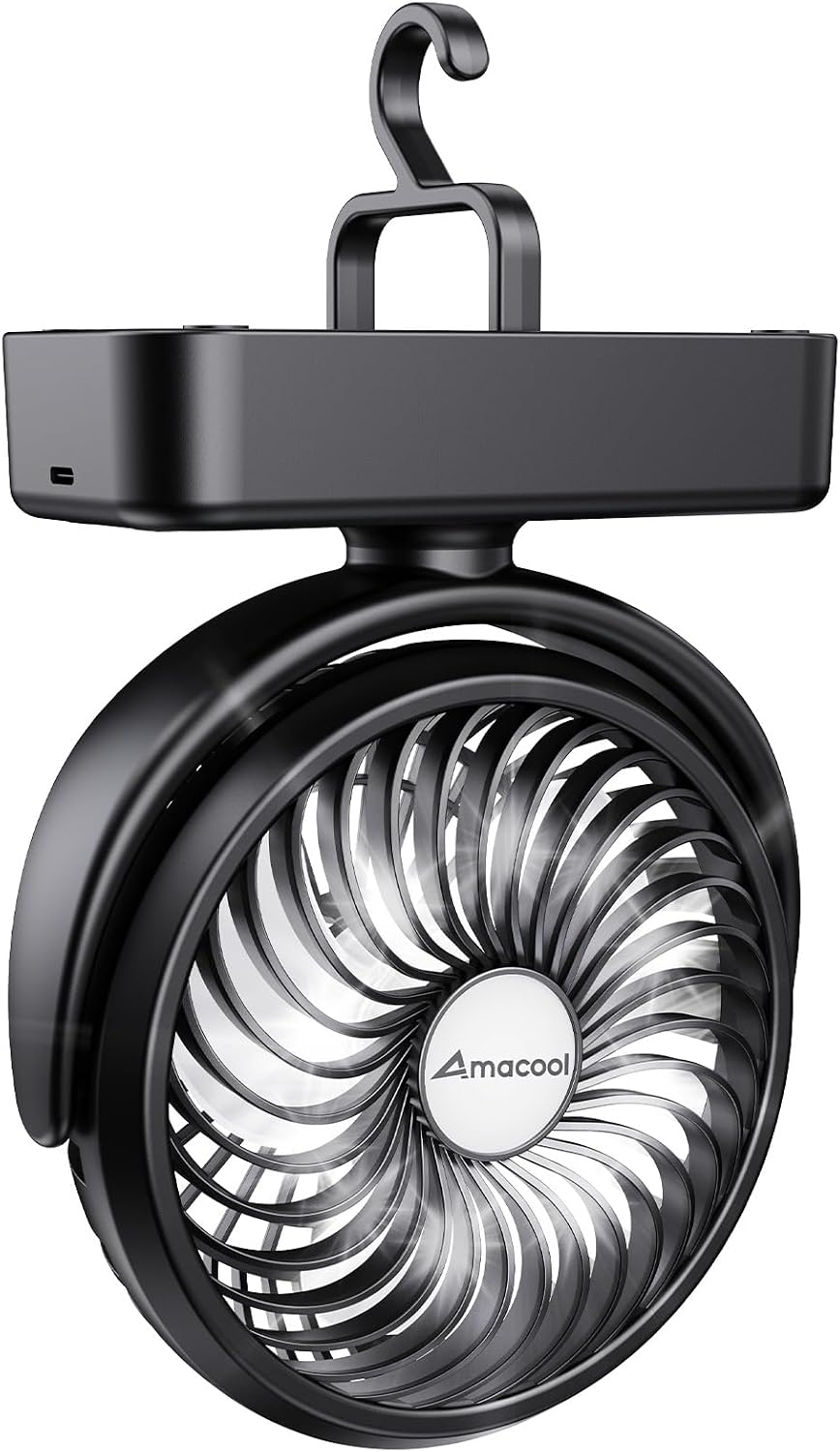 Visit on Amazon → AMACOOL Portable Camping Fan with LED Lantern |
Air movement and light | Hot nights, base camp, van camping | In the tote | Rechargeable, rated 40 hour work time, built in lantern |
Car camping and backpacking are two different sports
The fastest way to ruin a backpacking trip is to pack for car camping, and the fastest way to ruin a car camping weekend is to pretend you are backpacking. The cooler does not go on your back. The fan does not go on a thru hike. The tent does not stay in the garage because it is heavy.
Pick the trip first, then the gear. A base weight that works for a fifteen mile day is not the same kit that works for a family site with a picnic table, and pretending otherwise is how people end up with a forty pound pack they never carry again.
Should you buy the Forceatt Tent for 2 and 3 Person?
Yes, if your trips include shoulder season, exposed campsites, and weather that does not read the forecast. Aluminum poles flex instead of shattering, the three to four season build sheds weather better than a mesh summer shelter, and the fast pitch matters more than anything printed on the box. The trade is weight and ventilation. If you camp only in July at low elevation, buy the lighter tent instead.
Should you buy the Night Cat Backpacking Tent?
Yes, if you want a light, simple, single layer shelter for solo or fair weather trips. Fewer parts, a faster pitch, less to carry, and a forgiving place to learn how single wall tents handle condensation. It is not a four season shelter, and it will not pretend to be one. For a first backpacking tent or a solo weekend tent, it is the easy call.
Should you buy the Coleman Classic Series Insulated Portable Cooler?
Yes, for base camp. It is hard sided, leak resistant, and rated to keep ice up to five days, which is a best case that requires pre chilling everything and keeping the lid shut. It is heavy and bulky, and that is exactly why it belongs in the truck. For a fixed camp and real cooking, nothing else in this list does more work.
Should you buy the AMACOOL Portable Camping Fan with LED Lantern?
Yes, for car camping, base camp, and hot weather trips. Moving air across your skin is what makes sleep possible on a warm night, and a rechargeable light that is not strapped to your head means one less juggling act after dark. On a long backpacking trip, leave it home. On a July weekend at a drive in site, you will be glad it is in the tote.