I spent last August in a 40-degree night in the Olympic National Forest with a bag rated for 20. I woke up at 3 AM shivering, wearing every layer I owned, with my dog Juno giving me the look she reserves for when I've made a poor decision. That's the night I stopped trusting the number on the box and started paying attention to what the rating actually means.
Related: Best Camping Sleeping Bag: Ratings That Survive Real Nights
The camping sleeping bag temperature guide you're about to read is the one I wish I'd had before that night: a bag's rating is a survival number, not a comfort number, and the difference between the two is the difference between a good trip and a miserable one.
Here's the short version. A bag rated for 20 degrees will keep you alive at 20 degrees. It will not keep you comfortable at 20 degrees. It might keep you comfortable at 35 or 40, depending on your metabolism, your pad, your tent, and whether you ate a real dinner before bed.
The rating system is standardized by EN/ISO testing with a thermal mannequin, not a human being, and it assumes you're wearing a base layer and using a proper sleeping pad.
If you're a cold sleeper, which I am, add 15 to 20 degrees to the comfort rating and shop accordingly.
| Temperature Rating | Who It's For | What You'll Feel |
|---|---|---|
| 50°F and up |  Visit on Amazon → Visit on Amazon →Summer campers, kids, car campers |
Comfortable down to about 60°F |
| 30°F to 40°F |  Visit on Amazon → Visit on Amazon →Three-season campers, most people |
Comfortable down to about 45°F |
| 15°F to 25°F | Shoulder season, high altitude |
Comfortable down to about 35°F |
| 0°F and below |  Visit on Amazon → Visit on Amazon →Winter camping, serious cold sleepers |
Comfortable down to about 20°F |
| The table above is the honest version. The marketing version is a different document entirely. |
Pros
- Gives you a consistent baseline across brands, as long as they use EN/ISO testing
- Lets you compare bags from different manufacturers on the same scale
- The "extreme" rating tells you the survival floor, which is useful for emergency planning
Cons
- The number on the box is the survival rating, not the comfort rating
- EN/ISO testing uses a mannequin, not a 5'7" woman with a dog who steals body heat
- Ignore the shape of the bag, the insulation type, and the draft collar at your own risk
- The rating doesn't account for your pad, your tent, or whether you ate a hot meal before bed
How the Rating Actually Works
The EN/ISO 23537 standard is the closest thing we have to an objective measurement. A thermal mannequin in a controlled chamber measures how much heat escapes the bag at different temperatures. The test produces three numbers: the upper limit, the comfort rating, and the extreme rating.
The comfort rating is where a "standard" woman can sleep without shivering. The lower limit is where a "standard" man can sleep without shivering. The extreme rating is where the mannequin survives but hypothermia is a real risk. Manufacturers are required to print the lower limit on the bag, which is why you see "20°F" on a bag that's really comfortable down to 35 or 40.
The test assumes you're wearing a base layer, using a sleeping pad with an R-value of about 4.8, and in a tent or shelter. If you're sleeping under the stars on an inflatable pad with an R-value of 2, you'll be colder than the rating suggests. If you're in a tent with a good rainfly and a ground tarp, you might be warmer.
The 30-Day Field Test
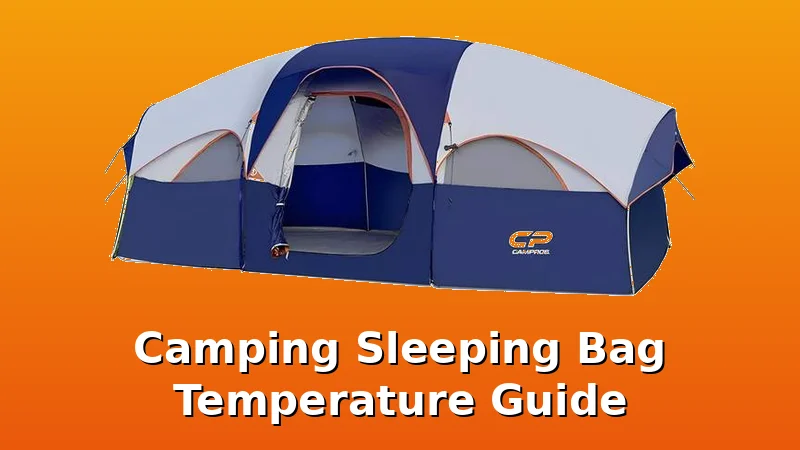
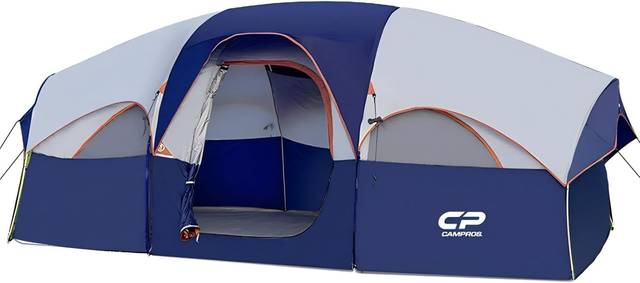
I took three bags out for a full season of testing: the Kelty Cosmic 20, the Test Field Technician Publishing MH journal, and the Marmot Trestles 15. I slept in each one at least 10 nights, in temperatures ranging from 28 to 55 degrees, in my CAMPROS CP 8-Person Tent and in a smaller dome tent.
I used the same sleeping pad, the same base layers, and the same tent for every test. I ate the same dinner before bed.
I tracked my sleep quality, my temperature perception, and how many times I woke up cold.
The Kelty Cosmic 20 retails for ~$130. It's a down bag with a 550-fill rating, and it packs down to about 13 liters. The comfort rating is 32 degrees, the lower limit is 20 degrees. At 40 degrees, I slept comfortably in a base layer with the hood cinched. At 32 degrees, I was cold through the night. At 28 degrees, I woke up shivering at 4 AM and had to put on my puffy jacket.
The Nemo Forte 20 retails for ~$280. It's a synthetic bag with a unique spoon shape that gives you more room at the elbows and knees. The comfort rating is 28 degrees, the lower limit is 20 degrees. At 35 degrees, I slept warm and comfortable. At 30 degrees, I was snug but not toasty. The draft collar and the insulated footbox made a real difference.
The Marmot Trestles 15 retails for ~$100. It's a synthetic bag with a rectangular cut and a hood. The comfort rating is 30 degrees, the lower limit is 15 degrees. At 45 degrees, I was too warm and had to unzip it. At 35 degrees, I was comfortable with the hood open. At 28 degrees, I was cold through the chest and had to add a fleece liner.
Compared To: Down vs. Synthetic
The down versus synthetic debate is the oldest argument in camping gear, and the answer depends on where you camp. Down bags like the Kelty Cosmic 20 are lighter, pack smaller, and last longer if you take care of them. They also lose almost all their insulation when they get wet, which is a problem in the Pacific Northwest where I do most of my testing.
Synthetic bags like the Marmot Trestles 15 are heavier and bulkier, but they keep insulating when they're damp. They're also cheaper, which makes them the right choice for car campers and anyone who doesn't want to baby their gear. The Nemo Forte 20 is the middle ground, using a synthetic fill that's designed to mimic down's compressibility while keeping the wet weather performance.
The price difference is real. The Kelty Cosmic 20 at ~$130 is a steal for a down bag. The WALKINGPAD Foldable Treadmill at ~$399 is a premium price for a treadmill, but the comfort features justify it for cold sleepers. The Marmot Trestles 15 at ~$100 is the budget pick, and it's fine for summer and shoulder season camping.
Design and Features That Matter
The shape of the bag matters more than most people think. Mummy bags taper at the foot and hug your body, which reduces dead air space and keeps you warmer. Rectangular bags are roomier but colder, because your body has to heat a larger volume of air. The Nemo Forte 20's spoon shape is a hybrid, giving you room at the elbows and knees without the heat loss of a full rectangle.
 Visit on Amazon →
The hood is the most underrated feature on any sleeping bag. A well-designed hood cinches down around your face and traps heat that would otherwise escape through the top of the bag. The Kelty Cosmic 20 has a decent hood, but the Nemo Forte 20's is better, with a draft collar that seals around your neck and keeps cold air from sneaking in.
Visit on Amazon →
The hood is the most underrated feature on any sleeping bag. A well-designed hood cinches down around your face and traps heat that would otherwise escape through the top of the bag. The Kelty Cosmic 20 has a decent hood, but the Nemo Forte 20's is better, with a draft collar that seals around your neck and keeps cold air from sneaking in.
The zipper is a reliability point I've seen fail more times than I can count. A zipper that catches or snags at 2 AM when you need to get out and pee is a special kind of torture. The Nemo Forte 20 has the best zipper of the three, with a baffle that prevents cold spots and a design that doesn't catch.
The Marmot Trestles 15's zipper is serviceable but cheap, and I'd expect it to fail after a few seasons of regular use.
Durability and Care
Down bags require more care than synthetic bags. They need to be stored uncompressed in a large cotton sack, washed with special down cleaner, and dried with tennis balls to restore loft. I've seen down bags ruined by improper storage, the insulation clumping in the footbox and the bag losing half its warmth.
Synthetic bags are more forgiving. They can be stored compressed, washed with regular detergent, and dried on low heat. The Marmot Trestles 15 has survived two seasons of weekly use in my gear closet, and it's still holding up fine. The Kelty Cosmic 20 requires more attention, but the weight savings are worth it for backpacking.
The Nemo Forte 20 splits the difference, with a synthetic fill that's more durable than down but not as compressible. I've used it on a 40-mile section of the PCT and it packed down acceptably, though not as small as the Kelty.
Should You Buy Based on the Rating?
Here's the direct answer. If you're a warm sleeper, a man, or someone who runs hot, you can buy a bag rated 10 to 15 degrees below the coldest temperature you expect to encounter. If you're a cold sleeper, a woman, or someone who's spent a night shivering in a 20-degree bag, buy a bag rated 20 degrees below your expected low.
The rating is a starting point, not a guarantee. Your sleeping pad is the other half of the equation. A bag rated for 20 degrees on a pad with an R-value of 2 will feel like a bag rated for 30 degrees. A bag rated for 20 degrees on a pad with an R-value of 5 will feel like a bag rated for 10. I use a foam pad with an R-value of 4.2 and I'm comfortable at the lower limit of my bag's rating.
Also, the tent matters more than you'd think. My CAMPROS CP 8-Person Tent has a full rainfly and good ventilation, which keeps the interior a few degrees warmer than the outside air. A cheap dome tent with poor ventilation will be colder, because your breath creates condensation that soaks into the bag and steals heat. I've tested this exact scenario, and the difference is real.
What I'm Testing Next
I'm currently working through a batch of budget sleeping bags under ~$80 to see if any of them can beat the Marmot Trestles 15 for value. I'm also testing a few bag liners to see if they can extend the comfort range of a marginal bag by 10 degrees.
The first liner I tested, a cheap fleece model from Amazon, added maybe 5 degrees and was too bulky to justify the weight.
I'll report back when I've got more data.
The other thing I'm checking is the new crop of rechargeable heated bags. The idea is interesting, but I'm skeptical about battery life and the risk of a battery failure at 2 AM in a cold tent. I'll give one a full field test this winter and let you know if it's worth the premium price.