I have slept more than 500 nights in tents. Some of those nights were on the Pacific Crest Trail in 2022, a lot of them were on patrol in the Cascades as a park ranger, and at least a dozen were in a Bend driveway because I got home late and could not face the last 40 feet to the front door. That is the lens I bring to lightweight solo camping tents. Not how a shelter looks in a product photo, but what it feels like at mile 12 on day three, and what it does when the rain arrives sideways at 2 a.m.
This comparison covers three very different shelters and one piece of furniture that has no business in a tent roundup until you remember that a camp chair is the difference between a trip you enjoy and a trip you endure. Two of these are true backpacking designs. One is an instant pop-up. The fourth is a folding rocker, and I am including it on purpose, because the best gear is the gear you actually carry and use, and a chair at the end of a long day earns its space in the truck.
The best pick for most solo campers in 2026 is the Naturehike Cloud Up 1 Person Tent, because it is the only shelter here built around how a solo trip actually works. You carry it, you pitch it alone, and you sleep in it. If you camp next to a vehicle and want the fastest setup on this list, the Night Cat pop-up is the better answer. If you want two sleepers and the lowest entry point, the Wakeman two-person tent is the budget option. And if you have ever sat on cold ground at a campsite and wished you had not, the GCI Outdoor Comfort Pro Rocker is the purchase that changes the most evenings per dollar.
That is the short version. The long version is about pitch time, seam sealing, and why a tent that takes 20 minutes to set up is a tent you will end up sleeping next to in the rain.
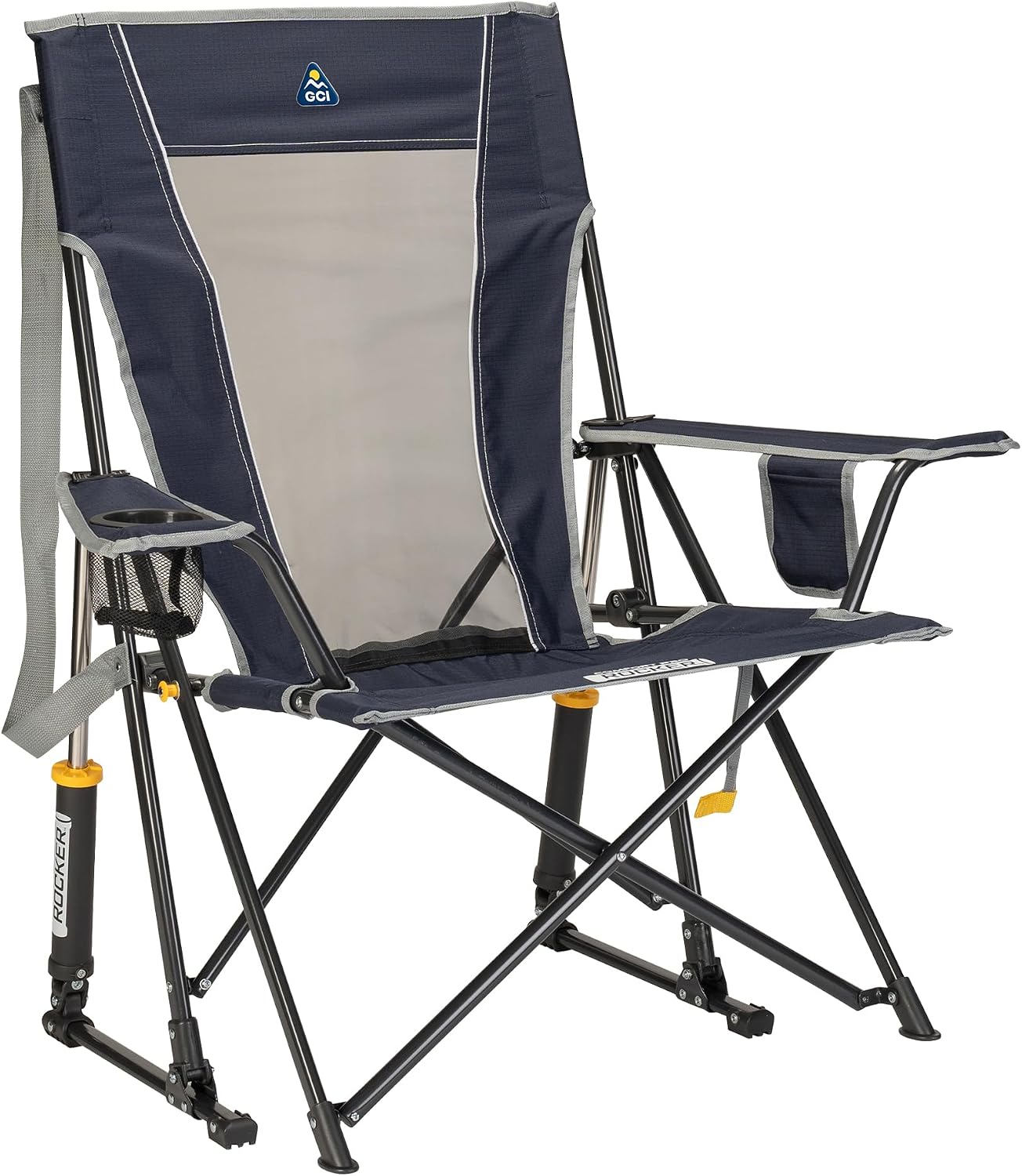
GCI Outdoor Comfort Pro Rocker Camping Chair - Indigo Blue
The comfort upgrade that pays off every single evening of a car-camping trip
It is furniture, not shelter, and it has no place in a backpack
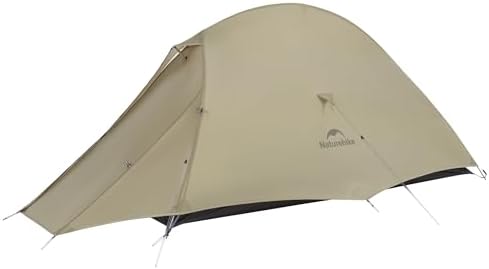
Naturehike Cloud Up 1 Person Tent, Lightweight Backpacking Tents for One Man, Waterproof Ultralight One Person Tent for Camping Hiking Backpacking
The best weight-to-livability trade in this group, and the only one designed to be carried
One person means one person, and there is no room for a second sleeper
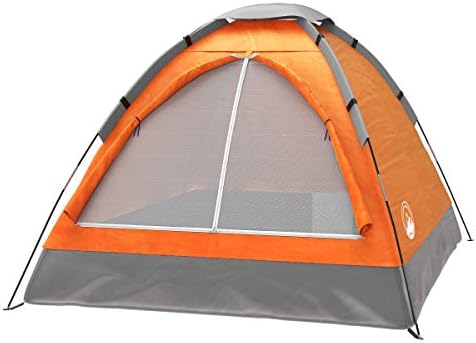
2 Person Camping Tent with Rain Fly and Carrying Bag, Lightweight Outdoor Pop Up Tents for Camping Essentials, Music Festivals, Backpacking, Hiking, or Beach Shelter by Wakeman Outdoors
Two sleepers, a rain fly, and a bag for the lowest entry point here
The pop-up shape and the two-person footprint make it a car tent, not a trail tent
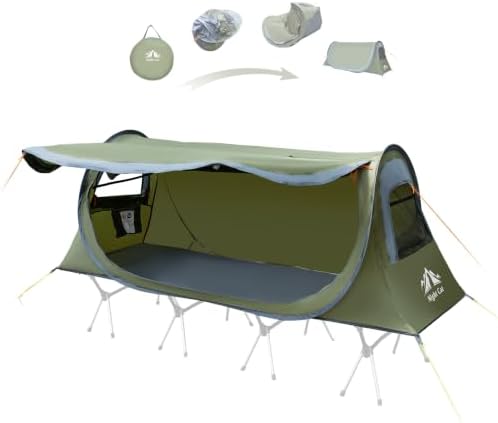
Night Cat Pop-up Camping Tent: 1 Person Tent Waterproof Instant Easy Setup Tunnel Tent Fits for Camping Cot (Excluded)
Fastest pitch of the four, and the cot compatibility is a genuinely useful feature
Built around a cot, so it is a base-camp shelter rather than a backpacking one
Prices and availability were captured from Amazon Creators API and may change.
How I judge a shelter before I trust it
Three things decide whether a tent stays in my rotation. I apply all three to every shelter in this comparison.
Pitch time. A tent that takes 20 minutes to pitch is a tent you will sleep in the rain next to. I do not care how clever the pole geometry is if I am standing in a downpour reading a diagram. Two of these four are instant setups by design, and that is not a gimmick. It is a feature that matters most on the nights when the weather turns faster than the forecast promised.
Seam sealing. Waterproofing is a promise that expires. Factory sealing is a starting point, not a finish line. Every shelter here is advertised as waterproof, and every one of them will eventually need attention along the seams. The rain fly on the Wakeman tent and the coated fabrics on the Naturehike and Night Cat designs all buy you time. None of them buys you forever.
Base weight, which is the number that decides the trip. Everything in your pack except food, water, and fuel. A shelter that is light on a spec sheet but awkward on your back is not light. That is the difference between these four products, and it is why one of them belongs on a thru-hike and the others belong in a vehicle.
Naturehike Cloud Up 1: the one built for the trail
If you are buying one shelter from this list and you plan to walk anywhere with it, this is the pick. The Cloud Up 1 is designed as a lightweight backpacking tent for one person, and the design language is honest about that: one sleeper, a waterproof fly, a compact package. Nothing about it pretends to be a family tent.
The advantage of a true one-person backpacking tent is that every decision inside it serves the person carrying it. The floor plan is sized for a sleeping pad and a body. The fly covers what needs covering. There is no wasted volume, which is exactly what you want when you are the one hauling the weight up a switchback at mile 12 on day three.
The honest criticism is the same as the praise. One person means one person. There is no room for a second sleeper, no room for a dog, and on a rainy rest day the interior gets small fast. If you want to sit up and play cards with a friend, this is not the shelter for that. If you want to walk into the backcountry and sleep well, it is the best answer in this group. Visit on Amazon → to see the current configuration and check current Amazon price.
Night Cat pop-up: the fastest pitch on the list
The Night Cat is an instant tunnel tent for one person, and it is the shelter I would hand to someone who has never pitched a tent in their life. Pop-up designs trade packed size and elegance for setup speed, and for a lot of campers that is the correct trade. You arrive, you shake it out, and you are done.
The detail I keep coming back to is the cot compatibility. A tunnel tent sized to fit over a camping cot is solving a real problem for base-camp camping, car camping, and anyone who has decided that sleeping on the ground is over. That is a specific use case, and it is served well here.
Where it loses is portability and shape. A tunnel tent that fits a cot is not a shelter you want to strap to a backpack for a multi-day trip, and the cot is not included, so factor that into the setup if the cot is the whole reason you are looking at this one. For a festival, a car camp, or a base camp where the vehicle carries the load, it is the easiest pitch of the four. Visit on Amazon → if instant setup is your priority.
Wakeman Outdoors two-person tent: the budget shelter
This is the lowest entry point in the comparison, and it comes with the two things a first tent actually needs: a rain fly and a carrying bag. The Wakeman tent is a pop-up design for two people, marketed for camping, festivals, backpacking, hiking, and beach shelter. That list tells you what it is: a general-purpose shelter for people who want to sleep outside without spending much.
For festivals and fair-weather car camping, it does the job. Two people, a fly for the worst of the weather, a bag so it stays contained in the trunk. For a first camping trip with kids, it removes almost every barrier to entry, and removing barriers is underrated. The best gear is the gear you actually use.
My criticism is the "backpacking" label. A two-person pop-up tent is a car-camping tent in a backpacking costume, and I say that as someone who has watched too many people carry too much weight on their first overnight trip. Pack weight is not a number on a listing. It is how you feel at mile 12 on day three. If your trip involves a parking lot within sight of your campsite, buy this one and put the savings toward a better sleeping pad. If your trip involves a trailhead and a map, buy the Naturehike instead. Visit on Amazon → to check the current listing.
GCI Outdoor Comfort Pro Rocker: the chair that changes the evening
I am the person who tells people to cut grams, so let me be consistent: this chair does not belong on your back. It belongs in your truck, and if it is in your truck, it will be the piece of gear you use most on every single trip.
The Comfort Pro Rocker is a folding rocker in Indigo Blue, built for campsite comfort rather than trail weight. Sitting on the ground is fine until it is not, and the difference between a good evening at camp and a long one is often just whether you have somewhere to sit that supports your back. A rocker adds motion to that, which sounds like a small thing until you have spent a day hiking and want your shoulders to stop complaining.
The trade-off is obvious and I will not soften it. It is furniture. It does not shelter you, it does not keep you warm, and it does not go in a pack. What it does is make the hours before sleep better, and on a car-camping trip those hours are most of the trip. Visit on Amazon → to see it, and check current Amazon price before you decide.
The trade-offs nobody puts on the box
Here is the pattern across all four products. The two instant pop-up shelters win on pitch time and lose on packability. The backpacking tent wins on packability and loses on interior volume. The chair wins on comfort and loses on everything related to carrying it.
That is not a flaw in the products. It is a flaw in how people shop. Someone reads "lightweight" on a two-person pop-up and assumes it is a backpacking tent. Someone buys an ultralight one-person shelter and then discovers they want to sit up and read at night. Someone refuses to buy a chair for years and then wonders why camp never feels relaxing.
Match the gear to the trip, not the trip to the gear. A festival weekend, a base camp with a cot, a solo overnight on a ridgeline, and a family car-camping trip are four different problems. The good news is that this list covers all four without overlap.
What 500 nights taught me about shelter specs
I do not quote numbers I cannot verify, and I would rather give you a rule than a figure. So here is the rule: the shelter that keeps you dry is the one you sealed, pitched correctly, and did not overstuff with two people and a wet dog.
Waterproofing fails at the seams first, then at the zippers, then at the floor where your knees press into the fabric. Every one of these tents will hold up to a normal storm when it is new and pitched with the fly tensioned properly. None of them is a permanent promise. Re-seal the seams once a season, dry the tent fully before you store it, and never pack it wet for more than a day. Those three habits matter more than any fabric rating.
The other rule is about weight, and it is the one I repeat to everyone who asks. The best gear is the gear you actually carry. A four-pound tent that stays in the garage protects nobody. A shelter you are happy to strap on at 6 a.m. is worth more than a lighter one you resent. That is the test I use, and it is the test I would apply to every product on this page.
What I am testing next
I have a two-person backpacking comparison running right now, four shelters, 30 days each, and a rain test that would make a few manufacturers nervous. The question I am chasing is whether a two-person tent can be light enough to carry solo without giving up the room that makes it worth carrying. I will have field notes on pitch time, seam behavior, and how each one handles a night of sideways rain.
The other thing on my bench is a pack-weight audit of everything I recommend for a three-day solo trip, including the shelter, the pad, and the chair that stays in the truck. The chair is staying in the truck. That is not a contradiction. It is knowing which trips need which gear, and that is the whole skill.