Most camping kits get assembled in the wrong order. The tent gets the budget, the sleeping pad gets whatever is left over, and the sleeping bag gets chosen by the temperature number printed on the stuff sack. Then the first genuinely cold night arrives, the ground pulls heat out of a body for eight straight hours, and the shelter turns out to be the least important part of the setup. This guide treats camping tents and sleeping gear as one connected system: shelter overhead, insulation beneath you, insulation over you, and the basecamp extras that make a vehicle trip comfortable. The six products below span a solo backpacking overnight to a family weekend with the car parked twenty feet from the tent, and the comparison stays on the details that actually change how a trip feels.
Related: How Sleeping Pad Insulation Actually Works
Quick answer
The JELUCAMP 1/2/4/6 Person Dome Tents for Camping Lightweight Backpacking Tent is the strongest fit for mixed trips where one shelter has to cover a solo overnight and a small group weekend, because the same dome design is offered in 1, 2, 4, and 6 person configurations, so the footprint can be matched to the trip instead of the other way around. Choose the UNP 6 Person Tents for Camping Waterproof Family Cabin Tent with Rainfly instead when the trip is vehicle-based family camping and interior room and headroom matter more than packed size.
Camping tents and sleeping gear worth comparing
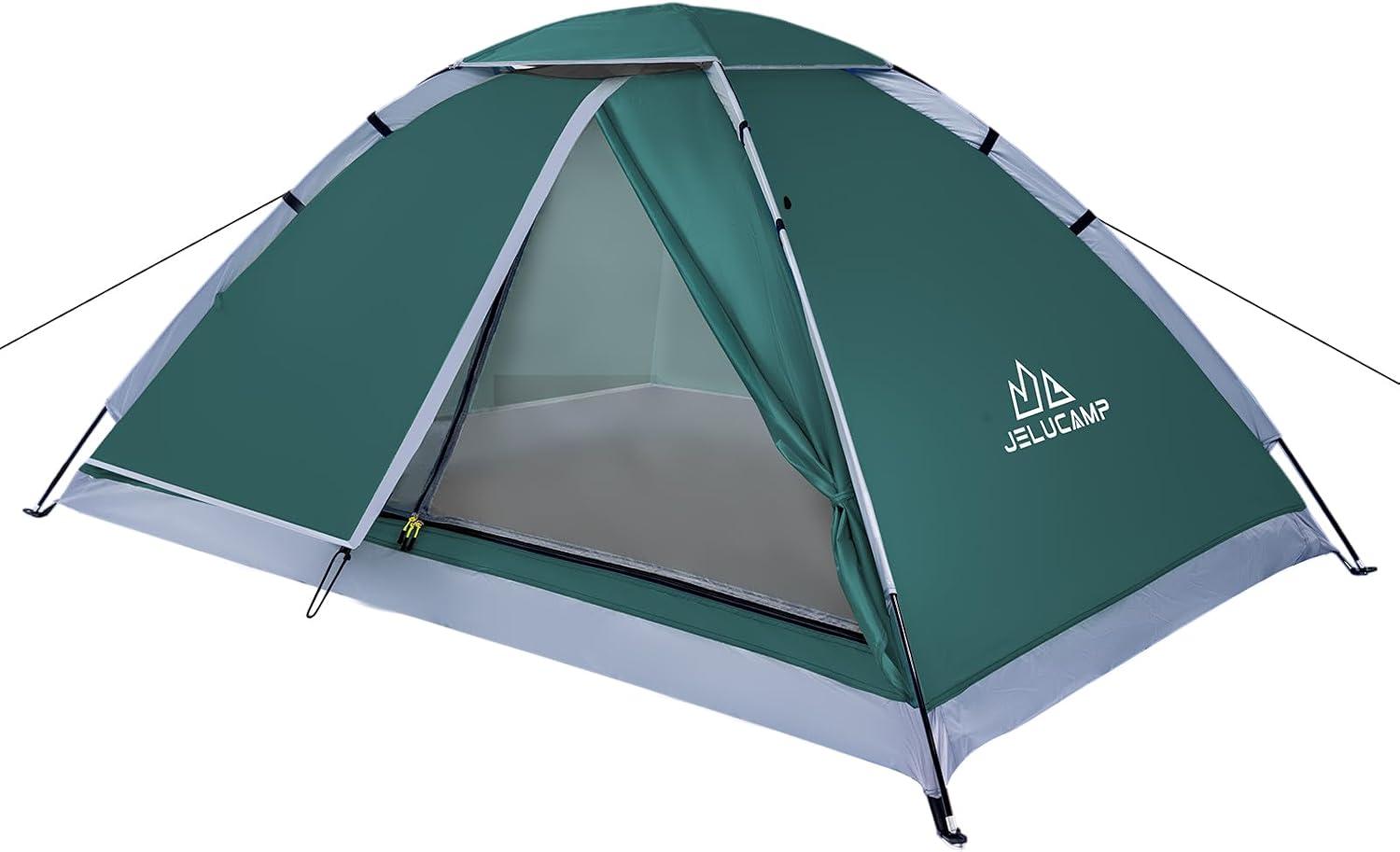
JELUCAMP 1/2/4/6 Person Dome Tents for Camping Lightweight Backpacking Tent
A dome tent line offered in 1, 2, 4, and 6 person configurations, so one design family can serve a solo backpacking night or a group weekend. The lightweight, backpacking-oriented build makes it the most flexible shelter in this group.
Visit on Amazon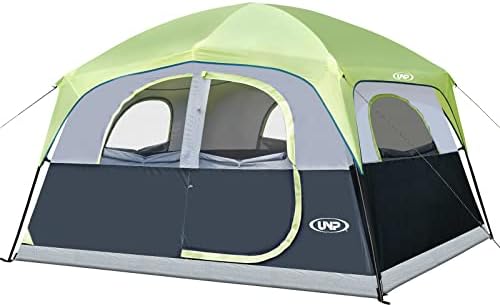
UNP 6 Person Tents for Camping Waterproof Family Cabin Tent with Rainfly
A six-person cabin-style family tent with a rainfly and a stated waterproof construction. The cabin shape trades packed size for floor area and headroom, which suits basecamp trips where the vehicle carries the load.
Visit on Amazon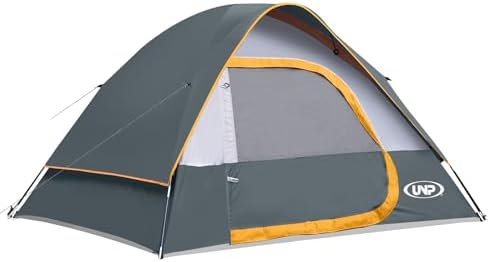
Camping Tent 2-4 Person Dome Tents
A dome tent sized for two to four people, sitting between a solo backpacking shelter and a full family cabin. A reasonable middle ground when group size shifts from trip to trip.
Visit on Amazon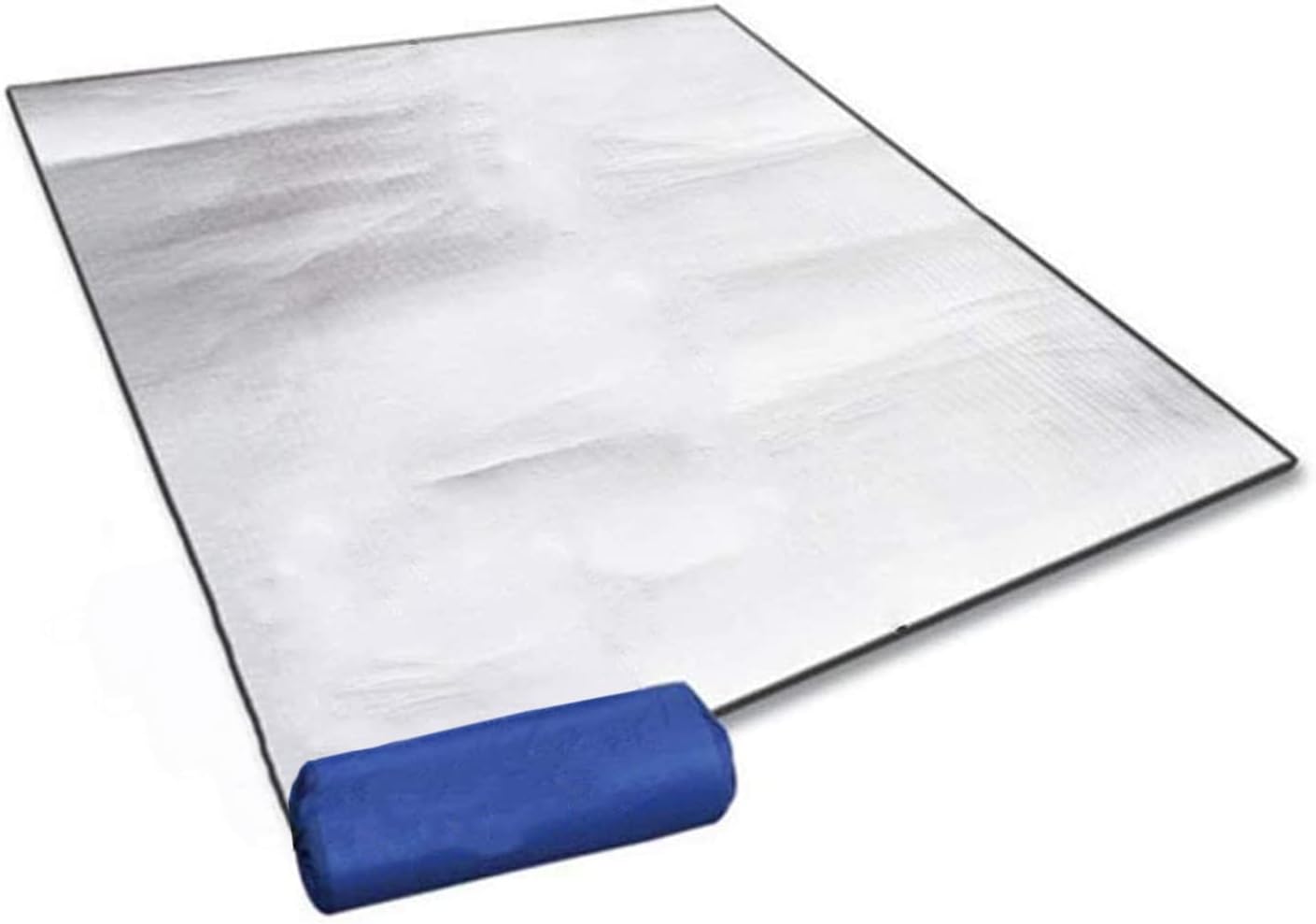
Camping Mat Insulated Sleeping Pad 78.7" x 59" Tent Floor Thermal Blanket
An insulated sleeping pad listed at 78.7 by 59 inches, wide enough to cover a tent floor for two sleepers or to serve as a generous single pad. Insulation under the body is the piece most camping kits get wrong.
Visit on Amazon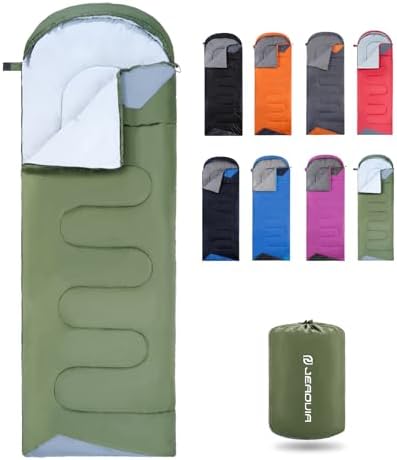
Sleeping Bags for Adults Backpacking Lightweight Waterproof- Cold Weather Sleeping Bag for Girls Boys Mens for Warm Camping Hiking Outdoor Travel Hunting with Compression Bags
Check current Amazon price
A lightweight, waterproof sleeping bag aimed at cold-weather camping, hiking, and travel, supplied with compression bags for packing down. The compression sacks make it easier to fit alongside shelter and pad in a pack or a duffel.
Visit on Amazon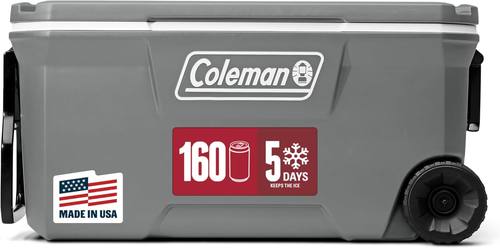
Coleman Classic Series Insulated Portable Rolling Cooler with Wheels, Leak-Resistant Outdoor Hard Cooler Keeps Ice up to 5 Days
A rolling hard cooler from Coleman's Classic Series with insulation stated to keep ice up to five days and a leak-resistant design. Wheels and a handle make it manageable for car camping and tailgates rather than backcountry use.
Visit on AmazonPrices and availability may change. Check the retailer for current details.
How these products were compared
Five things separate these products: stated sleeping capacity and interior volume, packed size and weight class, weather protection features such as rainflies and manufacturer-stated waterproofing, insulation and warmth descriptions where the maker publishes them, and how each piece fits into a complete kit rather than standing alone as a single purchase.
Everything here comes from published product information and the manufacturer's own descriptions. This is a specification comparison, not a lab test. No item in this guide is presented as weighed, measured, or field-tested by the author, and no temperature or ice-retention figure is treated as a guarantee. Product names, images, and retailer links are matched so that every card points to the exact product described, and readers should confirm current price, availability, and return terms at the retailer before buying.
How to choose the right camp setup
Start with capacity, because it drives everything downstream. A tent rated for two people is really a solo shelter with gear space; a tent rated for four is a comfortable two-person shelter with room for duffels. The JELUCAMP line makes that trade-off visible, since the same dome family is offered in 1, 2, 4, and 6 person sizes, which means the shelter question becomes a question about your most common trip rather than about a hypothetical one. The UNP cabin tent sits at the far end of that scale: a six-person cabin with a rainfly and a stated waterproof build is a different animal from a backpacking dome, and it is the right animal when the vehicle is doing the carrying.
Weight class comes next, and it is where most buyers fool themselves. A shelter that is comfortable to carry on a five-mile approach is not the same shelter that sleeps four people and their gear. If the tent is going on your back, the packed size and weight of the smallest configuration matters more than the floor plan. If the tent is going in a trunk, ignore the weight entirely and buy the interior volume you will actually use on a rainy afternoon. The same logic runs through the rest of the kit: a sleeping pad that never leaves the car can be heavier and wider, while a pad headed into the backcountry has to earn its place.
Insulation is the third decision, and it is the one people skip. The Camping Mat Insulated Sleeping Pad is listed at 78.7 by 59 inches, which is wide enough to serve as a tent floor thermal blanket for two sleepers or as an oversized single pad. Width matters more than most shoppers expect, because a pad that a sleeper rolls off at 2 a.m. provides no insulation at all once they are on bare tent floor. If you want the longer explanation of how pad insulation ratings work and why they matter more than the bag in cold weather, the sleeping pad insulation guide walks through it.
Over the top of that, the sleeping bag. The bag in this group is a lightweight, waterproof cold-weather model supplied with compression bags, aimed at backpacking, hiking, travel, and hunting use. Treat any bag's warmth description as a starting point and pair it with the pad underneath and the layers you wear, since the bag only retains the heat that reaches it.
Finally, decide whether you are building a backpacking kit or a basecamp. The Coleman Classic Series rolling cooler belongs firmly in the second category: insulation stated to hold ice up to five days and a leak-resistant hard body, on wheels, for trips where the vehicle is the pack animal. There is no version of a five-day cooler that goes on your back, and pretending otherwise is how garages fill up with gear that never gets used.
JELUCAMP 1/2/4/6 Person Dome Tents for Camping Lightweight Backpacking Tent
The JELUCAMP dome tent earns the top spot because it answers the question most campers actually have: which size do I buy? Because the line covers 1, 2, 4, and 6 person configurations in the same dome style, a household can own one design language and scale the shelter to the trip. A solo overnight takes the smallest size, a pair of hikers takes the two-person, and a family weekend takes the six. The lightweight, backpacking-oriented construction keeps the smaller configurations plausible for carry-in trips, which is more than can be said for most family-sized tents.
The trade-off is real and worth stating plainly. A single design stretched across four capacities is a compromise at both ends. The smallest size is the one built for carrying, and the largest is the one built for living space, and no single configuration is ideal for both a long approach and a rainy afternoon with four people inside. Buy the size that matches most of your trips and accept that the outlier trip will feel like an outlier. If you need one shelter that does everything well rather than one shelter that does everything adequately, that is a sign you need two tents, not a bigger one.
Alternatives to consider
The UNP 6 Person Tents for Camping Waterproof Family Cabin Tent with Rainfly is better suited to vehicle-based family camping, where a cabin footprint and a rainfly matter more than packed weight, while the Camping Tent 2-4 Person Dome Tents is a stronger fit when group size changes often and you want one dome that covers a range without committing to a full cabin.
The Camping Mat Insulated Sleeping Pad 78.7" x 59" Tent Floor Thermal Blanket, the Sleeping Bags for Adults Backpacking Lightweight Waterproof- Cold Weather Sleeping Bag with Compression Bags, and the Coleman Classic Series Insulated Portable Rolling Cooler with Wheels cover the rest of the kit. The pad handles insulation under the body and can double as a floor-wide thermal layer, the bag handles insulation over the body with compression bags for packing, and the cooler handles the food side of a car-camping weekend with insulation stated to keep ice up to five days.
Day-to-day use and maintenance
Tents live or die on how they are stored. A tent packed away damp grows mildew, and mildew destroys the coating that makes a rainfly useful, so dry the shelter fully before it goes back in the bag, ideally by pitching it in the yard or draping it over a railing rather than leaving it crumpled in a stuff sack. Seams are the other long-term weak point: factory taping and sealing can degrade, and a tube of seam sealer applied to the fly and floor seams is cheap insurance against the first serious storm of the season. Stake out the corners properly rather than relying on tension alone, and check the stakes themselves, since a bent stake on the first night is a problem that repeats.
Sleeping pads need less attention but still need some. Store an insulated pad unrolled and flat with the valve open so the foam and baffles are not compressed for months at a time, and wipe it down with a damp cloth rather than soap. Keep it away from sharp ground, use a footprint or a groundsheet underneath, and patch punctures promptly with the repair kit that came with it.
Sleeping bags should be aired out after every trip and stored loose, not compressed, because long-term compression is what kills loft. Follow the manufacturer's washing instructions exactly, since the wrong detergent or a hot dryer can strip the water-resistant finish. The Coleman rolling cooler wants the opposite treatment: drain it, wipe it, and leave the lid open to dry so it does not develop a smell between trips, and check the drain plug and wheels before a long drive. As with any gear, follow the maker's care instructions rather than a general rule of thumb.
Buying checklist
- Measure the sleeping area you need, not the tent's stated capacity, and remember that capacity ratings assume sleeping shoulder to shoulder.
- Choose the shelter size based on your normal trip rather than an occasional edge case, and decide up front whether it will be carried or driven.
- Confirm that the exact model includes the rainfly, the compression bags, or the wheeled base you are counting on, since listings often group several configurations.
- Check the packed dimensions against your vehicle, your pack, and your storage space before ordering.
- Read the cleaning and maintenance instructions for the tent coating, the pad, the bag, and the cooler.
- Verify the current retailer price, availability, and return terms before you commit.
Final recommendation
Choose the JELUCAMP 1/2/4/6 Person Dome Tents for Camping Lightweight Backpacking Tent when you want one dome design that scales from a solo overnight to a group weekend and you care about keeping the smaller sizes carryable. Choose the UNP 6 Person Tents for Camping Waterproof Family Cabin Tent with Rainfly when the trip is vehicle-based, the group is large, and interior room matters more than packed size. Build the rest of the kit around whichever shelter you pick: an insulated pad for the ground, a cold-weather bag with compression sacks for the top half, and the Coleman rolling cooler for the trips where the car is doing the work. Where the published information does not support a meaningful difference between two products, this guide does not invent one, and the honest answer is to buy the size and the weight class that match the trips you take most often.