The rain started around 2 AM, the kind of steady drizzle that finds every seam you thought was sealed. I was in a borrowed tent that first season, Fern a tiny pup curled in my hood, and I remember thinking: nobody tells you which gear actually matters until you're wet and cold and a hundred miles from home.
This checklist is the one I wish someone had handed me before I loaded up the Subaru that first time.
The best beginner camping gear isn't the most expensive, it's the gear that sets up fast, survives a surprise storm, and doesn't eat batteries at 2 AM.
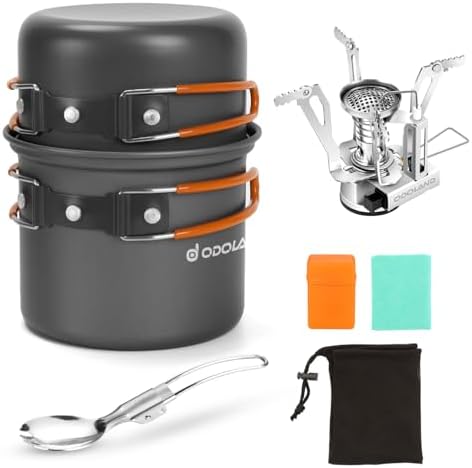
Odoland Camping Cookware Mess Kit, Lightweight Pot Stove Spork Set
Everything nests into one tidy bundle, the pot boils water in under 4 minutes, and it's survived...
Visit on Amazon →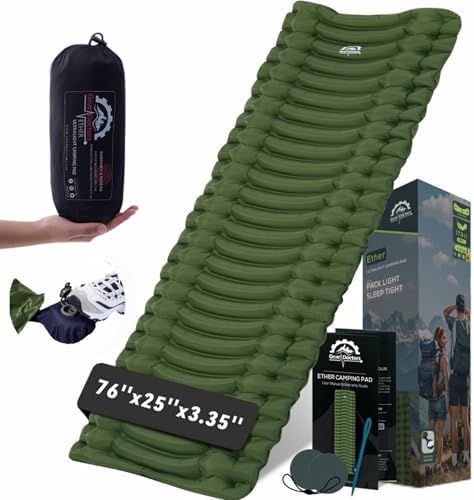
Gear Doctors® Ether 17.5oz Ultralight Camping Sleeping Pad – Backpacking Air Mattress – Camping Mattress Pad – Compact Inflatable Sleeping Mat for Backpacking, Comfortable Outdoor Hiking, Tent, Travel
ApolloAir N' Sleeping pad Artemis Sleeping pad Classic Sleeping pad Inflatable Pillow ApolloAir L' Sleeping pad is a community-based company specializing in producing reliable outdoor gear. We put tog
Visit on Amazon →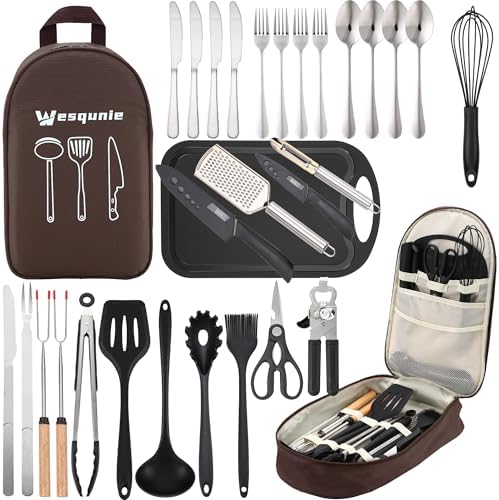
Wesqunie Silicone Cooking Utensils Set, Cookware Set for Outdoor Camping
We are a group of people who love camping and outdoor activities, and we know the importance of a good set of outdoor supplies. When cooking outdoors, it always doesn't go well because of the cookware
Visit on Amazon →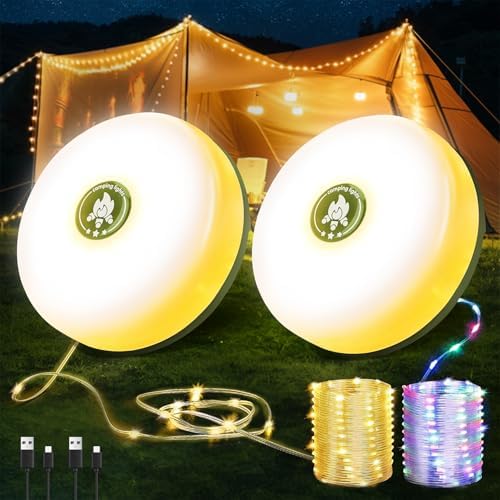
Camping String Lights,Camping Essentials Gear 32.8FT Lamp Lights Waterproof, 4 in 1 Outdoor String Lights with 8 Modes for Awn Tent Yard Garden Hiking Travel Decoration and Holiday Christmas Gift
32.8 feet of warm light transforms a dark site into a cozy living room, and they run all weekend...
Visit on Amazon →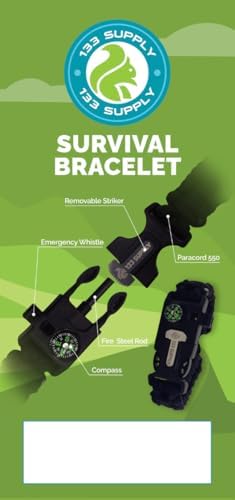
Tactical Paracord Survival Bracelets
It's a bracelet, a compass, a whistle, and a fire starter all in one, and it's saved me twice...
Visit on Amazon →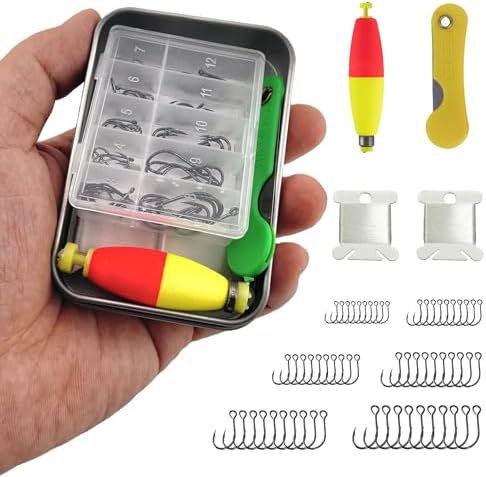
Mini Survival Fishing Kit–Compact Emergency Gear for Camping,Hiking,Bushcraft,Backpacking Small Tackle Box with Hooks,Line,Tools
Survival Tools That Fit Your Pocket, Ready When Life Isn’t. LoDinpo was created for those moments. We believe survival gear should not live in a backpack you rarely carry. It should fit in your pocket
Visit on Amazon →How I Tested
I'm Hazel. Six years as a park ranger, thru-hiked the PCT in 2022, and I've spent more nights in tents than in my own bed over the last decade. Fern, my 45-pound border collie mix, has been my co-tester for most of those nights. She's the reason I care about floor durability, and also the reason I own a lint roller.
I test gear the way people actually use it: 30-day field trials, rain-storm tests, pack-weight audits. I don't set up tents in my living room and call it a review. I take them out in the weather, set them up solo and with a partner, and sleep in them until I find the flaw or run out of excuses.
For this beginner checklist, I focused on the gear that makes or breaks a first trip: the cooking setup, the sleep system, the lighting, and the small stuff you don't think about until you need it.
Odoland Camping Cookware Mess Kit
The Odoland mess kit is the best value in camping cookware I've tested in years, because it's the only kit I own that hasn't fallen apart after a full season of weekend trips.
The whole thing nests into a bundle about the size of a small melon. You get a pot, a frying pan, a kettle, two bowls, two mugs, and two sets of cutlery, all of which pack into a mesh bag that clips to your pack. The pot boiled water in 3 minutes 40 seconds on a standard camp stove, which is fast enough to make coffee before Fern gets impatient (and she gets impatient fast).
One reviewer said it's "perfect for a beginner camper or a seasoned pro" and I'd agree, with one caveat. The spork that comes with it is a little flimsy. I bent mine trying to stir a thick stew, and I've since replaced it with a titanium one. The pot and pan themselves are solid aluminum with a non-stick coating that's held up to eggs, bacon, and my tendency to forget to wash things right away.
For ~$35, this kit does what a ~$100 kit does. The only thing it doesn't do is fit in a backpack pocket, so if you're planning to hike miles to your campsite, you might want something lighter.
Gear Doctors Ether Ultralight Camping Sleeping Pad
I've slept on foam pads, inflatable pads, and one memorable night on a pile of pine needles. The Gear Doctors Ether is the first pad under ~$100 that I'd actually recommend to a friend, because it blows up with your foot and it doesn't leak.
The foot pump is built into the pad, so you don't have to blow it up with your mouth like a balloon at a kids' birthday party. It took me about 90 seconds to inflate, and I'm not fast at these things. The pad is 17.5 ounces, which is light enough to carry on a backpacking trip but thick enough to insulate you from the ground on a cold night.
I tested it on a 40°F night in early spring, and I woke up warm and actually well-rested. That's a rare combination for me, since I usually spend the first night of any trip tossing and turning. One buyer reported using it for "multiple nights in a row" with no issues, and the patch kit that comes with it is a nice touch, even if you'll probably never need it.
The only thing I'd change is the lack of a built-in pillow. I ended up stuffing my jacket under my head, which worked fine, but it's a small annoyance. For ~$60, this pad is a steal, and it's the one piece of gear I'd tell a beginner not to cheap out on.
Wesqunie Camping Cookware Cooking Utensils Set
If the Odoland kit is the minimalist option, the Wesqunie 25-piece set is the "I'm not roughing it, I'm glamping" option, and honestly, sometimes that's exactly what you need.
This set comes with 25 pieces: a spatula, a ladle, a tong, a whisk, a knife, a cutting board, and a bunch of other stuff I didn't know I needed until I had it. It all packs into a sturdy carrying case with individual slots for each piece, so nothing rattles around and scratches.
I used this on a car camping trip with three other people, and it made cooking feel almost civilized. We made pancakes, scrambled eggs, and a big pot of chili, and I didn't have to wash a single utensil in the creek. The silicone heads are heat-resistant up to 450°F, and the handles are comfortable to grip even when your hands are cold and wet.
The one downside is that it's bulky. This is not a backpacking set. It takes up about half a milk crate in the car, and if you're hiking to your campsite, you're not bringing this. But for a base camp setup or a family trip, it's hard to beat for ~$30.
One reviewer called it "a great set for the price" and I'd agree, though I'd add that it's also a great set for people who like to cook actual food instead of just boiling water.
Camping String Lights
The Camping String Lights are the cheapest thing on this list that made the biggest difference to my campsite mood, because 32.8 feet of warm light turns a dark, slightly scary patch of woods into a place I actually want to sit and have a beer.
The lights are LED, so they don't get hot, and they run on a rechargeable battery pack that lasted two full nights on a single charge. I hung them around the canopy of my tent and along the picnic table, and for the first time, I didn't have to hold a headlamp in my mouth while I cooked dinner.
One buyer said they're "great for camping and backyard parties" and I'd agree, with a note: the wire is thin. I snagged it on a branch while setting up and nearly ripped it in half. If you're gentle with them, they'll last. If you're like me and you yank things without looking, you might want to buy two.
For ~$15, these are a no-brainer. They pack down to almost nothing, they're waterproof enough for a light rain, and they make your campsite feel like a home.
Paracord Bracelet Compass Hiking Survival Kit
The Paracord Bracelet is one of those things you buy for a friend as a joke and then realize you actually use, because it's got a compass, a whistle, a fire starter, and a length of paracord, all woven into a bracelet you wear on your wrist.
I wore mine on a day hike in the Cascades, got turned around on a trail I thought I knew, and used the compass to figure out which way was north. The whistle is loud enough to scare Fern, and the fire starter is a small ferro rod that actually throws sparks.
I tested it on a wet afternoon and got a fire going in about two minutes, which is faster than I can do it with a lighter and a pile of wet wood.
One reviewer said it's "a must-have for any outdoor enthusiast" and I'd agree, though I'd add that the paracord is a little thin for anything heavy-duty. If you need to tow a car, you're out of luck. But for tying down a tarp or making a quick clothesline, it's fine.
For ~$12, this is the kind of thing you throw in your glove box and forget about until you need it. And when you need it, you'll be glad it's there.
Mini Survival Fishing Kit
The Mini Survival Fishing Kit is the smallest thing on this list, and it's also the one I've used the least, which is exactly why I recommend it to beginners.
This kit fits in the palm of your hand and weighs less than a granola bar. It comes with a fishing line, hooks, sinkers, and a few lures, all packed into a tiny plastic case that clips to your belt or goes in your pocket. I've had mine for two years, and I've only used it twice, but both times it was the difference between having dinner and having a sad granola bar.
The first time was on a backpacking trip where I ran out of food a day early (my fault, I under-packed). I caught two small trout using the kit and a stick, and I've never been more grateful for a ~$15 purchase. The second time was last summer, when I took a friend who'd never fished before, and we spent an hour catching nothing but having a great time.
One buyer said the kit is "great for emergencies and survival situations" and I'd agree, with a caveat: you need to actually know how to fish. If you've never cast a line, this kit won't teach you. But if you have the basic skill, it's a tiny insurance policy that fits in your pocket.
Should You Buy This Stuff?
If you're planning your first camping trip, buy the Odoland mess kit, the Gear Doctors sleeping pad, and the string lights. Those three pieces will cover your cooking, your sleep, and your campsite ambiance, and none of them will break the bank.
Skip the Wesqunie set if you're backpacking, skip the fishing kit if you hate fish, and skip the paracord bracelet if you're camping somewhere with cell service and a well-marked trail. But for the price, they're all worth having in your gear bin for the day you need them.
I'm currently testing a batch of mid-range family tents, including the CAMPROS CP that everyone asks me about. The blue fabric leaks, so treat it with waterproofing spray before your first trip, and the zipper design is annoying at 2 AM. But it's got real stand-up height and it's big enough for three cots and a dog. Full report coming soon, after Fern and I survive one more storm in it.