I have spent a little over 500 nights in tents, most of them in the Cascades and a long stretch of them on the Pacific Crest Trail in 2022. Before that I was a park ranger out of Bend, Oregon for six years, which means I have watched a lot of people pitch a lot of shelters in weather that did not cooperate. The question that shows up in my inbox every October is always some version of the same one: the nights are getting cold and wet, so what do I actually bring?
That is the question this comparison answers. Four products, four very different answers: a weather-oriented 2 person camping tent, a pop up tent built for speed, a hammock shelter with its own rain fly and bug net, and one small book about keeping your feet warm. If you are shopping for a 2 person camping tent and you are not sure whether the hammock or the book deserves a place in your pack, this is the breakdown I would give a friend.
Related: Tent Footprints and Ground Sheets: When You Actually Need One
The short answer: for a three-season 2 person camping tent that has to hold up to real weather, The North Face Stormbreak 2 is the pick on this list, because it is the only shelter here designed around airflow and a treated fly rather than speed of setup. The Wakeman Outdoors pop up tent is the better call for music festivals, beach weekends, and car camping. The Sunyear hammock is the answer when the ground is rock, root, or mud. And the feet book fixes the one problem no shelter solves, which is you at 3 a.m. with toes that will not warm up.
A word about what this is and is not. I have not logged 30 field nights in all four of these, so treat this as a design and fit comparison built from the published product listings and from the standards I use on my own trips. My rule stands: no review without real nights out. What I can do here is tell you what each option is built for, where it will let you down, and which kind of trip it belongs on.
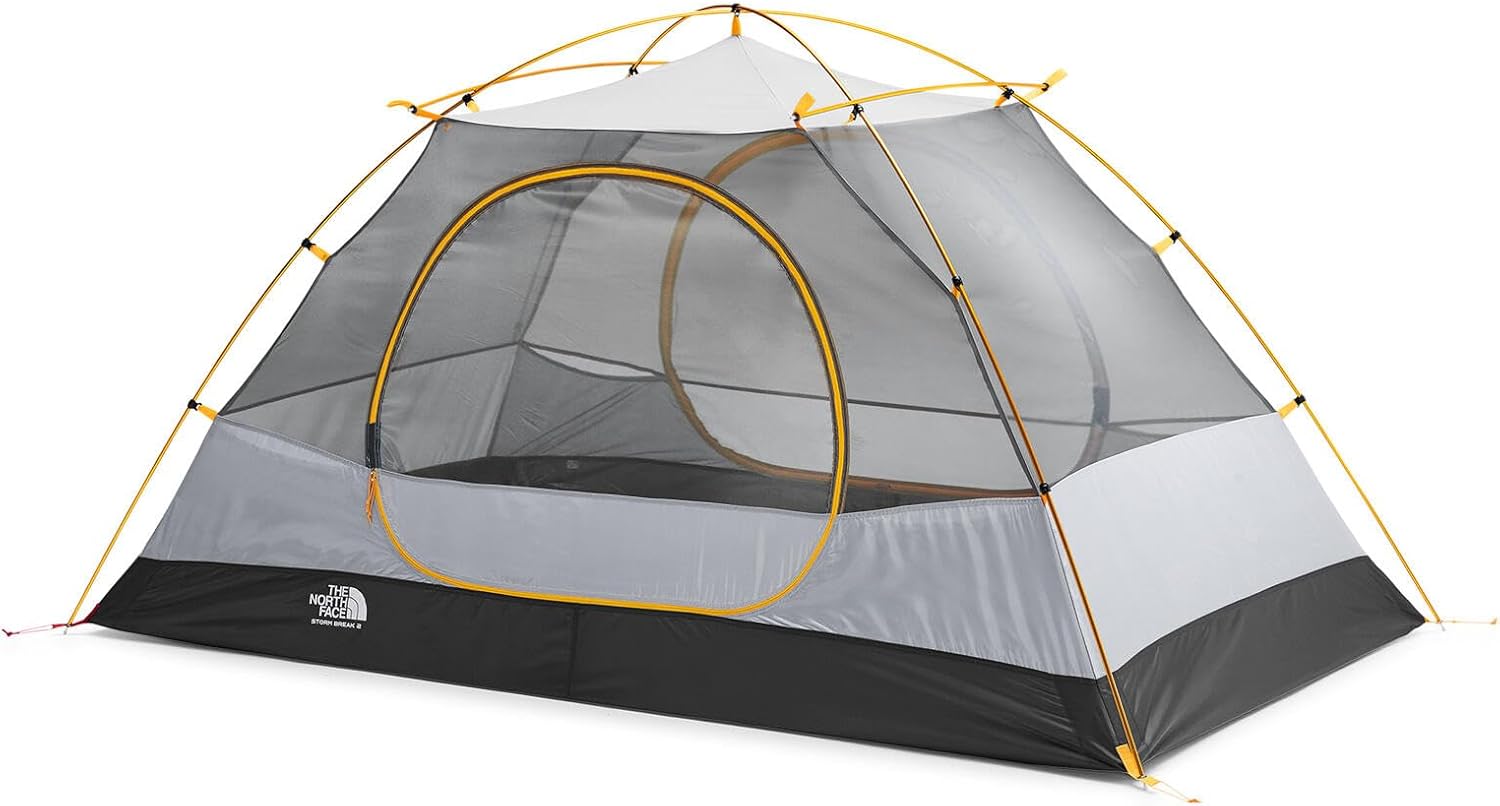
The North Face Stormbreak 2
The most weather-oriented shelter here, with high and low ventilation openings and a water repellent finish
Still a ground tent, and a water repellent finish needs re-treating to stay honest
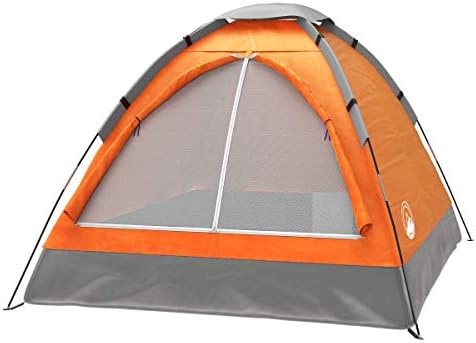
Wakeman Outdoors 2 Person Camping Tent
Pop up pitching is the fastest on this list, and the rain fly and carrying bag come with it
Pop up shelters trade storm performance for speed, so check the packed size before you carry it far
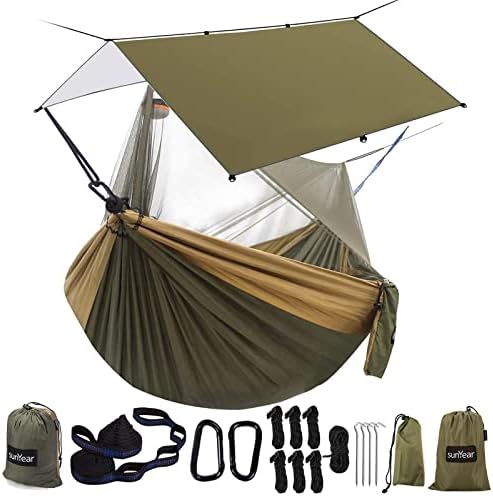
Sunyear Hammock Camping with Rain Fly Tarp and Net
Rain fly, bug net, and two tree straps are all in the bundle, so site selection stops being a problem
Needs trees, and moving air underneath means you must add insulation of your own

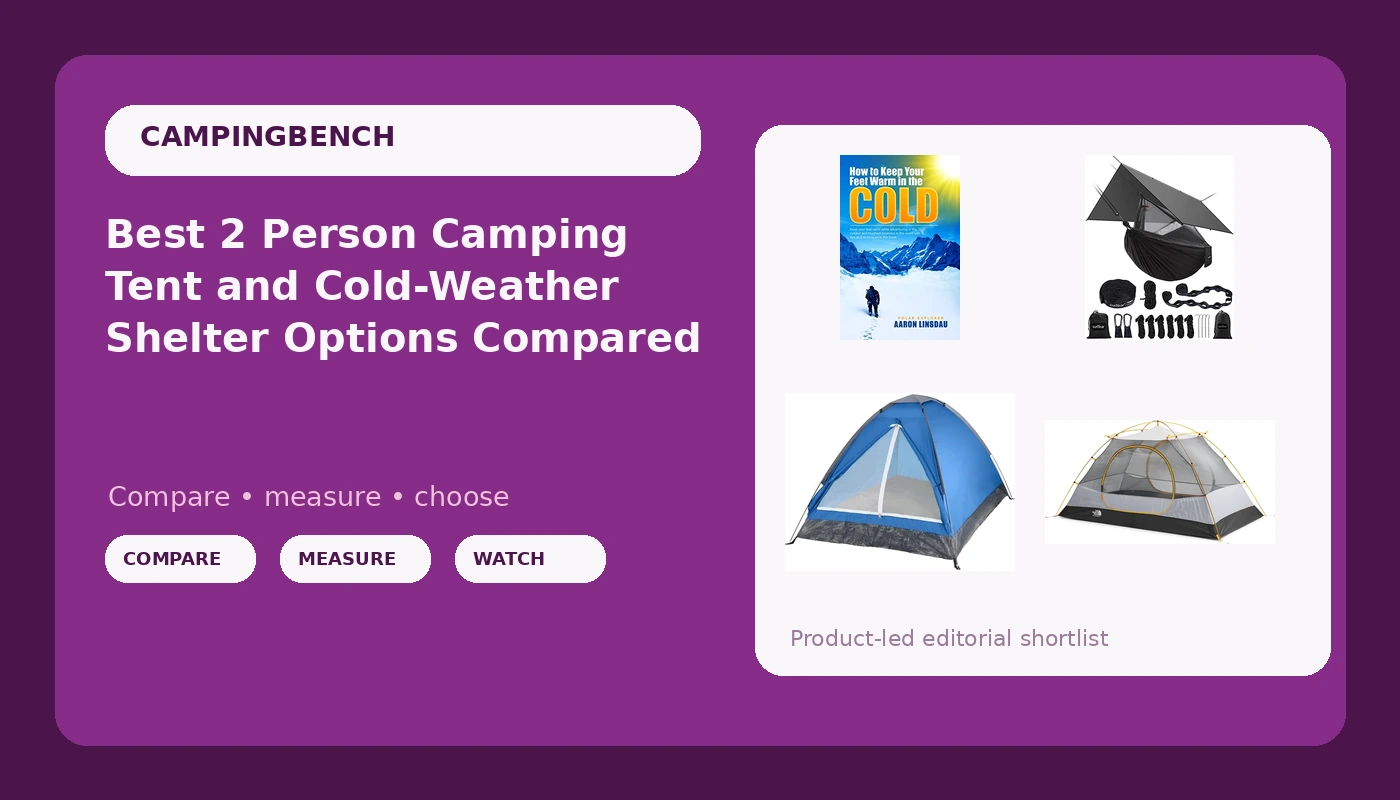
How to Keep Your Feet Warm in the Cold
Covers the one problem no shelter solves, in the toughest locations on Earth
It is knowledge, not gear, and it will not warm anything by itself
Prices and availability were captured from Amazon Creators API and may change.
How I judge a shelter for cold, wet nights
Five things, in order, and none of them are marketing language.
Pitch time comes first. A tent that takes 20 minutes to pitch is a tent you will sleep in the rain next to, not in. That is not a preference, it is a pattern I have watched play out at trailheads and campgrounds for a decade. When the sky turns and your hands are cold, the shelter that goes up in two minutes is the shelter that keeps you dry, even if it is technically the lesser tent.
Ventilation is second, and it is the most underrated thing on this list. Two people breathing inside a closed shelter at 30 degrees produce a shocking amount of moisture, and that moisture has to go somewhere. If it cannot leave through high and low openings, it condenses on the walls and then on your bag. A wet sleeping bag at 30 degrees is a safety problem, not an inconvenience.
Third is waterproofing honesty. I treat every factory coating as a promise with an expiration date. Water repellent finishes shed rain beautifully when they are fresh and stop doing it after enough UV, abrasion, and packed-wet storage. The real test is seam sealing, and the real habit is re-treating on a schedule rather than waiting for the first leak.
Fourth is weight and bulk, and fifth is ground reality: does this thing need flat, dry, stakeable dirt, or can it go anywhere? Most shelter arguments people have online are really arguments about item five, and nobody admits it.
The North Face Stormbreak 2: the three-season pick
This is the shelter on the list I would hand to someone planning a real backpacking trip where weather is possible rather than guaranteed. The listing describes high and low ventilation openings for airflow and a water repellent finish, and those two details together tell you what it was designed for: a shelter where moisture management was a design goal, not an afterthought.
The ventilation layout is the part I care about. Openings placed high and low create a stack effect, where warm, damp air leaves up top and cooler air enters low, and that movement is what keeps the inside of the fly from raining on you at 4 a.m. For two people in cold conditions, that is the difference between a dry bag and a miserable morning.
The water repellent finish deserves an honest caveat, because it is a finish and not a permanent property. Plan on re-treating it, plan on checking the seams, and plan on storing it dry. Do that and it holds up to the trips most people actually take. Skip it and any tent, at any price, will eventually soak through.
The trade-off is straightforward. This is a ground tent, so it needs a site: flat enough to sleep on, soft enough to stake, and clear of roots. It is also not the fastest shelter here to pitch, which matters if you arrive after dark. What you get in exchange is the only option on this list that was clearly built with bad weather in mind.
Wakeman Outdoors 2 Person Camping Tent: the festival and car camping pick
The Wakeman Outdoors tent is the speed pick. It is a pop up design with a rain fly and a carrying bag, and the listing points it at camping essentials, music festivals, backpacking, hiking, and beach shelter. That list of uses is honest about what it is: a lightweight shelter for trips where you are carrying it a short distance and setting it up fast.
Pop up pitching is genuinely useful. Festival gates open, you walk in with a full pack and a fading headlamp, and the shelter that is standing in under two minutes is worth more than a better tent that takes fifteen. The same logic applies to a beach day or a car camping weekend where the tent is 30 feet from the trunk.
Where it gives ground is sustained weather. A pop up structure with lightweight materials is a fair-weather and short-trip shelter by nature, and the rain fly is doing a lot of the work when the sky opens. Treat it as a three-season shelter for gentle conditions, not a storm bunker. Two practical notes from a ranger: check the packed size before you plan to carry it any real distance, and if you use it at the beach, rinse the sand and salt and dry it fully, because a tent packed away damp is a mildew farm by the next trip.
Sunyear Hammock Camping with Rain Fly Tarp and Net: the no-flat-ground pick
In the Cascades, the hardest part of camping is often not the weather. It is finding a flat, dry, root-free patch of ground big enough for a tent. The Sunyear hammock bundle solves that problem outright. You get the double hammock, a rain fly tarp, a bug net, and two tree straps in one package, which means you are not shopping for suspension separately, and the tarp is the piece that keeps sideways rain off you rather than just the drizzle from directly above.
The listing claims 100 percent waterproof, and I will say the same thing I say about every waterproof claim: treat it as a starting condition, not a permanent one. A tarp that has been folded wet into a stuff sack for a season will start passing water at the ridgeline before it passes anywhere else. Seam seal it, dry it, and it earns the label. The bug net matters more than people expect in July, and having it built in means you are not improvising.
The real trade-offs are two. First, hammocks need trees, and above treeline or in a desert canyon they are useless. Check local rules too, because some campgrounds restrict hammock hanging, and always use the wide straps rather than rope so you are not girdling the bark. Second, and this is the one that catches people in October: air moves underneath you all night and pulls heat out of your back, which means a hammock in cold weather demands insulation under your body that a tent does not. A hammock with nothing underneath is the coldest sleep in the woods.
How to Keep Your Feet Warm in the Cold: the fix no shelter covers
Every winter, the thing that ruins sleep is not the shelter. It is feet. You can have a bomber tent, a good bag, and a perfect site, and still lie awake at 2 a.m. with numb toes because your system had one weak link and the weak link was at the bottom of your body. This book, part of the Adventure Series, is aimed squarely at that problem, and it is the only item on this list that addresses it.
That makes it the natural companion to the hammock in particular, but also to any cold-weather trip. The book is about keeping feet warm in the toughest locations on Earth, which is exactly the framing I want, because the techniques that work in a mild Oregon autumn are a subset of the techniques that work in genuinely hard conditions. If you are the person who wakes up at 2 a.m. and does the toe curl and the futile rub, the knowledge here is worth more than another piece of gear you have to carry.
The honest trade-off is that it is a book. It weighs what a book weighs and it warms nothing on its own. If you already have your cold-weather layering system dialed and you know exactly why your feet get cold, you probably do not need it. If you are not sure, it is the lowest-commitment item here, and it costs less to try than any of the other three.
The trade-offs, stated plainly
Ground versus air. Tents need flat, stakeable ground. Hammocks need trees. Both need insulation underneath you, and both fail the same way in cold weather when you skip it. The difference is that a tent site is hard to find in rough country and a hammock site is hard to find above treeline. Pick your terrain first, then your shelter.
Speed versus weather performance. The pop up tent wins pitch time and loses storm margin. The Stormbreak 2 wins weather margin and asks for a few more minutes of setup and a real campsite. Neither is a mistake. They are answers to different trips.
Gear versus knowledge. Three of these items are things you carry. One of them is something you know. The person who has spent nights shivering will get more out of the book than out of a fourth shelter, and the person who has never camped in the cold will get more out of a real tent than out of any technique.
Which one I would pack for which trip
For a wet-weather backpacking trip in the Cascades, where the forecast is a coin flip: the Stormbreak 2. Ventilation and a treated fly are what you want when the nights are damp.
For a festival, a beach weekend, or car camping where setup speed matters more than storm margin: the Wakeman Outdoors pop up tent, with the rain fly on and the whole thing dried out before storage.
For a forest trip, a thru-hike section, or anywhere the ground is roots and rock: the Sunyear hammock bundle, with the tarp rigged low and insulation added underneath.
For any cold trip at all, whatever shelter you choose: the feet book, because it addresses the failure mode that ends up costing you the most sleep.
The bottom line
If you only take one thing from this comparison, take the logic rather than the product. Match the shelter to the ground you will actually be sleeping on, match it to the weather you are actually likely to get, and treat every waterproof claim as a maintenance schedule rather than a permanent fact. The North Face Stormbreak 2 is the strongest all-around 2 person camping tent of the four for three-season trips, the Wakeman pop up tent is the right tool for speed and gentle conditions, the Sunyear hammock is the fix for bad ground, and the feet book is the cheapest way to stop losing sleep to cold toes.
You can check the current price on any of them through the Visit on Amazon links above. Whichever way you go, pitch it in the yard once before you leave, seam seal what needs sealing, and know how it goes up before the weather teaches you.