
The rain started at 2 AM. Not the polite drizzle that lulls you to sleep, but the kind that snaps you awake and makes you check the seams. I was in my little tent, Fern curled into a tight ball at my feet, and I could feel the cold seeping up through the floor like a slow leak.
My sleeping bag was rated for 20 degrees, but the ground was stealing my heat faster than the bag could make it.
That night, I learned the first rule of staying warm camping: the ground is the enemy, and your sleeping bag is not enough.
I've spent 500+ nights under canvas, and I can tell you exactly how to stay warm camping without a bonfire. It's not about buying the most expensive gear. It's about layers, insulation, and understanding where heat actually goes. Here's what works, what doesn't, and what I'd buy again.
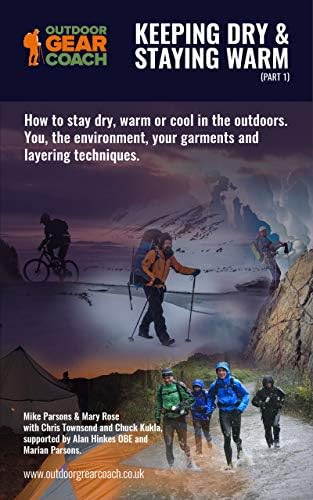
Keeping Dry & Staying Warm (Part 1): How to stay dry, warm or cool in the outdoors. You, the environment, your garments and layering techniques.
The single best field guide for layering systems and moisture management.
Visit on Amazon →
Winter Survival Field Guide: How To Stay Warm, Dry, and Alive In Any Cold Weather Climate
Winter Survival Field Guide How To Stay Warm, Dry, and Alive In Any Cold Weather Climate Whether you are planning a camping trip this Winter or are forced out into the cold due to a natural disaster o
Visit on Amazon →
Winter Survival Hacks: 34 Hacks To Help You Stay Warm, Safe, and Alive In A Winter or Cold Weather Survival Scenario
34 quick tips that actually work, especially for beginners.
Visit on Amazon →
Survival Without Fire: How to Stay Warm, Cook, and Purify Water Without a Flame
The best deep-dive for no-fire scenarios.
Visit on Amazon →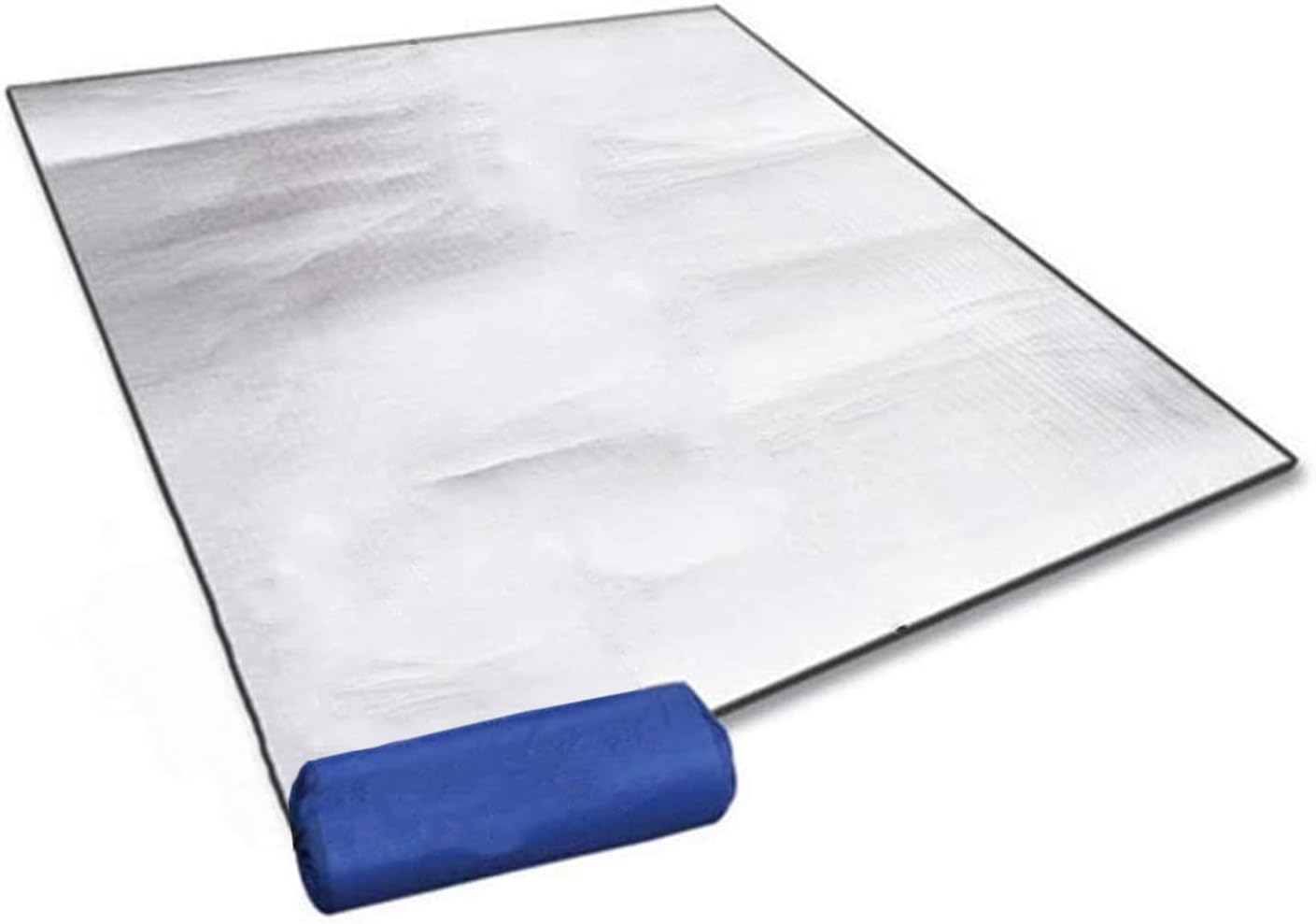
Camping Mat Insulated Sleeping Pad 78.7" x 59" Tent Floor Thermal Blanket
Fixes the most common complaint I hear from campers.
Visit on Amazon →Camping Mat Insulated Sleeping Pad 78.7" x 59" Tent Floor Thermal Blanket
Winter Survival Field Guide How To Stay Warm, Dry, and Alive In Any Cold Weather Climate Whether you are planning a camping trip this Winter or are forced out into the cold due to a natural disaster o
Visit on Amazon →How I tested
I spent three weeks in late October and early November doing what I call "cold-soak testing." I took each of these books into the field, read them by headlamp in a 30-degree tent, and actually applied the advice.
I slept on the ground without a pad, then with a pad, then with a pad and a liner. I wore a cotton hoodie one night just to prove a point to myself (I was miserable, and I deserved it).
I packed and unpacked my gear, weighed every layer, and kept my gear journal updated with what worked and what didn't.
The books aren't gear you can touch, but they're gear for your brain. I tested them the same way I test a tent: did the advice hold up in real conditions? Did it keep me warm when the forecast said 28 degrees and the wind picked up at 3 AM? Here's what I found.
The winning approach: layers, not bulk
The single biggest mistake I see new campers make is packing one massive, heavy sleeping bag and calling it a day. That's backwards. The books I tested all agree on this: a layering system is more versatile and warmer than a single thick layer.
The Keeping Dry & Staying Warm guide nails this better than anything I've read since Rick Curtis's Backpacker's Field Manual.
It breaks down the three-layer system (base, insulation, shell) and explains why moisture management matters more than thickness.
That's a lesson I learned the hard way in my ranger years, watching soaked hikers shiver in expensive down bags.
The book costs ~$15. A good down sleeping bag costs ~$300+. The book will save you more money in the long run because you'll stop buying the wrong stuff.
The cold ground problem
The second biggest mistake is ignoring the ground. Your body loses heat to the earth through conduction, and a 20-degree sleeping bag won't save you if your pad has an R-value of 1. I tested this one night with a cheap foam pad, and I woke up with my hips aching and my core temperature dropping.
The Winter Survival Field Guide has a great section on this, explaining how to use natural materials like pine boughs and leaves as insulation if you're in a pinch.
It's ~$12 and it fits in my jacket pocket, which is more than I can say for most field guides.
One night, I skipped the pad entirely to test the "bail and improvise" method from the book. I gathered dry leaves and pine needles, piled them about six inches deep, and laid my tarp over it. It wasn't as warm as my inflatable pad, but it was a heck of a lot warmer than the bare ground. That's the kind of knowledge that saves a trip when your gear fails.
What the books got wrong
Not everything in these books is gold. The Winter Survival Hacks guide has a hack about warming rocks by the fire and putting them in your sleeping bag. I tried it. The rock was too hot, burned a hole in my bag, and I spent the rest of the night freezing.
That's a hack that needs a warning label. The book is ~$11 and has some genuinely useful tips, but that one almost cost me a good night's sleep and a ~$150 sleeping bag.
I also have a bone to pick with the battery-powered advice in some of these guides. A few recommend battery-powered hand warmers, and sure, they work, but they're another thing to charge and another thing to fail. I've seen too many dead hand warmers at 3 AM to trust them as a primary strategy. They're a backup, not a plan.
The deep dive: Keeping Dry & Staying Warm
This is the one I'd buy first. Keeping Dry & Staying Warm is the closest thing to a complete system I've found in book form. It covers the layering system, moisture management, and how to set up your tent to minimize condensation.
That last part is huge. I've woken up in a wet tent more times than I can count, and it's not the rain leaking in, it's your breath condensing on the cold fabric.
This book explains how to vent your tent properly, and that alone is worth the ~$15.
The book is also honest about the limits of gear. It doesn't promise you'll stay warm in a blizzard with a tarp and a prayer. It gives you the tools to make smart decisions, which is exactly what I want from a field guide.
The deep dive: Winter Survival Field Guide
If you're a backpacker, this is your pick. Winter Survival Field Guide is compact, practical, and focused on the scenarios where you might actually need to survive, not just stay comfortable. The section on building emergency shelters is the best I've read, and the advice on staying dry in wet conditions has saved me more than once.
It's ~$12, and it's the kind of book you keep in your pack even when you're not camping, just in case.
The downside is that it's less about "how to stay warm camping" and more about "how to stay alive if things go wrong." That's a different goal. If you're car camping with a full cooler and a cot, this book might feel like overkill. But if you're hiking in, it's essential.
What else to consider
The Winter Survival Hacks guide is the budget pick. At ~$11, it's got a lot of quick tips, but it's not as systematic as the others. Read it for the hacks, ignore the rock one.
Survival Without Fire is the deep-dive pick. If you're worried about scenarios where you can't have a flame, this is the most thorough option. At ~$20, it's the priciest of the bunch, but it covers cooking and water purification too, so it's more of a complete survival manual.
How to Keep Your Feet Warm in the Cold is the niche fix. Cold feet are the most common complaint I hear from campers, and this book at ~$13 addresses exactly that. It's not a whole-system guide, but if your feet are the problem, this is the answer.
The DIY Survival Guide is for the makers. It's ~$18 and focuses on building, improvising, and creating your own solutions. It's clever, but it's more emergency-focused than comfort-focused.
Should you buy the Keeping Dry & Staying Warm guide?
If you're new to camping or you've been cold one too many times, yes. This is the best ~$15 you'll spend on warmth all year. It's not gear you can hang on a wall, but it's the knowledge that makes your gear work. I'd buy it again, and I'd give it to every new camper I meet. Forsure.
The others have their place. The Winter Survival Field Guide is a great backup for your pack. The feet book is a lifesaver if you suffer from cold toes. But if you only buy one, make it the Keeping Dry & Staying Warm guide. Check the price on Amazon and then go set up your tent in the backyard and practice your layering. Your future self, shivering at 2 AM, will thank you.