I have pitched tents in the dark, in the rain, and once in a wind that flattened a tarp shelter two sites over. Six seasons as a park ranger in Central Oregon and a 2022 thru-hike on the PCT taught me the same lesson over and over: pitch time is not a convenience feature, it is a weather feature. The mountain does not care about your gear list, and it definitely does not care that your tent has a nice colorway.
So when I compare tents, I start with the questions that decide a trip. How long does it take to stand up? How much headroom do you get when you crawl in at the end of a long day? Does it come with a rainfly, and is there somewhere to put your headlamp and glasses? And for anyone who is actually carrying the thing, how much does it weigh?
This comparison covers the four products in front of me: two Coleman tents, a CORE dome, and a set of camping string lights that has nothing to do with shelter and everything to do with camp. Coleman Skydome vs Instant Tent is the matchup most people are deciding between, so that is where I spend the most time.
Related: Tent Setup Basics for First-Time Campers
The short answer: for most car campers, the Coleman Skydome is the tent I would point you toward, because a 5-minute setup, an included rainfly and carry bag, and 20% more headroom than a traditional canopy is a combination that fits how people actually camp. The Coleman Instant earns its place if you routinely roll in after dark. The CORE dome is the family pick with a gear loft. And the string lights are the one item here that changes how a campsite feels without being a tent at all.
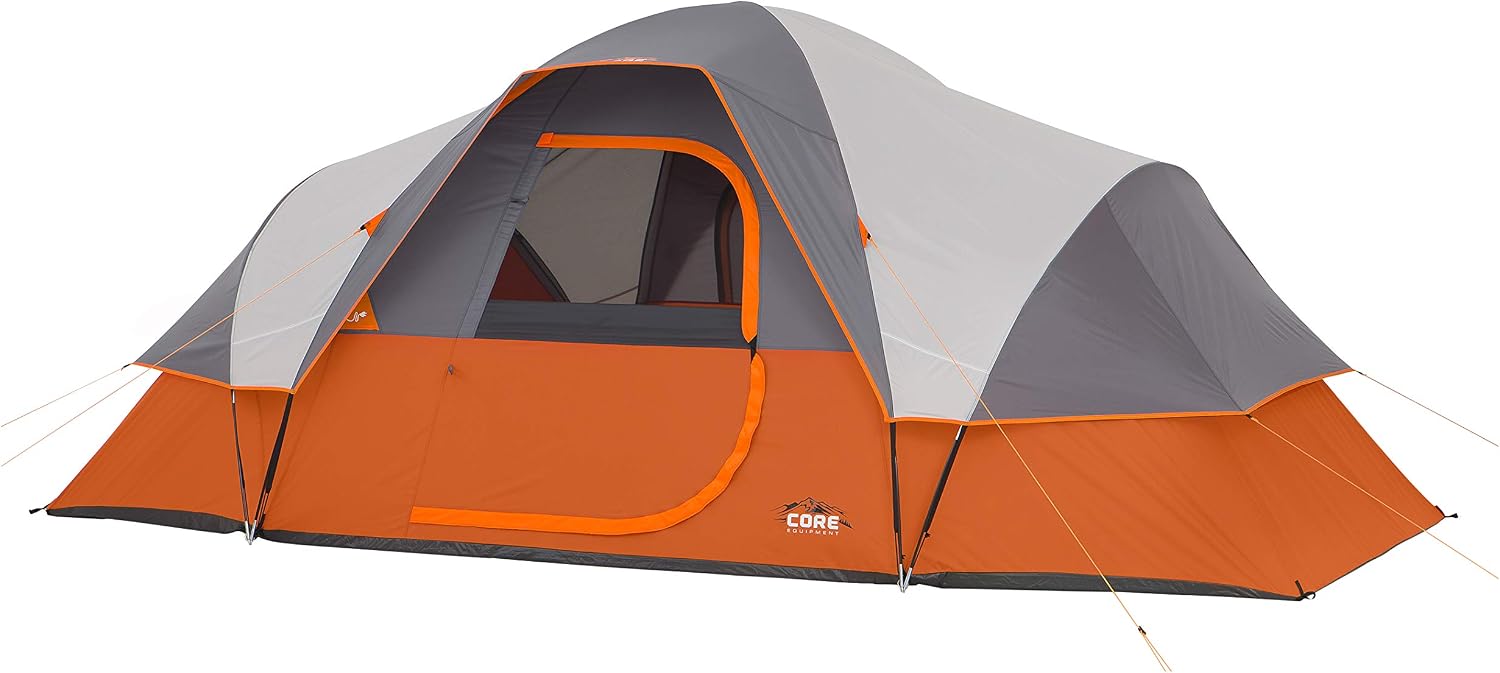
CORE Tent for Family Camping, Hiking and Backpacking
Dome shape with an included gear loft for outdoor accessories, and a name that covers family camping, hiking, and backpacking
The listing leans on backpacking language, so check the packed weight before you plan to carry it anywhere
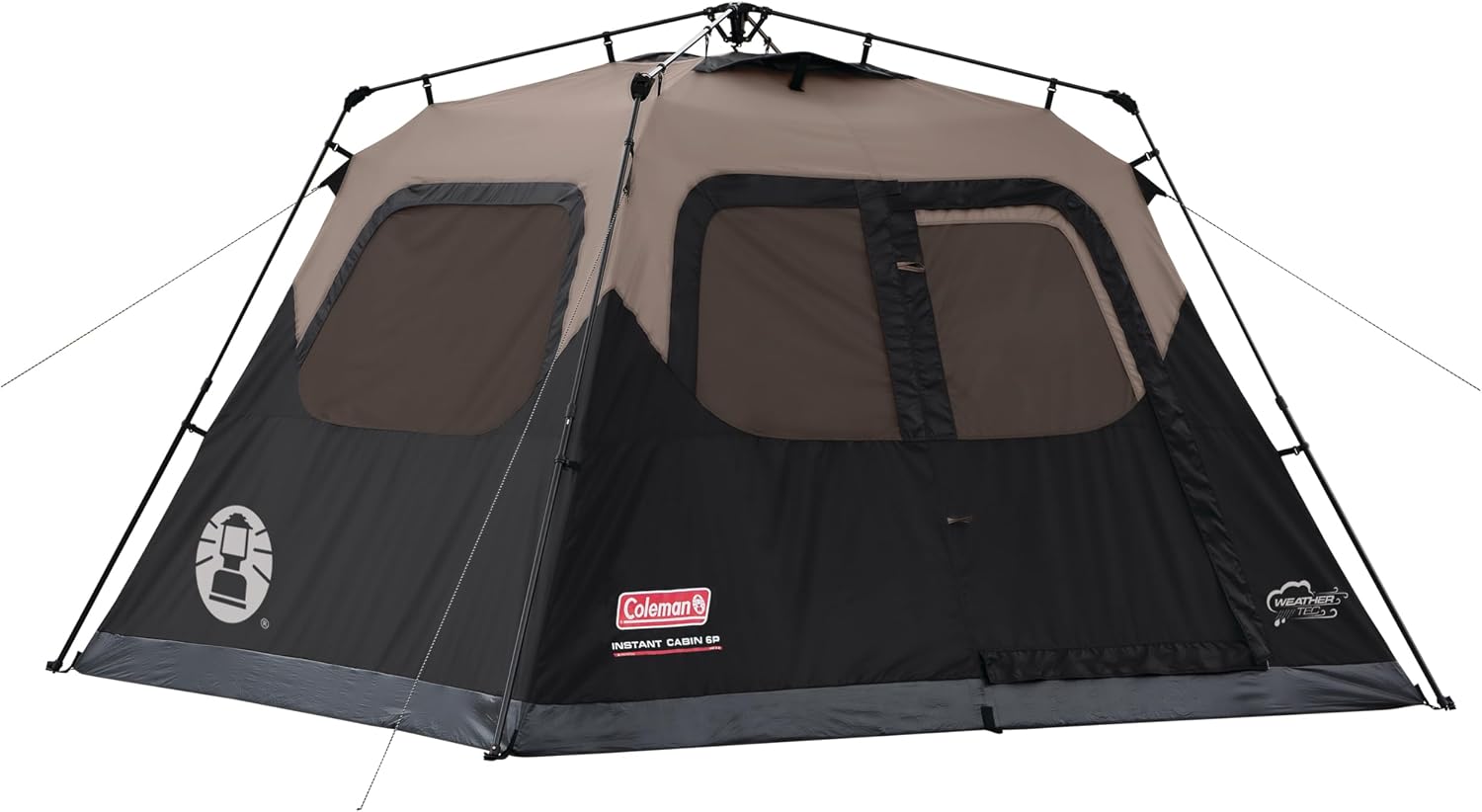
Coleman 4/6/8/10 Person Instant Camping Tent with 1-Minute Setup
The fastest setup claim on this list, and it comes in 4, 6, 8, and 10 person sizes
This is a car camping shelter by design, so it is the wrong answer if you are carrying it any distance
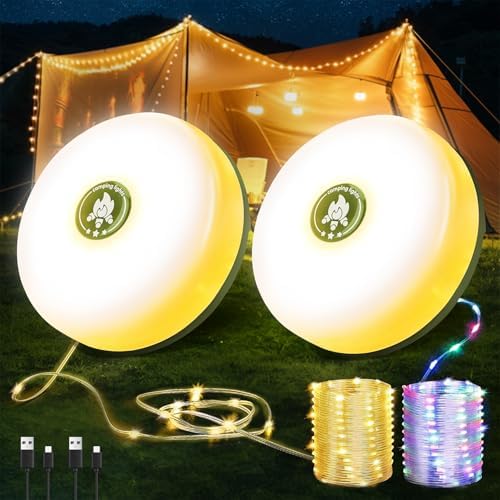
Camping String Lights, Camping Essentials Gear 32.8FT Lamp Lights Waterproof, 4 in 1 Outdoor String Lights with 8 Modes
32.8 feet of run, a 4 in 1 design, 8 modes, and waterproofing, for a tent, an awning, a yard, or a holiday gift
Not shelter. If you came here for a tent, treat this as the bonus item, not the answer
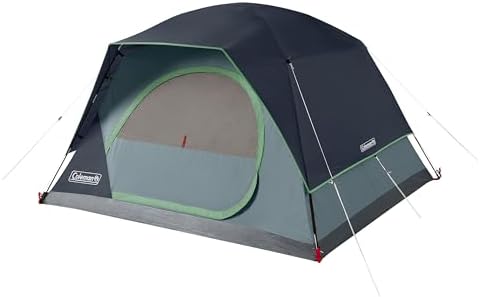
Coleman Skydome Camping Tent with 5 Minute Setup, Weatherproof Tent with Rainfly and Carry Bag
Five-minute setup, rainfly and carry bag included, 20% more headroom than traditional canopies, and sizes from 2 to 8 person
Five minutes is slower than the Instant tent when you are pitching in the rain, and that gap is the whole trade
Prices and availability were captured from Amazon Creators API and may change.
How I judge a tent before I trust it
Every tent has to answer three questions for me: will I actually carry it, does it survive a storm, and does it work at mile 12 on day 3? Car camping softens the third question into something like "does this still feel like a good idea on night four," but the first two never go away. Waterproofing is a promise that expires, and a tent that pitches from the inside is a tent I will resent every time the weather turns.
I have not logged a full season in every tent on this list, and I am not going to pretend otherwise. What I can do is read a spec sheet the way a ranger reads a weather forecast and tell you which of these four makes sense for which trip. My own rule for anything I call a recommendation is 15 nights in the field and one honest rain test. Until a tent clears that, it is a candidate, not a verdict.
Pitch time: the one-minute tent vs the five-minute tent
The Coleman Instant tent is named for the thing it does best. A one-minute setup claim is not marketing fluff in a vacuum, it is the difference between standing under a tarp while your shelter goes up and standing in your shelter while the sky opens. If you have ever arrived at a site at 10 p.m. with kids asleep in the car, you already know which side of that line you want to be on.
The Skydome asks for about five minutes. Four extra minutes sounds trivial until you are doing it in a downpour with a headlamp in your teeth. But here is the trade: the Instant tent buys you those four minutes with a frame that is built for the driveway-to-campsite life, and the Skydome puts its design budget somewhere else, specifically into headroom and a rainfly. A tent that takes 20 minutes to pitch is a tent you will sleep in the rain next to. Neither of these is that tent.
The Coleman Instant tent: built for the late arrival
Sizes run from 4 person up to 10 person, which tells you who this is for. A 10-person instant tent is a basecamp for a family reunion, not something you strap to a pack. The appeal is simple and it is real: you take it out of the bag, you pull it into shape, and you are done. If your camping involves a vehicle, a cooler, and a site you drive up to, this tent removes the single most annoying chore from the trip.
The criticism is equally simple. Instant frames are car camping shelters, and nothing about a 1-minute tent is a pack-and-carry tent. If you are hiking in, this is the wrong category entirely. If you are parking next to your site, it may be the best four minutes you ever buy.
The Coleman Skydome: headroom is the real feature
The Skydome's headline number is 20% more headroom than traditional canopies, and that is the spec I care about most in a car camping tent. Headroom is what lets you sit up on a rainy morning instead of lying flat and staring at the ceiling. It is what lets you change clothes without a wrestling match. It is the difference between a tent you tolerate and a tent you like.
It also comes with a rainfly and a carry bag, which matters more than it should. A rainfly is not optional equipment in the Pacific Northwest, it is the roof you actually rely on, and a tent that ships with one is a tent that was designed as a complete system. Setup runs about five minutes, and the size range covers 2, 4, 6, and 8 person configurations, so a couple and a family of six are both shopping the same model line.
The honest knock against it: five minutes is slower than one minute, and if your trips start in the dark more often than not, that gap will follow you around.
The CORE dome: the family tent with a gear loft
The CORE dome is the one on this list that comes with a gear loft, and anyone who has spent a night digging for a headlamp at the bottom of a tent knows why that is a real feature. A loft keeps the small stuff off the floor: glasses, a phone, a light, a book. It is a small design decision that changes how a tent lives.
The name on the listing covers family camping, hiking, and backpacking, and that last word is the one I would check hardest. A dome with a gear loft is a comfortable, roomy shape for a family site. That does not automatically make it a light shape for a backpack. Before you plan to carry it anywhere, look at the packed weight and do your own math against your base weight. If you are driving to the site, the broad marketing is a non-issue and the gear loft is a straight win.
The string lights: the item nobody puts on a spec sheet
Camp is better with light. That is not a gear-journal insight, it is just true. The problem with most camp lighting is that it lights one spot, and everyone crowds around it. This set runs 32.8 feet, which is enough to work with around a picnic table, along an awning, or through a tent, and the 4 in 1 design with 8 modes means you are not locked into a single look.
It is also waterproof, which is the spec that decides whether a light set survives a weekend or becomes trash by Sunday. Beyond camping, this is the rare piece of gear that earns its place at home: a yard, a patio, a holiday setup, a gift. If you are assembling a first camping kit and you have a tent and a sleeping bag already, this is the upgrade that makes a site feel established instead of improvised.
Setup time, headroom, and the family math
Here is how the trade-offs actually stack up when you are standing at a campsite.
If arrival time is your bottleneck, the Instant tent wins outright. Nothing else here sets up in a minute, and in bad weather that minute is worth more than any other feature on the list. If comfort inside the tent is your bottleneck, the Skydome wins, because headroom and an included rainfly are the two things you feel every single night. If you want a straightforward family dome with a gear loft and you are driving in, the CORE is the clean pick. And if you want the cheapest way to make a campsite feel like a campsite, the lights do that better than a tent upgrade does.
Notice what I am not doing here: recommending all four. A comparison that ends with "buy everything" is not a comparison, it is a shopping list. Most people need one shelter and one lighting solution, and the other two tents on this list are for a different kind of trip.
Waterproofing: the promise that expires
Factory seam sealing fails. That is the part of tent ownership nobody advertises, and it is why I care more about whether a tent includes a rainfly than about any waterproof rating printed on a box. The Skydome listing calls out the rainfly and carry bag explicitly, which is a good sign that the tent was designed as a complete weather system. For the CORE dome and the Instant tent, read the listing carefully to see exactly what is included before you commit, because a rainfly sold separately is a cost you discover in the rain.
The rain test I run on any tent I keep has two parts: a sustained spray on the fly and seams for 20 minutes, then a check of the floor and corners after the water has had time to pool. Seams that wick are the failure mode I find most often, and they show up on night two, not night one. If you buy any of these, pitch it in the yard first, in the rain, before you trust it on a trip. That single test has saved me more miserable nights than any piece of gear.
Which one I would buy
For a couple or a family who drives to the site, the Coleman Skydome is the pick. Five-minute setup, real headroom, a rainfly, and a carry bag is a complete answer to car camping, and headroom is the feature you notice on every single trip. For the household that shows up after dark, the Coleman Instant tent trades a little interior comfort for the fastest pitch here, and if that is your reality, take the trade. For a family that wants a simple dome with a gear loft, the CORE does that job, with the caveat that you should verify the packed weight before you believe the backpacking language. And add the string lights to whichever tent you choose, because a lit camp is a better camp.
What I am testing next
My current project is 2026 two-person backpacking tents: four units, a 30-day field trial each, and a rain test that would make most manufacturers nervous. The question I am chasing is the one that decides every trip I plan, which is whether a tent survives a storm and still feels worth carrying at mile 12 on day 3. The car camping shelters in this comparison answer a different question, and they answer it well: how do you make a site comfortable when the vehicle is doing the work. Pick the one that matches your actual trips, not the one with the best spec sheet, and pitch it in the rain once before you trust it.