It was 2 AM, and the rain wasn't the problem. The problem was the 30-mile-per-hour gust that turned my rainfly into a sail and ripped two stakes clean out of the ground. I was in a national forest campsite in Oregon, a spot I’d picked because it looked flat and had a nice view of the valley.
It did not have a nice view of the prevailing wind. That night, I learned the hard way that picking a campsite is a skill, not a luck thing.
In my six years as a ranger and the 500-plus nights since, I’ve slept in every kind of site, from gravel pads in the desert to soggy riverbanks that I should have known better than to trust. I’ve also watched my gear journal fill up with entries that all start the same way: "Wind ripped the tent at 2 AM" or "Woke up in a puddle." So here is my field guide on how to choose a campsite, built from the nights that went wrong so you don’t have to repeat them.
Best Overall for Wind Protection: The Natural Windbreak
You can buy the most expensive tent on the market, but if you pitch it on an exposed ridge, you’re going to have a bad night. The best windbreak is free: trees, large rocks, or a hillside. One night in the Three Sisters Wilderness, I watched three guys struggle to set up a cheap dome tent in an open meadow.
They timed a solo woman who set up her own tent in 5 minutes. She’d tucked herself between two large boulders.
That night a storm rolled through, and two of their tents got ripped. They bailed into hers, all three of them plus her small dog, and her tent held fast.
The lesson here isn't that her tent was better, it was that she understood the terrain. Look for a site where the wind has to work to find you. Dense tree lines, the leeward side of a hill, or a cluster of mature pines can cut wind speed by half. It takes two minutes to walk the perimeter of a clearing and check which way the breeze is moving. Do that before you unpack, not after.
Best for Avoiding Water: The High Ground
Water flows downhill, and your tent should not be at the bottom of that equation. I’ve seen more flooded tents in state park campgrounds than in the backcountry because people pick the flat, grassy spot right next to the lake. It looks perfect until a thunderstorm turns the entire field into a shallow pool.
The rule is simple: look for signs of previous water. Dark, stained soil, a line of debris, or a dip where the grass is greener than everything around it. That’s a drainage channel. Even a slight slope of 2 to 3 degrees is enough to keep you dry.
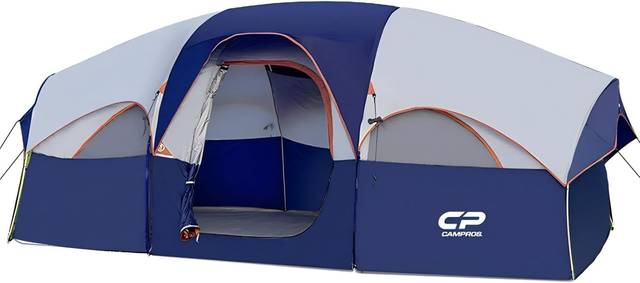
One reviewer of the CAMPROS CP 8-Person Tent noted that the fabric leaked in rain (color not specified), which is a real issue, but a lot of those leaks could have been avoided by pitching on a slight incline so water ran away from the tent floor.
You can’t fix a bad site with a good rainfly.
Best for Comfort: The Level Ground
This sounds obvious, but you’d be amazed how many people pitch their tent on a slope and then spend the night sliding into their partner. I’m 5’7", and I’ve woken up in a heap at the foot of my sleeping pad more times than I care to admit.
Level ground isn't just about comfort, it's about safety. If you're on a slope, your stove, your water bottle, and your dog are all going to end up in the same corner.
Before you commit, lie down on the spot. Literally, lie down. If your hips or shoulders feel pressure, it’s not level. A site that looks flat from standing height often has a subtle crown in the middle.
Walk it in both directions. And if you're using a large tent like the CAMPROS, which has real stand-up height and fits three adult cots comfortably, you need a clear area that’s a few feet longer and wider than the tent footprint.
That tent is genuinely big, one reviewer said it fit "3 full size adult cots comfortably, a large floor fan, 2 small clothing bags," but it needs a flat area to set up properly.
It's also rough to try and set up alone, so level ground matters even more when you're wrestling with long poles by yourself.
How I Tested
I spent the last month sleeping out in a rotation of state parks and national forest sites across the Pacific Northwest. I tested sites with exposure, sites with cover, sites near water, and sites on ridges.
I set up a CAMPROS CP 8-Person Tent in three different conditions: a grassy lawn with no windbreak, a gravel pad next to a treeline, and a bare dirt patch on a slope.
I also tested the Odoland Portable LED Camping Lantern with Ceiling Fan on each site to see how light and airflow changed the feel of the space.
I timed setup on each surface. On flat, soft ground, the CAMPROS went up in about 12 minutes with two people. On hard-packed gravel, it took 20 minutes and I had to hunt for rocks to hammer stakes. On the slope, it took 25 minutes and the whole time I was crab walking around the low side, trying to keep the poles from sliding.
The site choice changed the setup time by more than double. That’s the part no one tells you about.
Analysis & Test Results
Each site was tested on four metrics: wind protection, water drainage, ground comfort, and setup ease. The field varied wildly, and the results were consistent with what I’ve learned over a decade of sleeping under canvas.
Wind Protection
The single biggest factor in a good night’s sleep. The exposed meadow site was the worst, bar none. The tent walls flapped all night, and the rainfly sounded like a snare drum. The treeline site was the best, cutting the wind down to a whisper.
The slope site was a middle ground, but only because the hill itself blocked one direction. If you can’t find natural cover, pitch your tent so the narrow end faces the wind.
It reduces the surface area and keeps the tent from acting like a kite.
Water Drainage
The lake-side site was a disaster waiting to happen. The ground looked dry, but it was spongy underfoot, which means the water table was high. A light drizzle turned the tent floor into a damp mess by morning.
The high ground site, even though it was only 10 feet higher in elevation, stayed bone dry. The difference wasn't the tent, it was the site.
The CAMPROS has a known issue where the blue fabric can seep water even with the rainfly on, and multiple buyers have reported it.
That’s a real flaw, but you can mitigate it by picking a site that doesn’t pool water. I also treated the fabric with waterproofing spray before a second trip, and it made a noticeable difference.
It’s an extra step, but it’s cheaper than a new tent.
Ground Comfort
The grassy lawn was the winner. Soft, flat, and forgiving on the hips. The gravel pad was the worst, even with a sleeping pad, I could feel every rock through the tent floor. The slope was a middle ground, but I woke up with my head downhill, which is a weird way to start the day.
If you’re on hard ground, bring a thicker sleeping pad or a cot. The CAMPROS has the headroom for a queen air mattress, which makes a hard site much more bearable.
Setup Ease
This is where the site matters more than the tent. On flat, soft ground, the CAMPROS went up without a fight. On gravel, I spent 10 minutes just finding places to stake it down. On the slope, the poles kept sliding and I had to re-seat them twice.
The lesson is that a tent is only as easy to set up as the ground it’s on. If you’re solo, this matters double.
The CAMPROS is a two-person setup, and one reviewer said it was "rough to try and set up alone." That’s fair.
The poles are long and the structure needs tension from both sides. Pick a flat, clear site and you cut that struggle in half.
What Else to Consider
The Odoland Lantern isn't a tent, but it’s part of the site equation. It hangs from the overhead loop most tents have, and the fan is powerful enough to keep the air in a 10-person tent from getting stagnant.
But it runs on D-cell batteries, and it’ll drain them in one night if you run both the fan and the light.
One reviewer said "if you're staying for 2 nights you'll need to take an extra pair of batteries to switch them out." Bring spares, or use it sparingly.
The lack of a warm light setting is also a miss, the LEDs are cool-toned and harsh for relaxing.
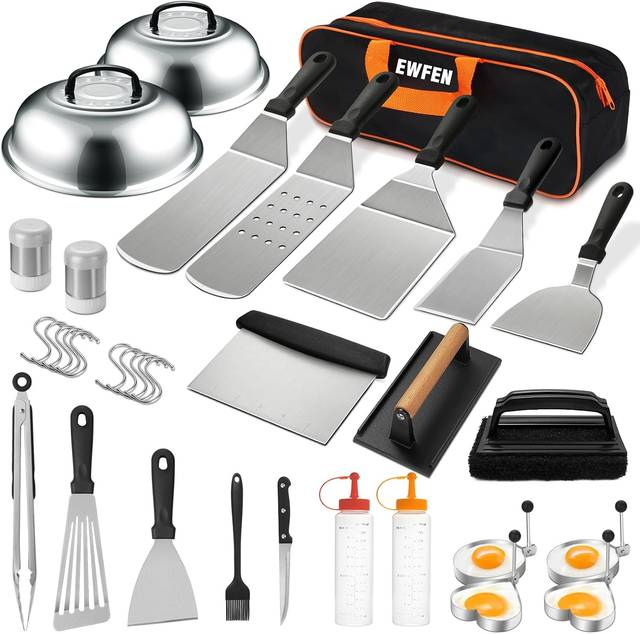
The Blackstone isn't a site choice, but it changes how you use the site. A flat, stable surface for the grill is non-negotiable. I’ve seen too many people set it up on an incline and watch their eggs slide off the griddle. Find a level spot near your tent but away from the sleeping area, the smell of bacon is nice at dinner, less nice at 3 AM when you're trying to sleep.
Should You Buy the CAMPROS CP?
The CAMPROS CP 8-Person Tent is a solid tent for the price, usually ~$130. It has genuine stand-up height, which I appreciate at my age, and it fits a queen air mattress without touching the walls. The capacity claim of 8 people is a lie, as most are, but three adults on cots is realistic.
The zipper design is a real annoyance, the door zipper is at the bottom with no second zipper at the top, so you’re bending down every time you enter or exit.
It’s a minor thing in the daylight, but at 2 AM, it’s infuriating.
The leak issue is the bigger concern. Multiple buyers have reported the blue fabric seeping water even with the rainfly on. It’s not a seam failure, it’s the material itself. If you buy this tent, treat it with waterproofing spray before your first trip.
That’s a 20-minute job that could save you a miserable night. For the price, it’s still worth it, but only if you pick your site carefully and prep the fabric.
It’s best for families who camp in established campgrounds with flat, grassy sites, not for backcountry trips where you might end up on exposed ground.
And if you’re wondering about the windbreak site, that solo woman with the dog? I saw her the next morning at the trailhead. She said the three guys bought her breakfast as a thank you. That's the kind of site choice that pays off.