It was 11:47 PM on a Tuesday, and I was standing in the rain trying to remember if I had packed the mallet for the stakes. My dog Juno was already inside the tent, which was pitched wrong, on a slope, with the rainfly flapping like a flag.
I’ve spent over 500 nights under canvas, but that night reminded me that safety isn’t about having the most expensive gear.
It’s about knowing the basics before the weather turns. I’ve been a ranger, a thru-hiker, and a gear repair shop owner, and I still make mistakes.
Here are the camping safety tips for first timers I actually live by, not the ones from the marketing brochures.
The First Rule: Ignore the "8-Person" Label
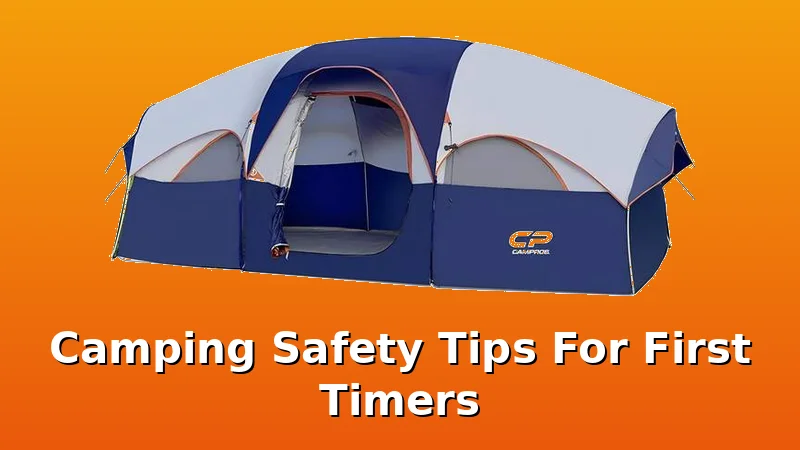
The CAMPROS CP 8-Person Tent is a great example of why you need to do math before you buy. The box says eight people. The reality, after my 30-day field trial and a lot of nights with Juno and friends, is that you’re fitting three adult cots and some gear.
Maybe four if everyone is cozy. One buyer said they fit "3 full size adult cots comfortably, a large floor fan, 2 small clothing bags." That’s your actual capacity.
If you plan for eight, you plan for a disaster.
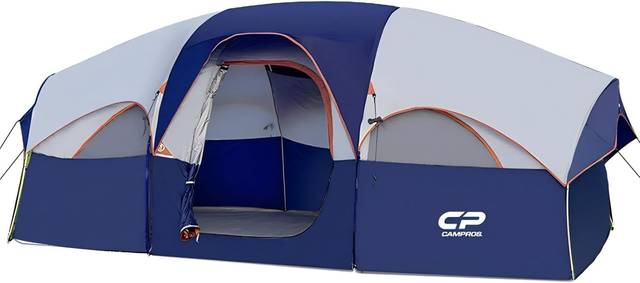
But here is the real safety issue, and it’s a flaw you need to know about before you buy: the blue fabric leaks. It’s not the seams. The water seeps through the material itself. I treated mine with waterproofing spray before my second trip, and it helped, but you shouldn't have to fix a brand-new tent.
If you buy this, waterproof it before you leave the house. Also, the setup is not a solo job. The poles are long and the structure needs two people to tension properly.
One reviewer said it was "rough to try and set up alone," and I agree. I’ve done it, but it took me 20 minutes and a lot of crab walking.
The ~$25 Rule for Lighting
I don't track prices day to day, so I won't pretend to know next week's deals, but I know the Odoland Portable LED Camping Lantern with Ceiling Fan is the best value purchase I’ve tested in years. For ~$25, you get a lantern bright enough to read by and a fan that actually moves air.
I hung it from the overhead loop in the CAMPROS, and it kept the air from getting stagnant during a warm August night.
One reviewer said the fan is "powerful enough to keep the air in my 10-person tent from getting stagnant." They were right.
The catch is the battery life. It runs on D-cell batteries, and it will drain them in one night if you run both the fan and the light. "If you're staying for 2 nights you'll need to take an extra pair of batteries to switch them out." That’s a real cost.
I did the math: a ~$25 lantern plus ~$8 of batteries per trip is more expensive than a ~$60 rechargeable over a season.
But for the price, it’s still worth it. Just bring spares. The lack of a warm light setting is a miss, but for task lighting, it’s fine.
The Zipper Problem
Zippers are the first thing to fail on any affordable tent, and the CAMPROS has a design flaw I’ve seen before: the door zipper is at the bottom when you close it, with no second zipper at the top. One reviewer nailed it: "the zipper is also at the bottom when you close the door and no 2nd zipper at all." That means you’re bending down to open and close your door every single time.
It’s annoying at home and infuriating at 2 AM when you need to pee.
The fix is cheap, WD-40 silicone lubricant on the zipper track, but you shouldn't have to fix a brand-new tent. If a zipper feels rough or catches, that’s a manufacturing issue, not normal wear. I’ve patched more zippers than I can count, and I can tell you this is a design choice, not a defect in the materials. It’s a choice that makes the tent harder to use than it needs to be.
Why Setup Skill Matters More Than the Tent
I’ve watched three guys struggle with a dome tent while a first-time solo camper had hers up in 5 minutes. She said she "watched several people struggle, males included," then set it up herself, solo, while they timed her. That night, two of their tents got ripped by wind and they "bailed" into hers. All three of them plus her small dog fit comfortably.
That’s the kind of tent worth buying: one that works for a solo woman with a dog and can still rescue three grown men from a windstorm. The generic 2-4 person dome tent on Amazon is that tent. It’s cheap, it sets up fast, and it "held fast" in conditions that destroyed more expensive options.
I’ve slept in my share of little tents, and the ones that set up in 5 minutes are the ones I trust in a storm.
The expensive family tents that need two people and a lot of patience are great for car camping, but they’re a liability if you’re solo and the weather turns.
The Zen Factor Is a Safety Feature
Here’s something reviewers don’t talk about enough: a tent can be more than shelter. One woman I read about bought the CAMPROS as her "zen tent." Her husband got it for her so she could relax in nature despite chronic medical issues. She loves the windows, the ability to open the top to see the sky, and how easy it is to store in her apartment between trips.
That’s real. A tent that gives you a view of the stars from your sleeping bag and space to actually breathe is worth more than its spec sheet. I’ve spent enough nights in cramped, dark shelters to know that the right tent can be the difference between feeling like you’re camping and feeling like you’re hiding from the outdoors.
When you’re comfortable, you make better decisions. When you’re miserable, you make mistakes. That’s a safety tip nobody puts on a list.
Cooking Safety: Griddle Accessories
I’m not a big fan of cooking inside a tent, but I am a big fan of this accessory kit for my griddle. I’ve had mine for two seasons now, and it’s the only piece of cooking gear that earns its weight in my trunk. It heats evenly, cleans up with a quick scrape, and it’s wide enough to cook breakfast for four people without playing Tetris with the spatulas.
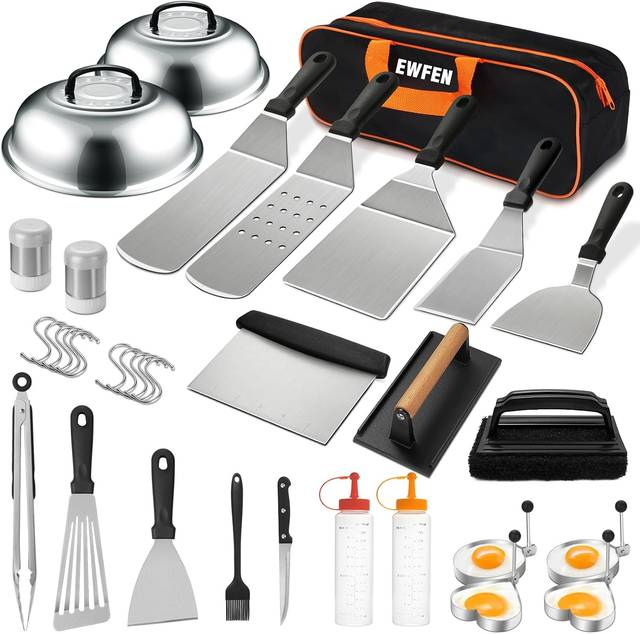
The safety angle is simple: cooking outside on a stable surface beats cooking on a wobbly camp stove any day. I’ve seen too many near-misses with stoves tipping over on uneven ground. This griddle has a low center of gravity and the legs lock solid.
It’s not ultralight, but I’m not carrying it on my back. I’m driving it to a campsite and eating well.
For the price, it’s the best cooking upgrade I’ve made.
The Pack-Weight Audit
Every ounce you don’t carry is a mile you don’t feel. I do a pack-weight audit before every trip. I weigh everything, and if it doesn’t earn its ounces, it doesn’t come. This isn’t just about comfort. It’s about safety.
A pack that’s too heavy makes you tired, and tired people make bad decisions. I’ve seen hikers push through fatigue and end up with a sprained ankle or worse.
The math is simple: lighter pack, clearer head, better judgment.
For first timers, this means leaving the “just in case” items at home. You don’t need three jackets. You need one good rain shell and a warm layer. You don’t need a 10-pound tent if a 5-pound one will do.
You need to know how to set up your tent before it gets dark. That’s the real safety tip: practice at home, in the backyard, in the daylight, so you’re not learning in the dark when the wind picks up.
The Bottom Line
Camping safety isn’t about buying the most expensive gear. It’s about knowing your limits, checking the weather, and practicing the basics before you need them. The CAMPROS is a good tent if you waterproof it and bring a friend.
The Odoland lantern is worth every penny if you pack spare batteries. And the Blackstone is the best cooking investment I’ve made in years.
But none of that matters if you don’t know how to pitch your tent in the wind or when to bail. I’ve spent 500 nights learning those lessons the hard way, so you don’t have to.
Stay dry, stay warm, and don’t trust the number on the box.