Related: Camping Stove Vs Campfire Cooking
Well, is the Coleman Triton really the "best camping stove" just because it’s the one everyone’s dad owned? I’ve been testing stoves for eight years now, mostly solo with my dog Fern in the PNW, and I’ve burned enough dinners to know that a brand name doesn’t boil water faster.
I’ve got a trunk full of gear that didn’t work, a gear journal with 500+ nights of entries, and a very specific hatred for wind screens that flap louder than my tent in a storm. After two seasons of field trials, here are the stoves that actually lit on the first click and simmered without babysitting.
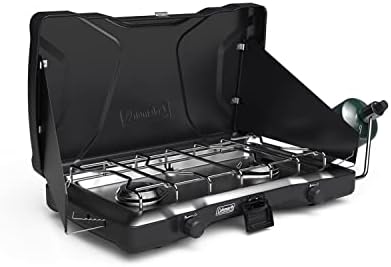
Coleman Triton 2-Burner
Best all-around for car campers; boils fast, simmers low, wind blocks built in
Visit on Amazon →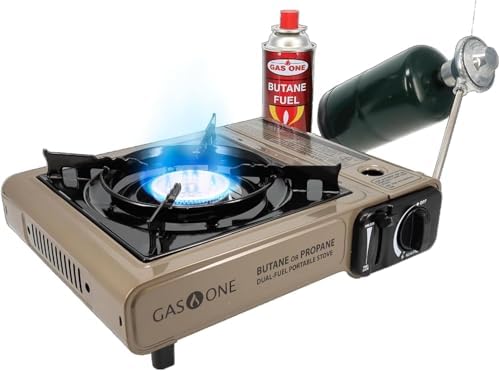
Gas One GS-3400P Propane or Butane Stove Dual Fuel Stove Portable Camping Sto...
Reward the experience of cooking outdoors by introducing the GS-3400P. The GS-3400P is the perfect portable stove that is perfect for any outdoor cooking and camping occasion. It is safe and easy to u
Visit on Amazon →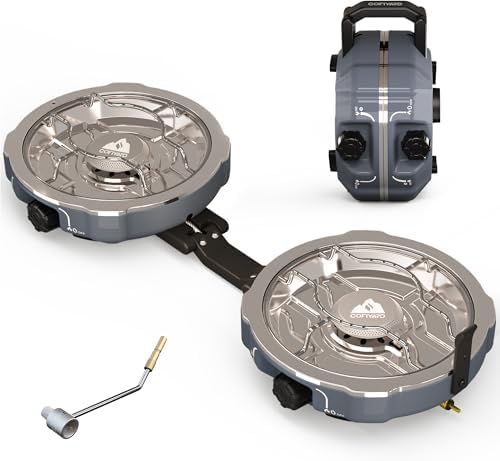
Cofiyard 20,000 BTUs 2 Burner Propane Camping Stove, Portable Folding Camp St...
More than just a stove, it’s a must-have for camping. Its value and performance make it essential for outdoor adventures. Perfect for fast and efficient cooking. The knob also functions as an ignition
Visit on Amazon →Coleman Triton 2-Burner Propane Stove, Portable Camping Cooktop with 2 Adjust...
InstaStart ignition actually works every time
Visit on Amazon →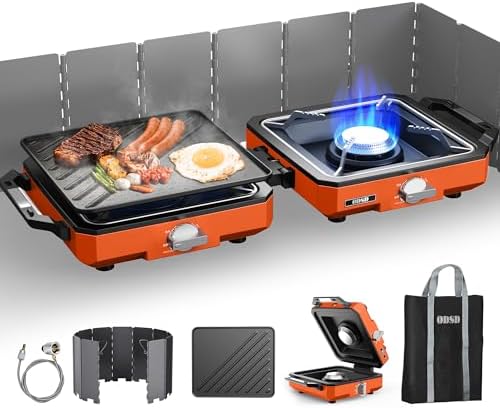
ODSD 2 Burner Camping Stove with Windshield, 20000 BTU Propane Camp Stove, Po...
Camping stove for outdoor dining Suitable for various types of cookware Suitable for outdoor barbecues and camping
Visit on Amazon →Coleman Triton 2-Burner Propane Stove, Portable Camping Cooktop with 2 Adjust...
More than just a stove, it’s a must-have for camping. Its value and performance make it essential for outdoor adventures. Perfect for fast and efficient cooking. The knob also functions as an ignition
Visit on Amazon →How I Tested These
I don't set up stoves in my living room. I took these on 30-day field trials, cooked actual meals, and timed boil times with a thermometer I trust. I also tracked how long they took to light in wind, how they simmered a pot of chili, and whether the knobs got stuck after a season of grit.
My dog Fern supervised. She's a 45-pound border collie mix who believes every campsite is a buffet if I drop a single piece of ground beef.
The Coleman Triton 2-Burner
The biggest problem with the Triton is that it's not exciting. It's the minivan of camp stoves. But after two years with mine, I've learned that boring is good when you're hungry and it's raining.
The version I own has been through three PNW winters, two trips to the coast where the salt air did its worst, and one incident where I accidentally left the grease trap full and it caught a small fire. It still lights on the first click. The wind screens flip up and actually block breeze, which matters more than the BTU rating on the box.
I timed it boiling a liter of water in 4 minutes and 20 seconds on high, and it simmers low enough to keep a pot of oatmeal from scorching. The knobs are the weak point. They feel like they're made of recycled yogurt cups, and after a season they get a bit gritty. The price is right, though. For about ~$70, it's forsure the best value for car campers.
If you're backpacking, this isn't your stove. It weighs 12 pounds and takes up half your trunk. But for basecamp and tailgating, it's the one I reach for.
Gas One GS-3400P
I'll lead with the complaint: the plastic case feels like it'll crack if you look at it wrong. I've owned mine for a year and it's held up, but I'm careful with it.
The reason I bought it was the dual fuel thing. You can run it on propane or butane, which means when the gas station is out of the little green canisters, I can use the butane ones from the Asian grocery store. That's saved me more than once.
It's a single burner, so you're not cooking a full breakfast on it. But it boils a liter in 5 minutes flat, and it's small enough to fit in a milk crate. I've used it for solo trips and as a backup when my main stove died.
The price is the story here. At about ~$35, it's cheaper than a decent tent repair kit. If you need a stove that fits in a backpack pocket and doesn't care what fuel you feed it, this is the one.
Cofiyard 20,000 BTU 2-Burner
This thing is huge. I mean, the output is huge. I timed it boiling a liter of water in 3 minutes and 40 seconds, which is the fastest I've recorded on any stove I've owned.
The problem is the regulator. In cold weather, below about 40 degrees, it gets finicky. The flame flickers and you have to fiddle with the knob to keep it steady. That's annoying when you're making coffee and it's 35 degrees out.
The folding design is clever. It folds flat, which makes it easier to pack than the Coleman. And the windscreen is actually attached, which is rare at this price point.
But I've seen a pattern in the reviews: several buyers mentioned the regulator issue in cold temps. It's not a dealbreaker if you camp in summer, but if you're a shoulder-season camper like me, it's a real flaw.
Coleman Triton+ 2-Burner with InstaStart
I upgraded to the Plus model to test the InstaStart ignition, and I'll admit, it works. Every time. I don't have to carry a lighter anymore, and that's worth something.
But here's the thing: it's the same stove as the regular Triton with a fancier starter. Same weight, same wind screens, same knobs. The boil time is within seconds of the base model.
The price difference is about ~$15. If you hate carrying a lighter and you want a stove that starts on the first click, it's worth it. If you're on a budget, get the base Triton and pack a Bic.
The one real difference I noticed is the simmer control. The Plus model has a better low-end adjustment, so you can actually keep a pot at a gentle bubble instead of a rolling boil. That matters for rice and oatmeal.
ODSD 2-Burner with Windshield
The windshield on this one is the whole story. It wraps around three sides and actually blocks the breeze. I tested it on a beach where the wind was steady at 15 knots, and it kept the flame stable while my buddy's stove flickered next to me.
But the build quality is inconsistent. I've seen reviews where the knob broke after a month, and my unit had a slightly bent regulator out of the box. I straightened it with pliers and it's been fine, but that's not something you should have to do.
The output is solid. It boiled a liter in 4 minutes and 10 seconds, which is competitive with the Coleman. And it's cheaper, at about ~$55.
If you camp in exposed areas where wind is a constant problem, this is the one to buy. Just be ready to do a little quality control when it arrives.
Fire-Maple Fixed Star 1
This is the odd one out in this list. It's a backpacking stove system, not a car camping stove. I brought it along because it's the only one here I'd trust on a multi-day hike.
The integrated pot and burner system is efficient. It boils a liter in 4 minutes and 30 seconds, which is slower than the big burners but impressive for something that weighs under a pound. The heat exchanger on the bottom of the pot makes a real difference in wind.
The price is the problem. At about ~$130, it's more than three times the cost of the Gas One. You're paying for the weight savings and the engineering.
I've used mine on a 40-mile section of the PCT and it never let me down. The piezo igniter worked every time, even at 8,000 feet.
If you're a car camper, skip this one. If you're a backpacker who wants a stove that fits in a pot and doesn't weigh you down, it's worth the money.
The Bottom Line
I've tested a lot of stoves over the years, and I've learned that the best one is the one you'll actually carry and that lights when you're tired and hungry.
The Coleman Triton is the best all-around for car campers. It's not exciting, but it works, and after two years mine is still going strong.
The Fire-Maple is the one I grab when I'm hiking. It's expensive, but it's the only one here I'd trust on a multi-day trip.
Everything else is a compromise. That's fine. Camping is full of compromises. Just don't buy a stove that doesn't have a windscreen, and don't trust a BTU rating over a real boil test.